Peace Direct’s new podcast: What is a decolonised partnership?
In 2024, Peace Direct released a podcast exploring how to build decolonial partnerships in international cooperation.


In 2024, Peace Direct released a podcast exploring how to build decolonial partnerships in international cooperation.
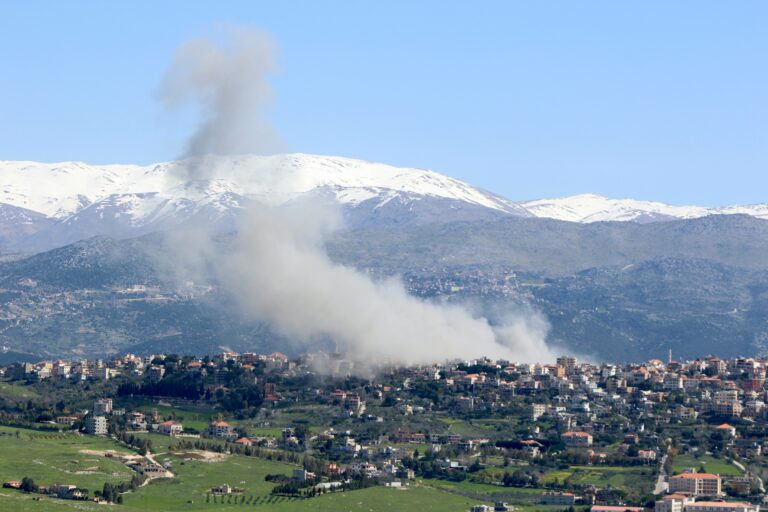
A war does not end with the mere silence of guns. We Lebanese know that from experience. The infamous civil war didn’t have a solid closure because it disregarded accountability, truth and reconciliation, as well as the pursuit of justice. The brutal September 2024 Israeli war on Lebanon stopped with a fragile ceasefire that ignores the Lebanese need for restorative justice.
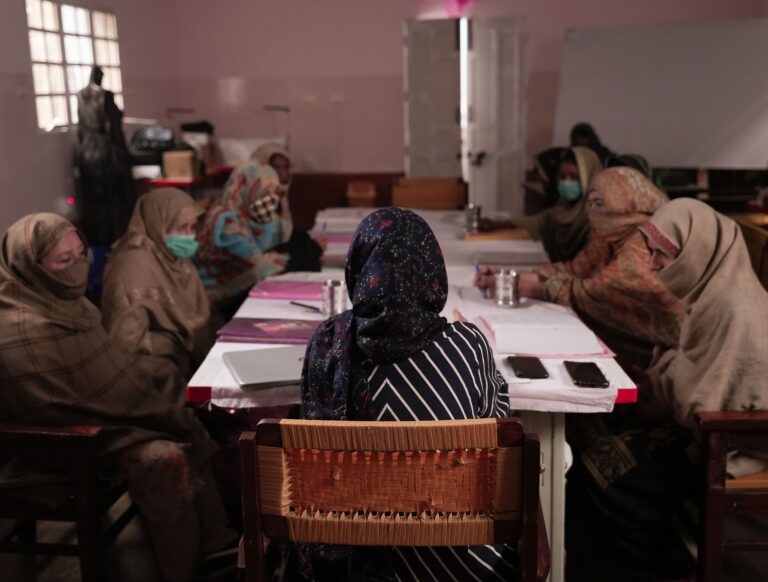
Maha Usman and Mariyum Areeb Amjad, local peacebuilders in Pakistan, share their experience using the Everyday Peace Indicators approach to more impactful community-embedded initiatives and MEL.

Dr Prince Charles Dickson, member of the Local MEL Reference Group, reflects on key takeaways on decolonial MEL from a recent gathering of local peacebuilders.
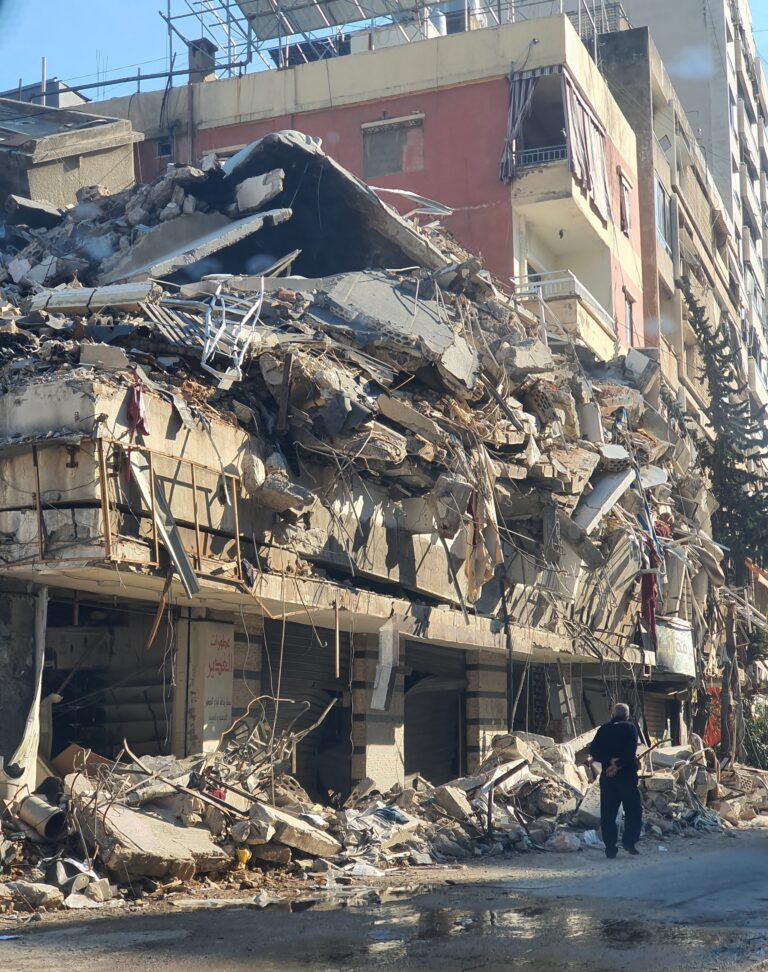
Sawssan Abou-Zahr, Peace Insight’s correspondent in Lebanon, provides a glimpse into the reality of life during Israel’s strikes and invasion, and spotlights local peacebuilding efforts.
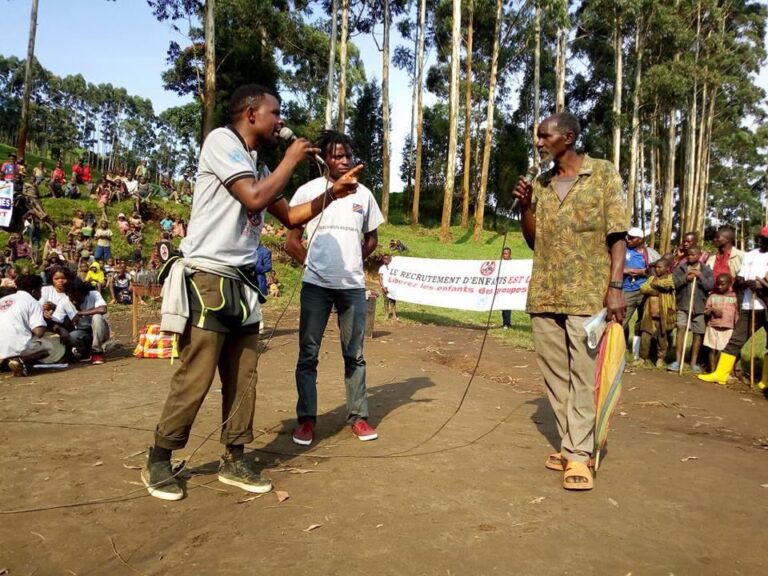
As the war continues to ravage eastern Democratic Republic of Congo (DRC), hope is emerging amidst years of conflict and violence.
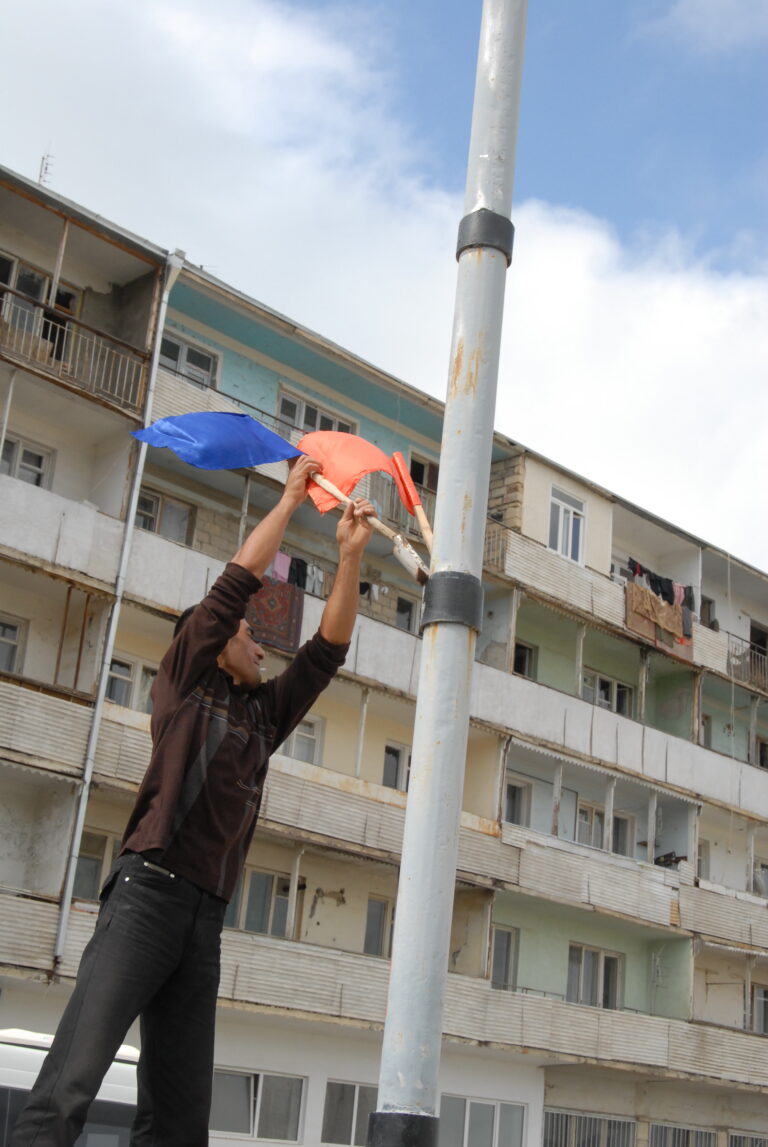
Looking back at the events of September 2023 in Nagorno-Karabakh, the article focuses on the reaction of peace initiatives in the region, especially in the warring sides, Armenia and Azerbaijan. While the voices of peace are heard from time to time in the region, the local initiatives cannot be considered successful in their mission, as they failed to speak out for peace at the most crucial moments for various reasons. This article focuses on the lessons that peace activists have learned from the events of the past four years and their responses, or lack thereof. Individual peace activists from Armenia and Azerbaijan share their ideas on what could have been done differently from their side to make a little more difference, or, if they believe, what makes Armenian-Azerbaijani peacebuilding a successful one.
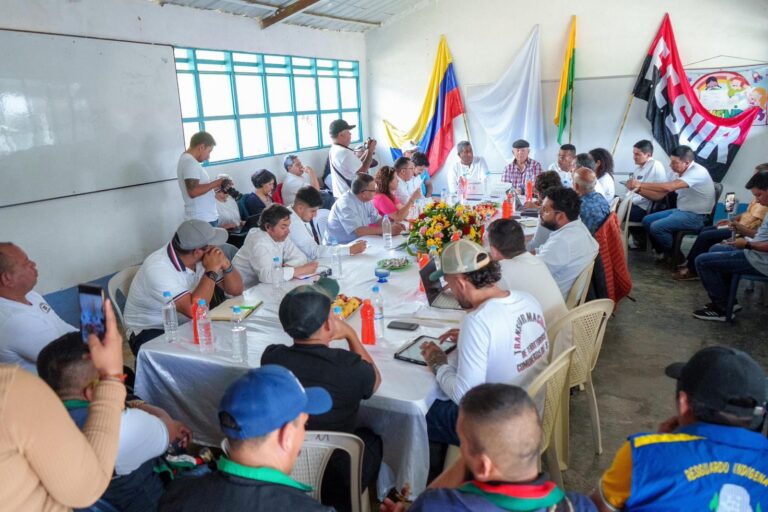
The favourable political context in Nariño offers local peacebuilders an unprecedented opportunity to make significant contributions to territorial peace from the grassroots. Our organisation, Rodeemos el Diálogo (ReD, Embrace Dialogue), can help bring this vision to life.
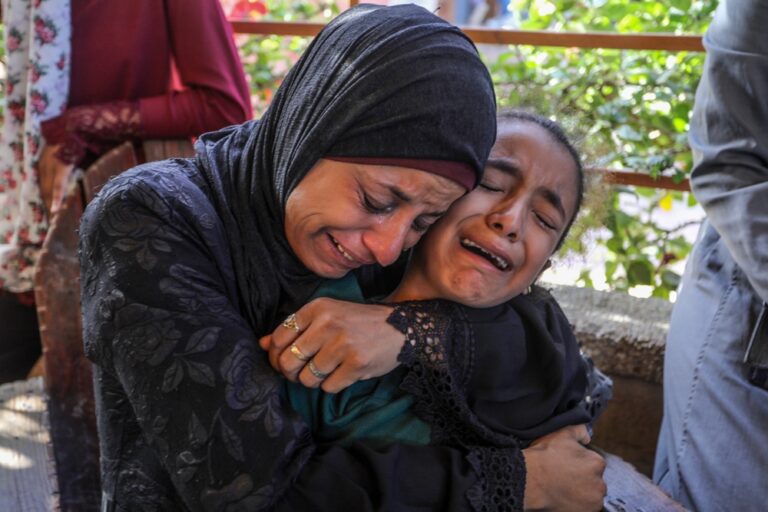
Losing loved ones, becoming internally displaced and enduring the daily hardships of Israeli dehumanisation, Palestinian peacebuilders share the suffering of their population who are being deliberately killed at an unprecedented rate.
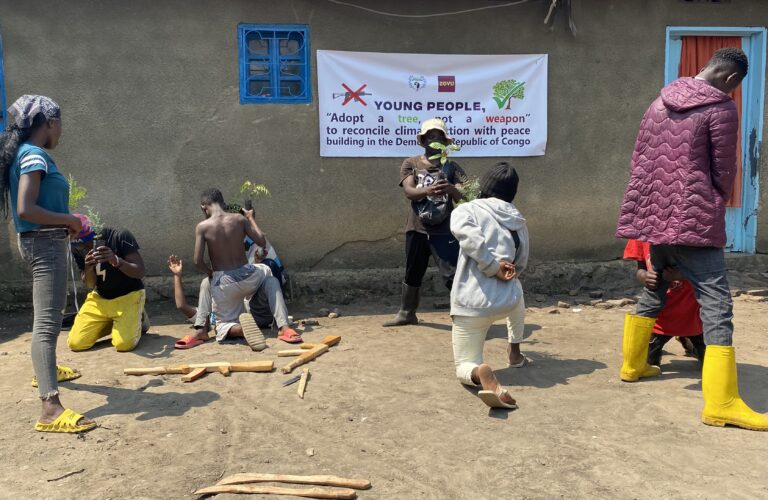
IntroductionIt has been almost 30 years since the Democratic Republic of Congo (DRC) was plunged into a deep and multifaceted crisis. The eastern part of the country where I live is particularly affected by the increased presence of local and foreign armed groups. More than a hundred of these groups are reportedly operating in the region. Here, armed violence has often led to illegal mining and unregulated logging in ecologically sensitive and protected areas like Virunga Park, located in the North Kivu province of Eastern DRC. Beyond the fact that these armed militias recruit children and young people to commit violence, they also degrade the local environment, which allows them to continue financing the hostilities they carry out.
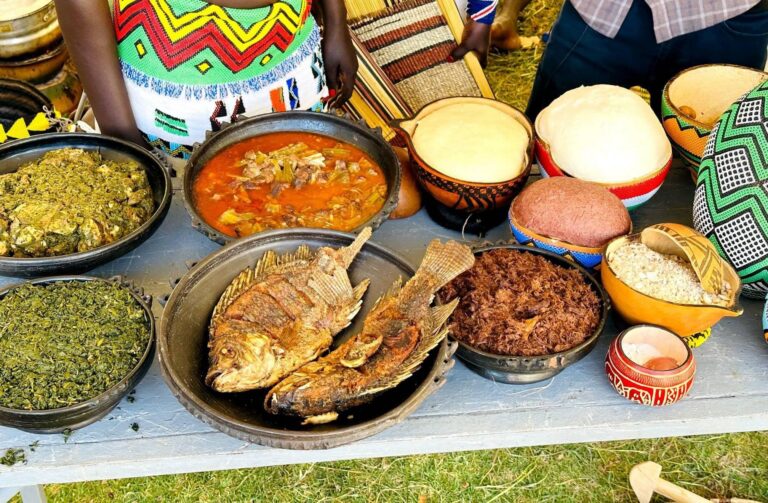
Located in Southwest Ethiopia, Gambella is a region with multiple layers of conflicts, including the protracted Anywa-Nuer conflict. Competition over resources such as water and land have been a major cause of conflicts between the two communities: the Nuer, traditionally pastoralists and the Anywa, traditionally farmers.But with introduction of ethnic federalism in 1991 in Ethiopia and transformation of Gambella into a regional state, competition over resources was transformed into competition over dominance for the regional state politics. Moreover, the influx of South Sudanese refugees to Gambella since the outbreak of the second Sudanese civil war in 1983 has added fuel to an already burning fire in the region.
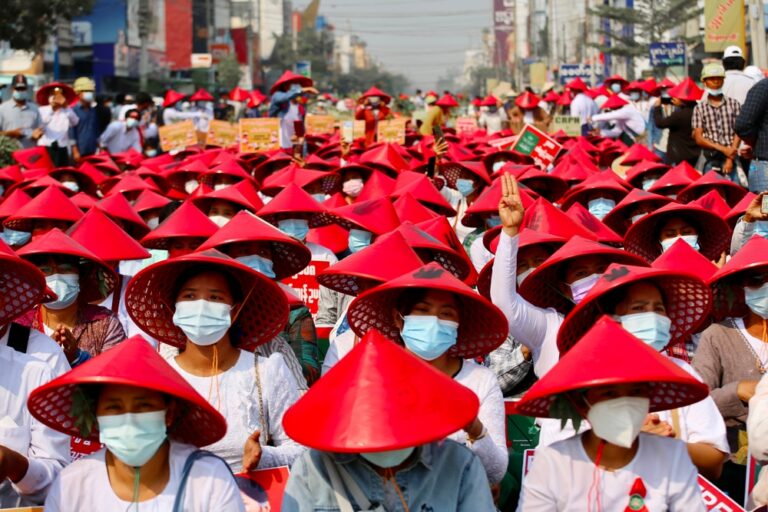
Minn Nhu explores the complicated question facing peacebuilders in Myanmar: is war the only way to end internal conflict, or does peaceful dialogue still hold hope?