Peace Media’s Digital Disconnect
Peacebuilders have long tried to bring peacebuilding out of the shadows and into the light, but it remains poorly seen and poorly understood. Why is that and what can they learn?

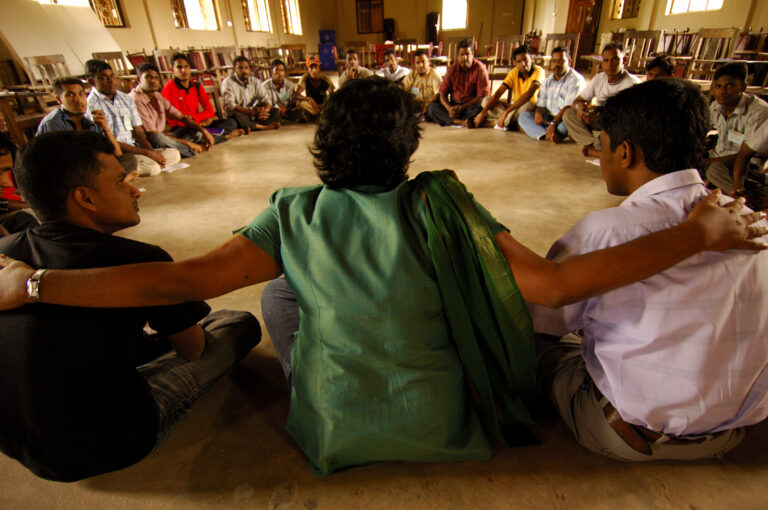
Peacebuilders have long tried to bring peacebuilding out of the shadows and into the light, but it remains poorly seen and poorly understood. Why is that and what can they learn?
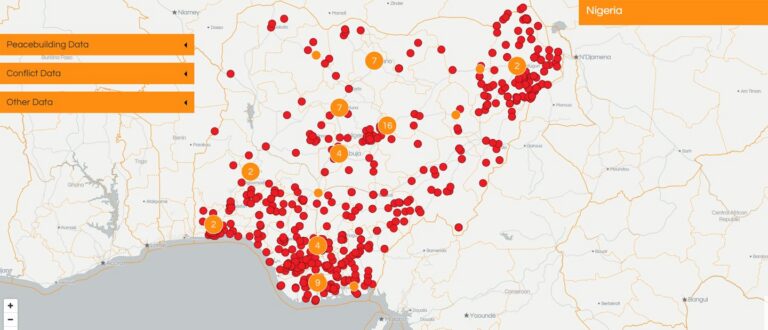
Today, Peace Insight launches a brand new tool and exciting feature: Peace Dispatch provides real time analysis on instances of violence as they happen. Peace Dispatch is a unique new feature, mapping live incidences of violence and peacebuilding initiatives. It brings together instances of violent outbreaks alongside instances of local peacebuilding, showing exactly what is being done to halt violence and build peace in the aftermath.
The death of Morgan Tsvangirai, Zimbabwe’s long-time opposition leader, has left Zimbabwean civil society in limbo – and his party now has to manage a precarious leadership transition ahead of landmark presidential elections.
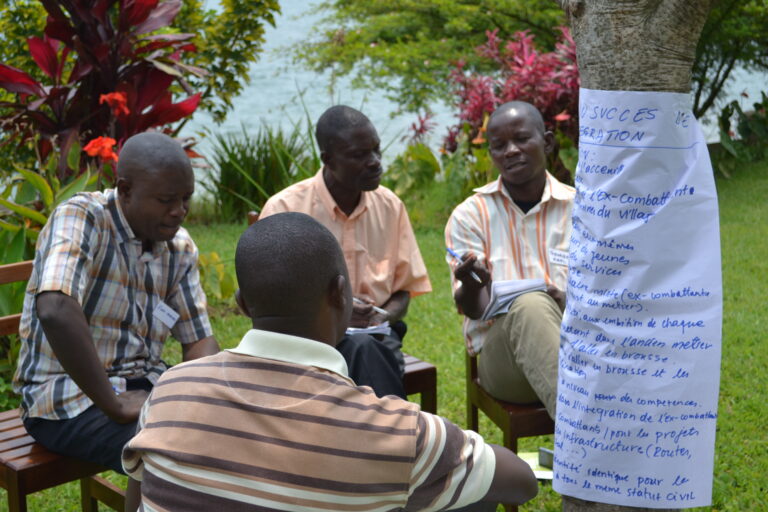
The fields of knowledge management and peacebuilding have a lot in common. Eva Steketee asks, what happens when we look at management as transformation, what can we learn about process, not just the outcome.
This month’s Peace Insight newsletter features articles on aid localisation, perceptions of UN peacekeeping, and more.

What lessons can forgiveness after Colombia’s 50-year war have for the USA? Ariel Safdie analyses the current context in the country, and encourages us all to play a part in building bridges and being peacebuilders in a world that appears to be increasingly divided.
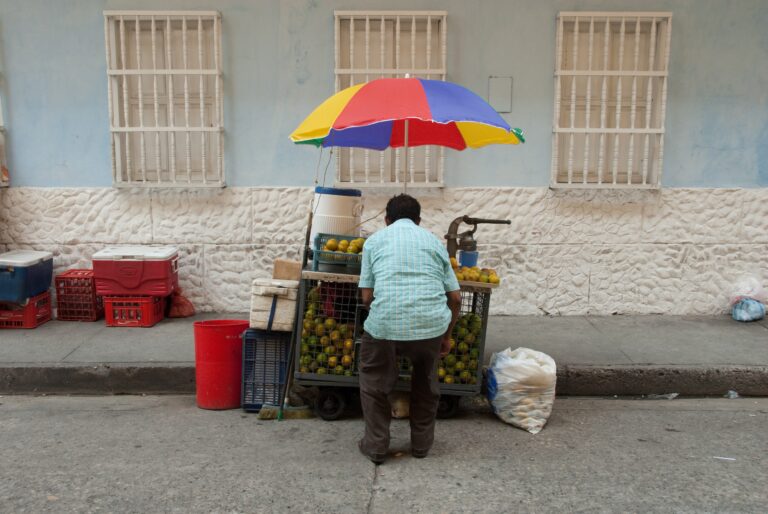
On 8 January, the United States terminated the Temporary Protected Status for El Salvadorans living in the country, affecting nearly 200,000 people. Hector Barrios assess the economic risks this poses for the country’s peace and stability.
International Refugee Rights Initiative (IRRI) published a new report about violence and displacement in the Kasai region of the Democratic Republic of Congo (DRC). It describes how attacks by a militia were followed by abusive military operations and mass killings by a pro-government militia, causing the death and displacement of hundreds of thousands.
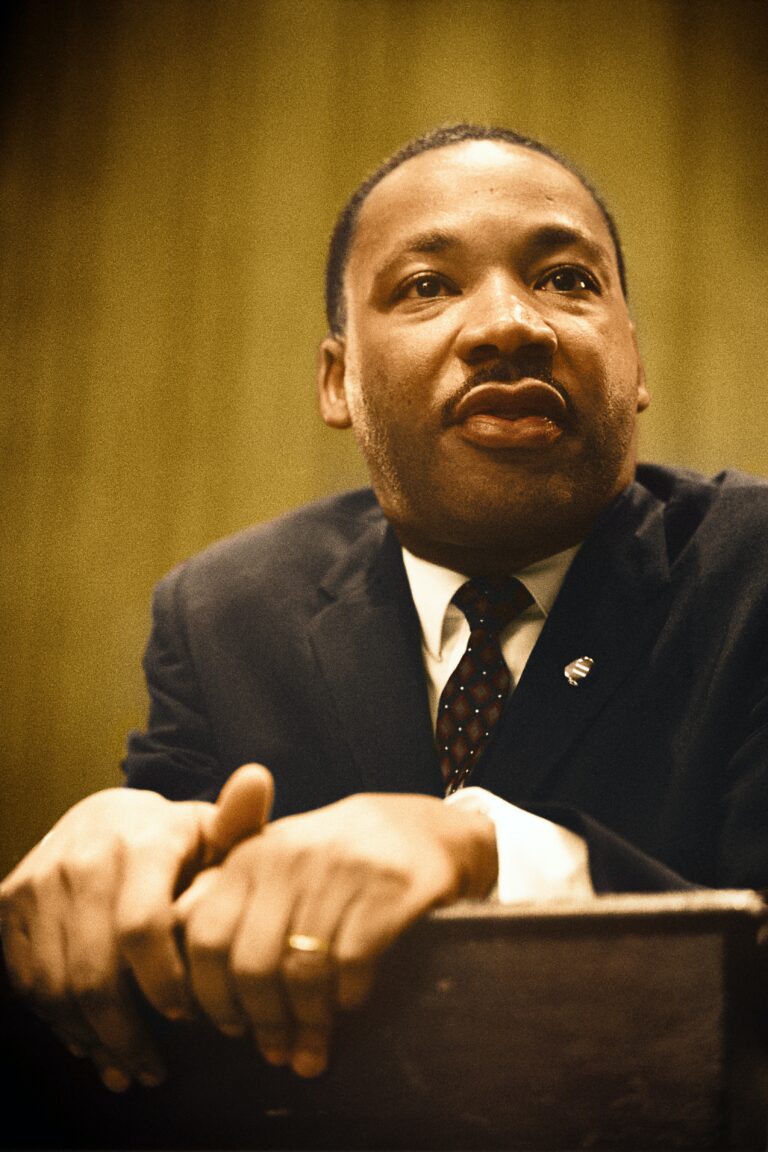
As we celebrate Martin Luther King Jr., Peace Direct and the Alliance for Peacebuilding are launching a new effort to support local peacebuilding in the US.
Social expectations about masculinity both shape and are shaped by conflict. A programme being run in Lebanon creates safe spaces where young men can think critically to challenge harmful ideas and redefine masculinity in order to create a more socially just and equal world.
A new round of dialogue and political engagement has been launched in Jammu and Kashmir. Despite some boycotts, a large number of stakeholders are involved. This process is taking place at a time of broader tensions in Kashmir Valley where an increasingly radicalised youth and active terrorism threatens to spiral the situation out of control. In this context, can an organic dialogue take root?
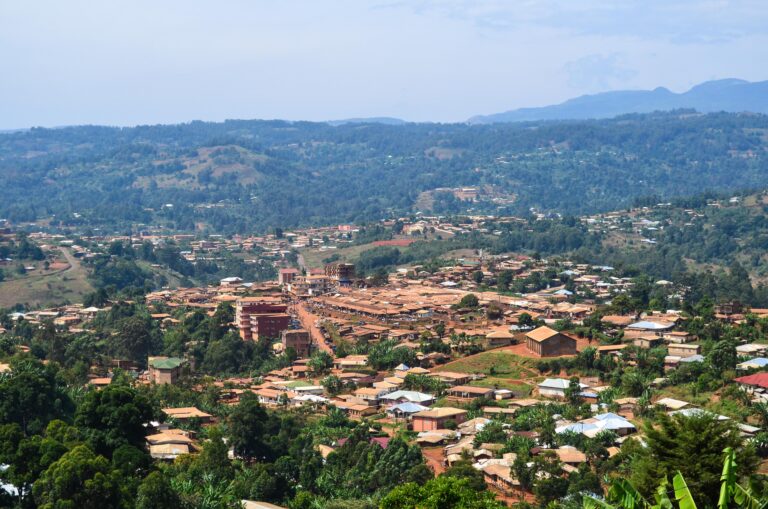
There is an ongoing crisis in Cameroon. Thousands have fled the English-speaking areas of the country because of violence and unrest, and many are calling for an independent state. What has the government done to alleviate this situation, and does it go far enough?