Islamabad Peace Exchange
Zahid Shahab Ahmed, Insight on Conflict’s local correspondent for Pakistan reports on the Islamabad Peace Exchange.
Capacity-building, collaboration and networking were the buzzwords when members of over 20 peacebuilding organisations from across Pakistan met at the Islamabad Peace Exchange in April.
Peace Direct has just held the Islamabad Peace Exchange in Pakistan. The idea for the Peace Exchange came from the UK High Commission in Islamabad, who was fascinated by the diversity of Pakistani peacebuilding groups listed on Insight on Conflict but frustrated that because of insecurity, they were not able to meet them.
Peace Direct was asked to bring them to Islamabad for a ‘show and tell’ with donors and international agencies. Peace Direct also wanted to provide an opportunity for these groups to explore ways in which they may wish to work together to address the conflict, to achieve the change that is needed in Pakistan.
For this event in Islamabad, Peace Direct brought its long experience of working with local peacebuilders around the world. The organisation finds the most effective local organisations and provides the funding and the promotion of their work that turns their potential into reality. In South Asia, Peace Direct funds projects in Nepal, Kashmir, Sri Lanka and Pakistan. Peace Direct also promote the work of peacebuilding groups, and that of over 600 locally-led peacebuilding initiatives globally through Insight on Conflict. The Pakistan section of Insight on Conflict contains information on over 100 peacebuilding organisations in Pakistan, as well as background information on Pakistan’s many conflicts and ongoing peacebuilding efforts.
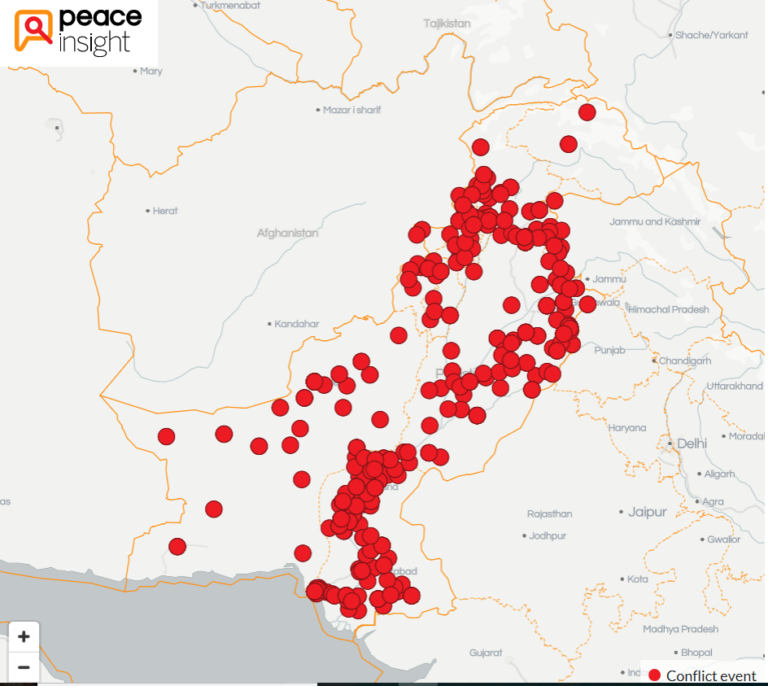
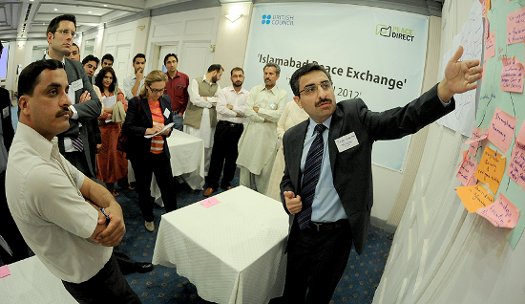
The Islamabad Peace Exchange was jointly organised by Peace Direct and the British Council office in Islamabad. For this exchange, Peace Direct brought together people struggling against the multiple conflicts affecting Pakistan – separatism in Baluchistan, the long running political conflict over Kashmir, radicalisation in Punjab and the Swat Valley, and gang fights in Karachi – for an intensive three days of learning, developing joint conflict analyses, and meeting with donors.
The peacebuilding organisations are working in many different ways and at different scales. One had produced over 1900 radio programmes on issues related to extremism. Another had organised a peace cricket tournament in which each team had to include one non-Muslim player. A third had organised in 2009 the first peacebuilding conference for Vice Chancellors of Pakistan universities. But all were very conscious that their efforts risk being completely swamped by the number of voices promoting violence. Two of them independently compared their work to a story in the Qur’an – when Prophet Ibrahim/Abraham was burning in a fire, a blackbird came to him with a few drops of water in her beak and dropped them in his mouth.
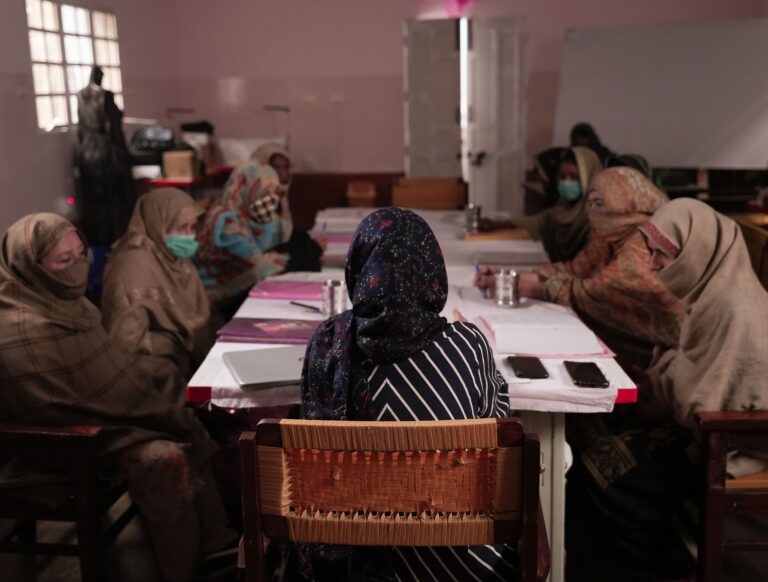
The event was not only limited to interaction among the local peacebuilding groups. A major purpose of this event was to provide opportunities to local NGOs to directly interact with donor organisations based in Islamabad. Thus, on the second-last day of the event, representatives of roughly ten donor organisations, such as the European Commission and the British High Commission, got the chance to meet with 21 local organisations, on topics including small-arms control, counter-radicalisation, inter-faith dialogue and youth activism. The organisations also worked in geographical groups to give the donors insights on the many different local conflicts in Pakistan, and developed their ability to make a coherent case for why a particular piece of work would contribute to lasting peace.
The Islamabad Peace Exchange is just the beginning of future possibilities for local peacebuilders in Pakistan and there are many exciting opportunities and we have to wait and see what will emerge from this meeting in the near future.
Locations