Forced silence: when Congolese activists become targets
This article highlights the targeting of activists in DRC, which has increased since M23 captured Goma.

This article highlights the targeting of activists in DRC, which has increased since M23 captured Goma.
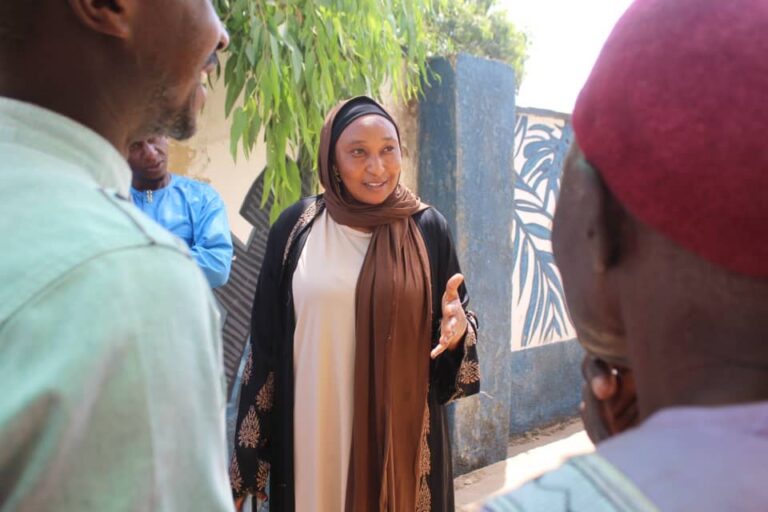
Local Correspondent Dr Prince Charles Dickson spoke to Aisha Aliyu, Executive Director for Unique Centre for Peacebuilding and Trauma Healing, about the work her organisation carries out across Nigerian Muslim communities, bringing together gender, trauma healing, and peacebuilding.
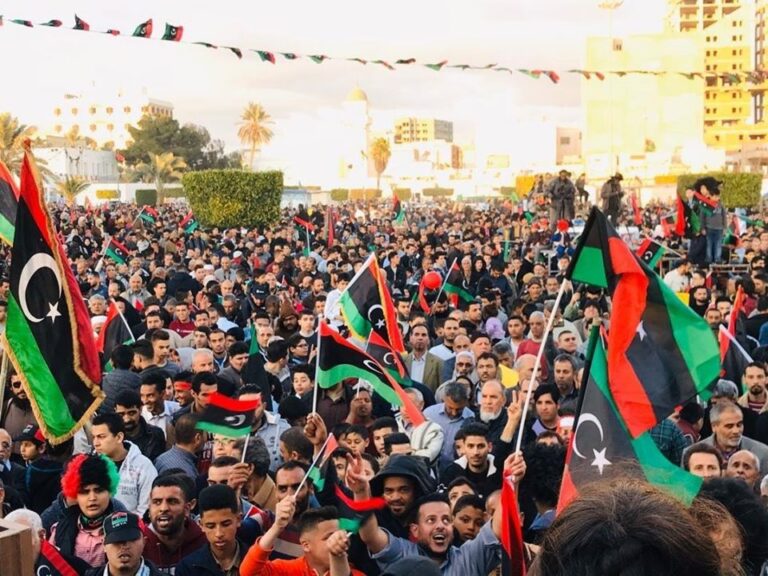
Peacebuilding sentiments in Libya started after a long and brutal revolution that impacted Libyans as a whole and younger generation in specific. Young peacebuilders have the power to bridge divides, promote dialogue, and foster reconciliation among the different factions in Libya. By engaging with their communities, advocating for peaceful solutions, and promoting tolerance and understanding, young peacebuilders have played a key role in building a sustainable peace in Libya. Furthermore, they serve as catalysts for social change by challenging traditional narratives of violence and conflict.
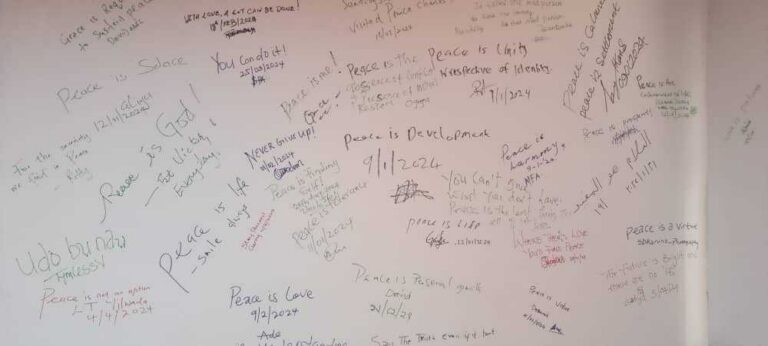
The city of Jos, Nigeria, has come a long way since the devastating crisis of September 2001. The conflict left hundreds dead and tens of thousands displaced, exposing deep-seated ethnic and religious divisions. Twenty-three years later, the scars still linger, but a beacon of hope has emerged in the form of the Peace Wall.
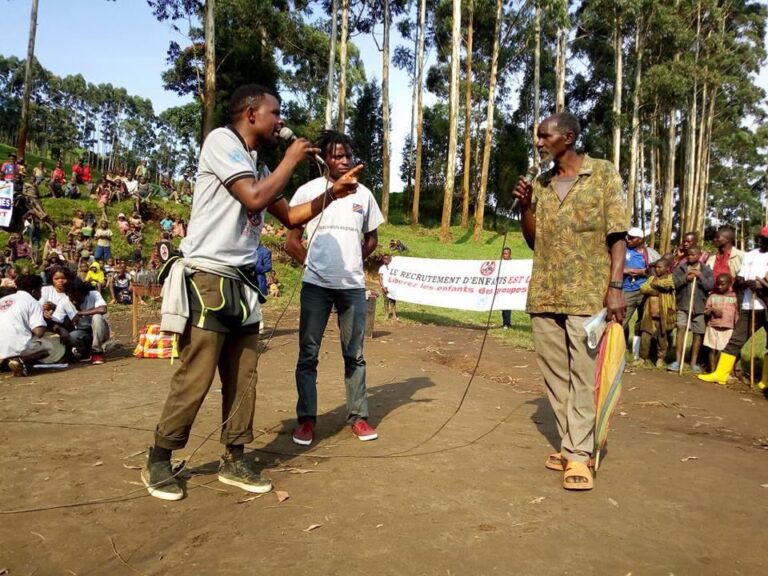
As the war continues to ravage eastern Democratic Republic of Congo (DRC), hope is emerging amidst years of conflict and violence.
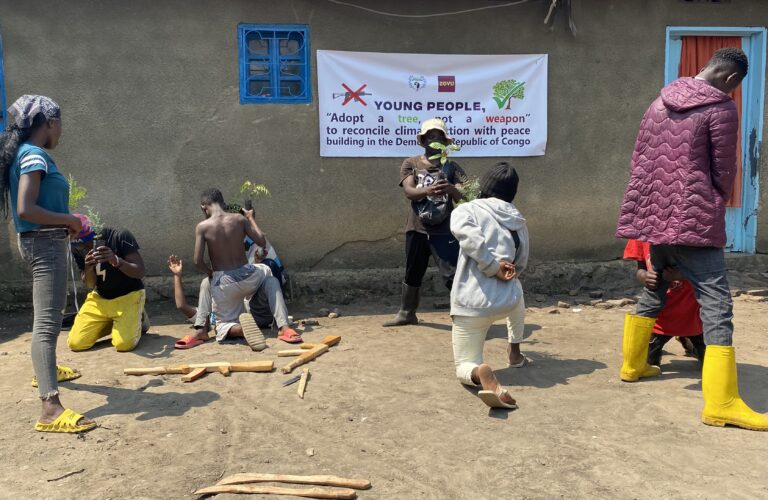
IntroductionIt has been almost 30 years since the Democratic Republic of Congo (DRC) was plunged into a deep and multifaceted crisis. The eastern part of the country where I live is particularly affected by the increased presence of local and foreign armed groups. More than a hundred of these groups are reportedly operating in the region. Here, armed violence has often led to illegal mining and unregulated logging in ecologically sensitive and protected areas like Virunga Park, located in the North Kivu province of Eastern DRC. Beyond the fact that these armed militias recruit children and young people to commit violence, they also degrade the local environment, which allows them to continue financing the hostilities they carry out.
Located in Southwest Ethiopia, Gambella is a region with multiple layers of conflicts, including the protracted Anywa-Nuer conflict. Competition over resources such as water and land have been a major cause of conflicts between the two communities: the Nuer, traditionally pastoralists and the Anywa, traditionally farmers.But with introduction of ethnic federalism in 1991 in Ethiopia and transformation of Gambella into a regional state, competition over resources was transformed into competition over dominance for the regional state politics. Moreover, the influx of South Sudanese refugees to Gambella since the outbreak of the second Sudanese civil war in 1983 has added fuel to an already burning fire in the region.
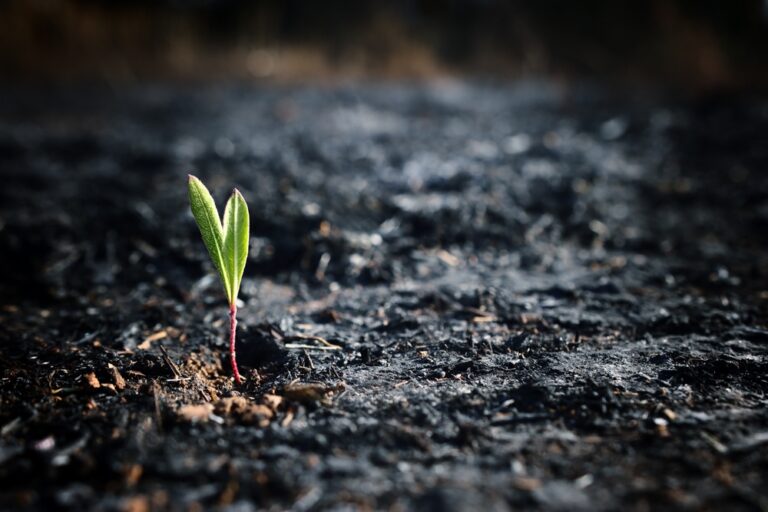
The Dogo Nahawa massacre scarred the collective memory of Plateau State, Nigeria. But amid the pain and grief, courageous individuals have risen to confront the cycle of violence with unwavering determination and a commitment to peace. These local peacebuilders have become beacons of hope, resilience, and healing for communities torn apart by violence.
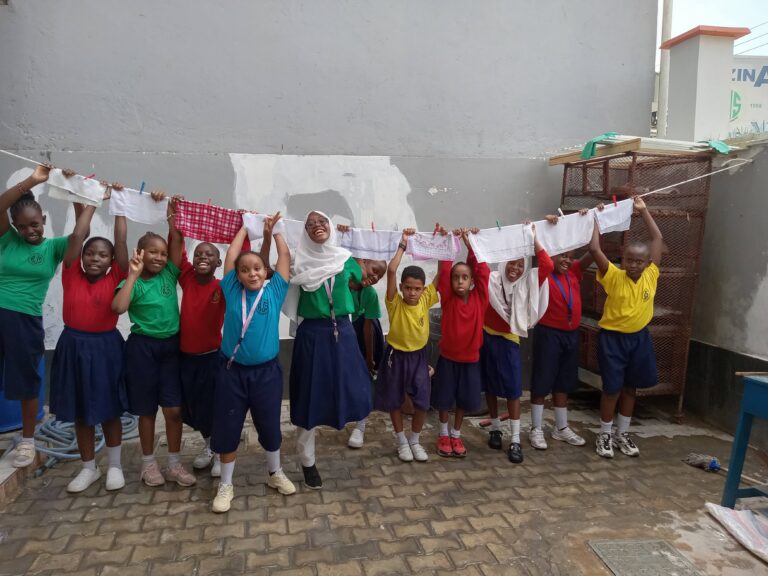
The Rozina Junior School embraces a diverse student body, representing various religious, cultural, and socio-economic backgrounds stands as a testament to the transformative power of education in fostering unity and understanding in a diverse and vibrant community.
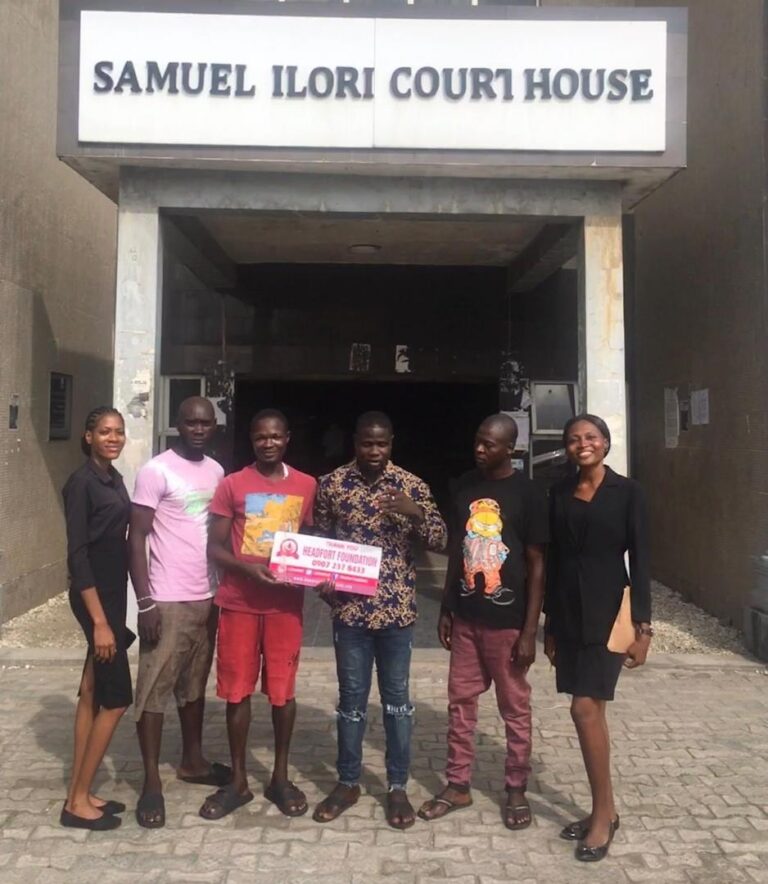
With over 100,000 incarcerated Nigerians remanded in custody mostly for minor offences, The women of The HeadFort Foundation are bringing peace to their doorsteps and ensuring that everyone, regardless of their socio-economic status, has access to justice.
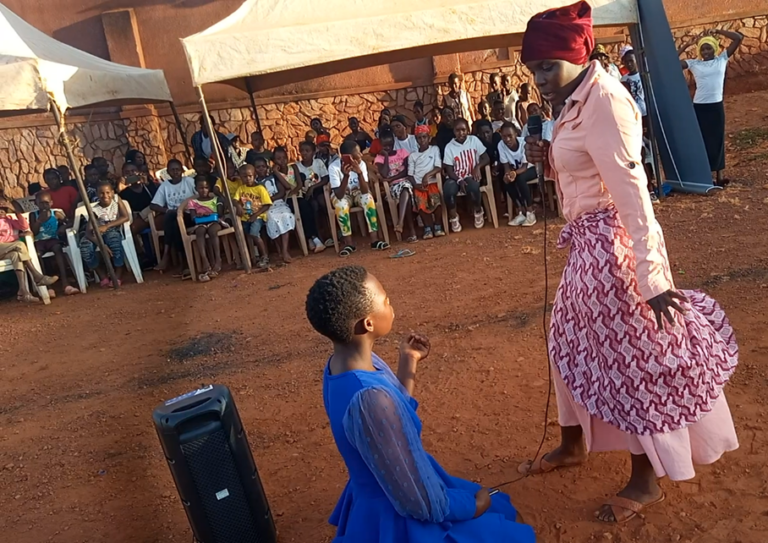
This article introduces the reader to village to ‘national accountability dialogues’ or ‘bottom-up dialogues’ that may be used to decolonize good governance, accountability and peacebuilding processes in Africa, particularly Uganda, and move away from the top-down approach that was introduced by colonialists. This article also shares with the reader the benefits of using Music, Dance, Drama (MDD) to address threats and violence against the freedom of speech and civic spaces.
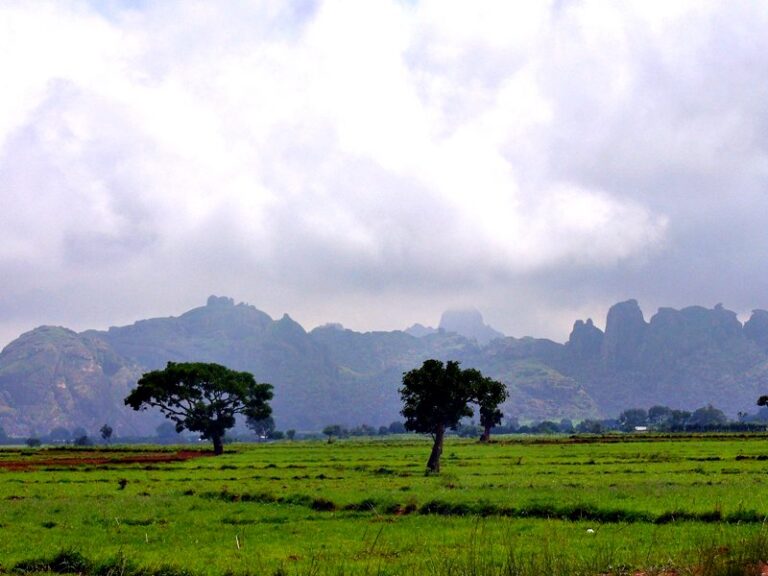
Peace Insight’s Local Peacebuilding Expert in Nigeria, Prince Charles Dickson, recently had the opportunity to interview the Director General of the Plateau State is the Plateau Peacebuilding Agency (PPBA), Joseph Lengmang, who shed light on the agency’s efforts to bring peace to Plateau State.
*Mr. Joseph Lengmang, is the Director General, Plateau State Peacebuilding Agency PPBA. He heads the agency coordinating and managing all the agency’s programmes and activities with support from the other directors, team leads, and program assistants