Lebanon: cultural heritage as a tool for peace
Sarah Jefferson showcases the work of Ashoka Fellow Joanne Bajjaly who uses cultural heritage as a tool for peace in Lebanon.


Sarah Jefferson showcases the work of Ashoka Fellow Joanne Bajjaly who uses cultural heritage as a tool for peace in Lebanon.

An interview with Professor Rohan Gunaratna on the challenges faced by Sri Lanka after the end of it’s armed conflict.
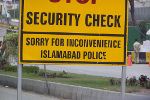
Zahid reports on the situation in Pakistan following the death of Osama bin Laden.

Prospects for reconciliation and an end to years of political unrest remain slim as Thailand moves nervously towards national elections.

Derek Brown, from the Peace Appeal Foundation, looks at what lessons can be learned from the Turkish and Lebanese democracies.
For an in-depth case study on the work of Peace Education and Development (PEAD) Foundation, Insight on Conflict’s local correspondent in Pakistan, interviewed the executive director of PEAD Foundation, Ms Sameena Imtiaz.

The job of peacebuilders in Pakistan has become very complicated, because of indoctrination of society by extremism. The symbolic Osama has been killed, but in the souls of many young people he still lives. There is an urgent need to moderate Pakistani society.
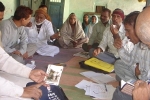
What motivated Priya Parker to discard her skill-building curriculum during a dialogue workshop for reconciliation efforts in Gujarat, India?
I did not feel safe when I travelled to Bardiya in the last week of November, 2010. Just before my journey, the district treasurer of the Nepali Congress was killed by unidentified persons on the east-west highway near the Bardiya National Park, while he was returning to his home around 6pm. I landed at nearby Nepalganj airport around 6.30pm, and then had to drive one-and-a-half hours to the district headquarters of Bardiya, at Guleriya. Just a couple of days before, two children aged 13-14 had been kidnapped for ransom near Nepalganj, and killed after the kidnappers received the ransom money. My unsafe feeling increased when I drove through the village where the kidnappers lived, as my driver suddenly told me this. Thank God! I arrived safely at the hotel where my accommodation was booked for the next four days.
What is the likelihood of a mass-level movement in Pakistan, of the kind we have seen in Tunisia, Egypt, Jordan, Bahrain and Libya? I would have said ‘very little’, if in the near past there wasn’t the notable example of the lawyers’ movement for the restoration of judiciary and democracy. Even then, there are many who would reject the possibility of another movement in the near future, because they think that the situation of Pakistan is entirely different from states that have either recently experienced a people’s revolution or are still going through that.

The following is a press release from ‘Partners in Victory – Flags for Peace’ a campaign developed jointly be peace organisations in Pakistan and India.
As a respected Shī‘ah anniversary date approached, representing a divergence in religious thinking with the Sunni, tensions in Basrah, Iraq were high. A date reserved for reverence historically triggered violent clashes. Anticipating the conflicts the Basrah Anti-Violence Campaign (BAVC), a replication of the CeaseFire violence prevention health model, went into action. Using social marketing and public health communication strategies, BAVC launched targeted messaging around the anniversary to interrupt the potential for violence. BAVC conflict mediators visited mosques, clerics and tribal leaders to defuse simmering tensions before they erupted.