The Patriotic March and the struggle for peace in Colombia
A powerful new political movement bringing Colombian civil society onto a common platform for peace

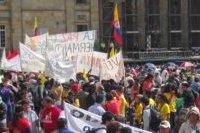
A powerful new political movement bringing Colombian civil society onto a common platform for peace

An interview with a former FARC guerrilla who is now dedicated to a peaceful resolution to the Colombian conflict.
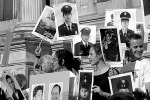
The killing of FARC leader Alfanso Cano reveals that the conflict in Colombia needs a solution based on negotiation & justice, not military victory
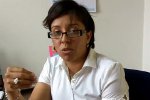
An interview with the Colombian organisation Yira Castro about Colombia’s new ‘victims law’ and if it successfully address the concerns victims of the conflict.
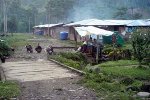
The story of San José de Apartadó Peace Community in Colombia. Formed in response to, and continuing despite, atrocities against the civilian population.

This is an urgent call for support. The inhabitants of the Peace Community San José de Apartadó need our help now. The Colombian Peace Community is again massively under threat on various levels. In such situations we’ve often experienced that international attention can save the live of innocent people. Giving a few minutes of our time can have an important effect.
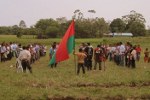
‘For true peace, first there must be justice’ – Hasan reports from the Citizens’ Assembly for Truth in Putamayo, Colombia.

Video interview with Jesús Emilio Tuberquia, a leader of the San José de Apartadó Peace Community in Urabá, northwest Colombia.
Juan Pablo Serrano Frattali argues that in Colombia, a country with more than 4 million IDPs and many violations of Human Rights, civil society represents the best way to demand their constitutional protection.
Colombian voters will elect a new President this month; the controversial reign of Álvaro Uribe will come to an end. The first round of voting took place at the end of May and the two remaining candidates will learn their fate as voters once again take to the urns. In one corner is the close Uribe ally and ex-Minister of Defence Juan Manuel Santos. In the rival corner is the surprise phenomenon, the ex-Mayor of Bogotá, Antanas Mockus.
For President Uribe Velez, human rights defenders are “politically interested individuals who hide themselves behind the banner of human rights and ultimately serve the cause of terrorism.” During his presidential reign, this practice of accusation and criminalisation of government critics has been constant. Both national and international human rights organisations have suffered accusations of being “the political arm of the guerilla” and of acting as “spokespersons for terrorism with the aim of discrediting the state.”
As Colombia approaches its 200th anniversary of independence, Colombians are naturally minded to assess the capacity of their state to govern at this milestone.