Successes and challenges of international involvement in local peacebuilding in Ukraine
Ukrainian correspondent Olga Dolinina explores the pitfalls and successes of international involvement in Ukraine’s peace efforts.

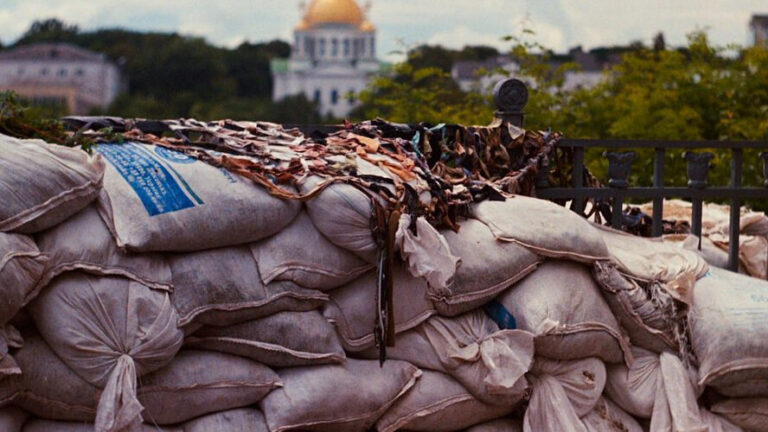
Ukrainian correspondent Olga Dolinina explores the pitfalls and successes of international involvement in Ukraine’s peace efforts.

As a licensed pharmacist with two decades of professional experience navigating the complexities of Eastern Europe’s healthcare systems, I have observed a profound reality. Health insecurity directly drives deep social tension. When vulnerable families feel entirely abandoned by their local medical infrastructure, or when the fear of illness is compounded by poverty, the result expands far beyond a public health crisis. It creates a severe breakdown of social trust and civic alienation. Yet, in these exact spaces, a practical kind of peacebuilding is currently taking root. This grassroots movement is led by dedicated community health workers who bridge the gaps between marginalised citizens and the institutions built to serve them.

In a city shaped by migration and austerity, grassroots organisations are doing the quiet, unglamorous work of building sanctuary, one conversation at a time.

Local Correspondent Olga Dolinina highlights local efforts to support mental wellbeing in Ukraine, after 4 years of intensified war.
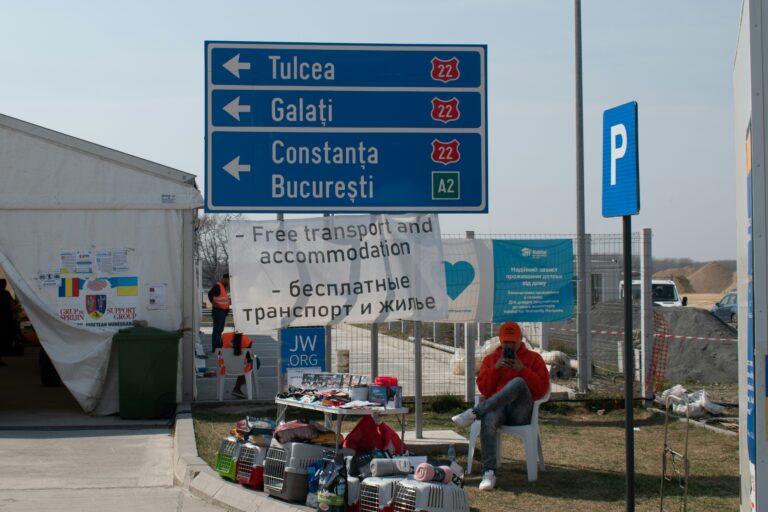
In the gaps left by state institutions which have been stretched to breaking point, it is Ukrainian women, such as Leniye Umerova, Kateryna Borozdina, and Nina Pakhomiuk, who have stepped in to vital roles supporting vulnerable people.
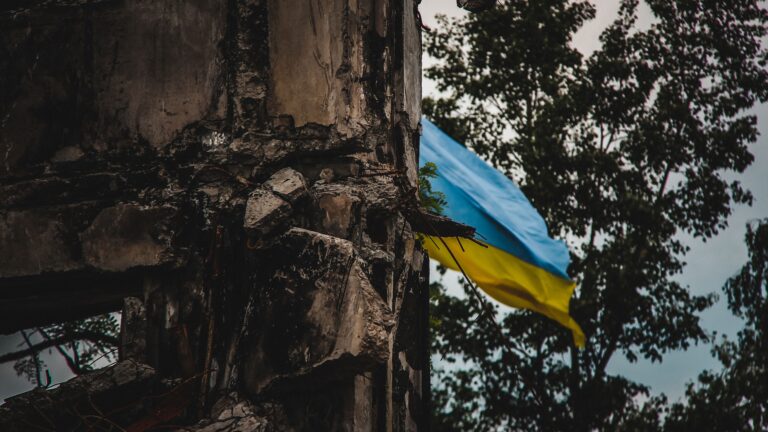
The suspension of funding in January 2025 has ‘severely impacted’ provision of humanitarian services by Civil Society Organisations (CSOs) in Ukraine, with programmes relating to WASH (Water, Sanitation & Hygiene), food, health, and education programmes reduced by one-third on average. The humanitarian data initiative REACH reports that ‘key oblasts such as Khersonska, Kharkivska, and Odeska are most affected, putting vulnerable populations at increased risk’.
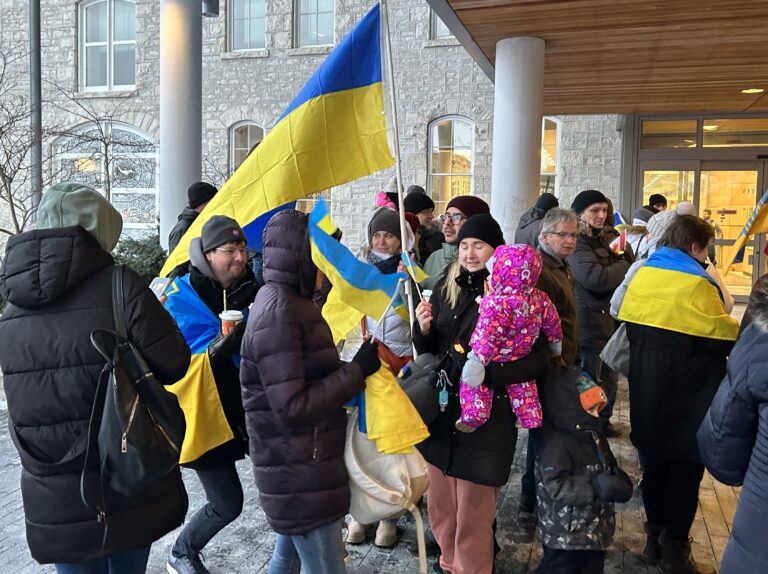
2025 marks the third anniversary of Russia’s war on Ukraine. As we enter the fourth year of the full-fledged war, pain, courage, resistance, hope are words which define the best nowadays feelings. The three past years have exhausted Ukrainian civilians and civil society, volunteers, and donors. Everyone hopes for the stop of the war, or at least to stop active military actions. Both international aid and donations to civil society organisations are diminishing month after month – due to fatigue, economic problems, an uncertain future, political decisions and an increasing level of corruption. But as a habit, Ukrainians express their anger towards the war through daily donations to support the army, even though the amount given has decreased.
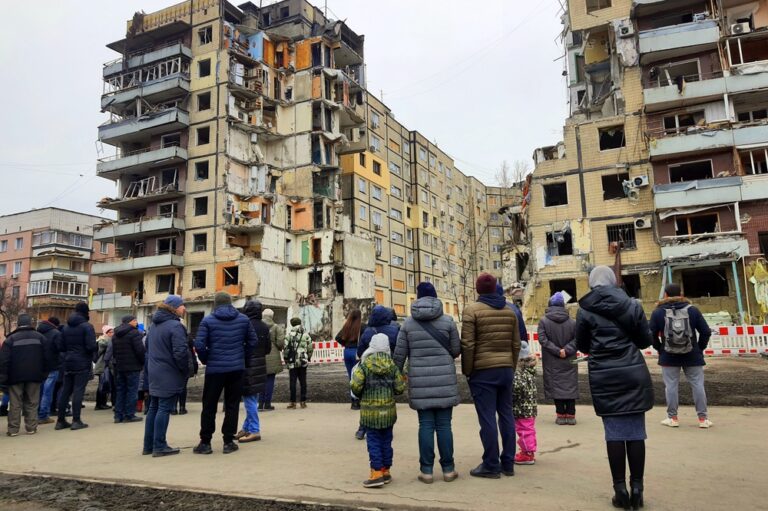
Economic initiatives can support war-affected people by fostering stability through job creation, reducing poverty and addressing inequalities. They encourage cooperation across communities, empower local populations, and provide sustainable livelihoods, thereby reducing conflict drivers and promoting social cohesion essential for long-term peace.
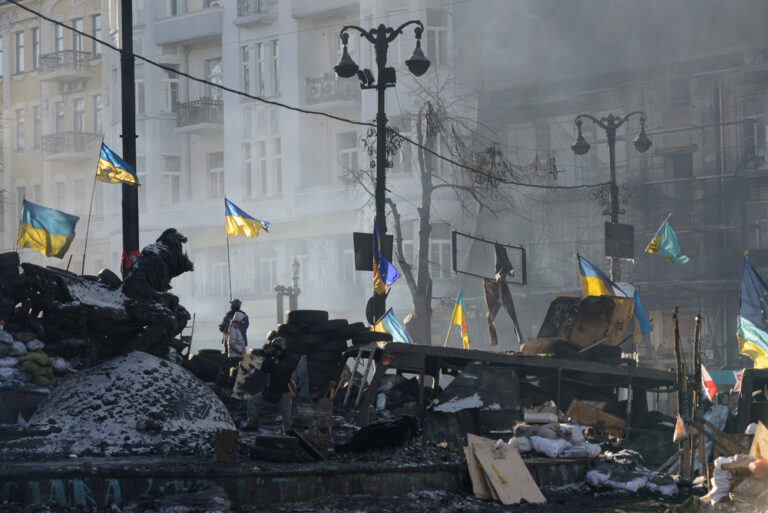
Peace Insight’s Local Peacebuilding Expert Olga Dolinina, recently had the opportunity to interview the Director and Founder of all-Ukrainian NGO Proliska, Eugen Kaplin, who discussed the impact of the war on Ukraine and what has changed since 2014.
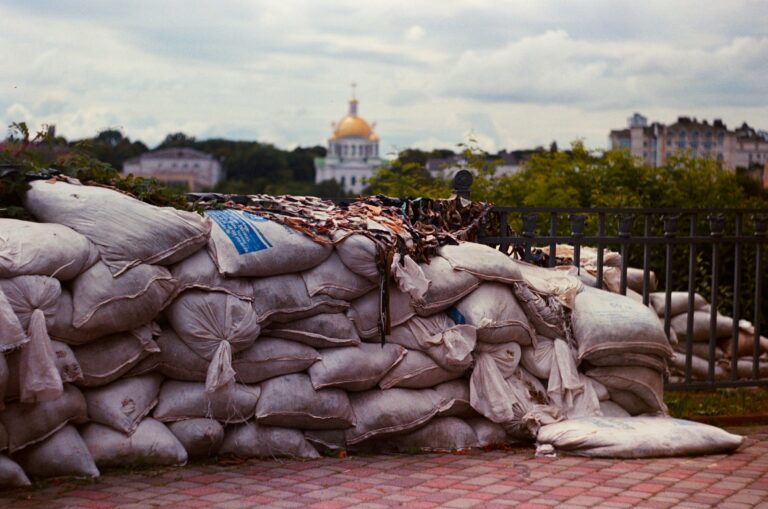
February 24 marks the second anniversary of Russia’s brutal full-scale invasion of Ukraine. Twenty-four months since Russia invaded Ukraine and created 1,500 km long active front line, forcing entire communities to be dependent on humanitarian assistance coming from local civil-society organizations, volunteers and international organizations.
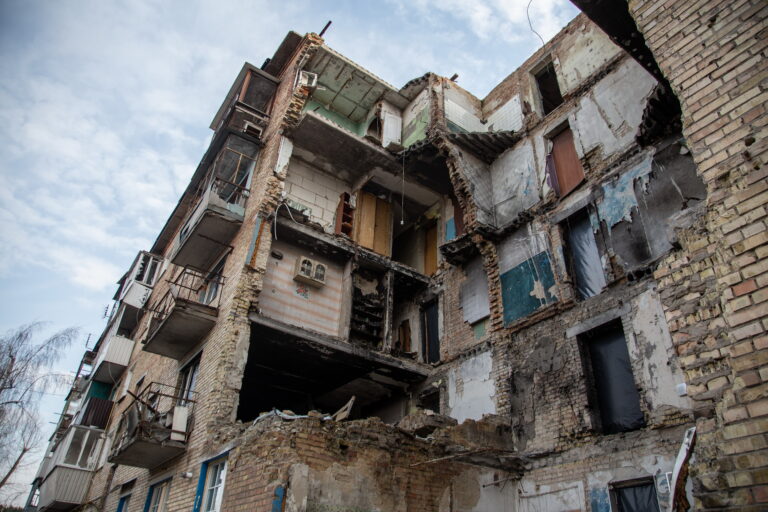
Peacebuilders from Ukraine ask for more informed solidarity from the international community, and explain the reasoning for their recent appeal, which includes a call for continued weapons supply.
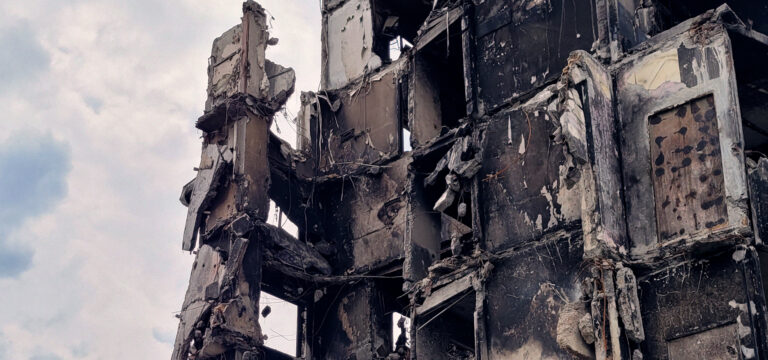
In light of the first anniversary of Russia’s invasion of Ukraine, Olga Konstantinova met with the individuals featured in Peace Insight’s Portraits from the War in Ukraine, to hear their reflections on the first year of war, the needs of conflict-affected Ukrainians and changes in humanitarian response.