Peace Dispatch: May 2018
In this month’s edition, Local Peacebuilding Experts from Pakistan, Ukraine, Cote d’Ivoire and Lebanon provide their latest analysis of conflict in their areas – and what it means for peacebuilders.

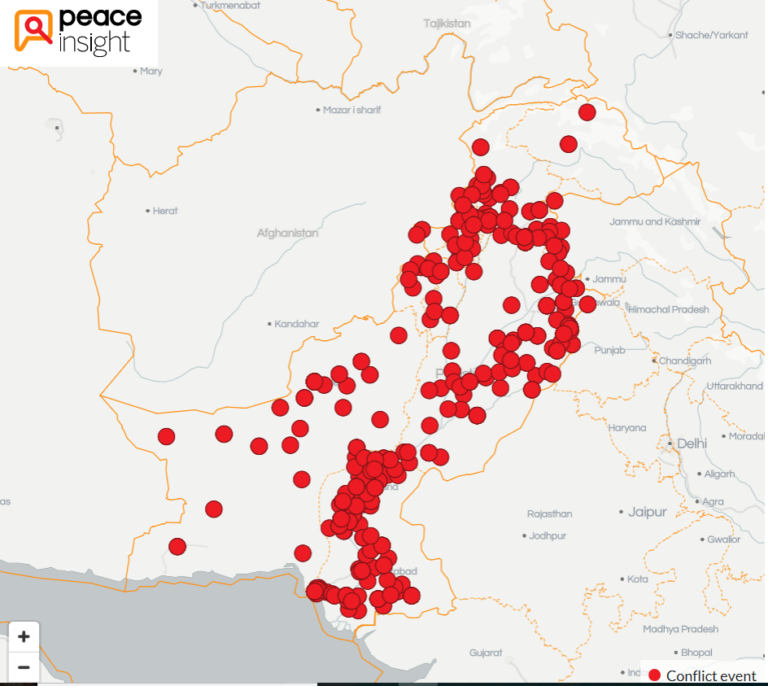
In this month’s edition, Local Peacebuilding Experts from Pakistan, Ukraine, Cote d’Ivoire and Lebanon provide their latest analysis of conflict in their areas – and what it means for peacebuilders.
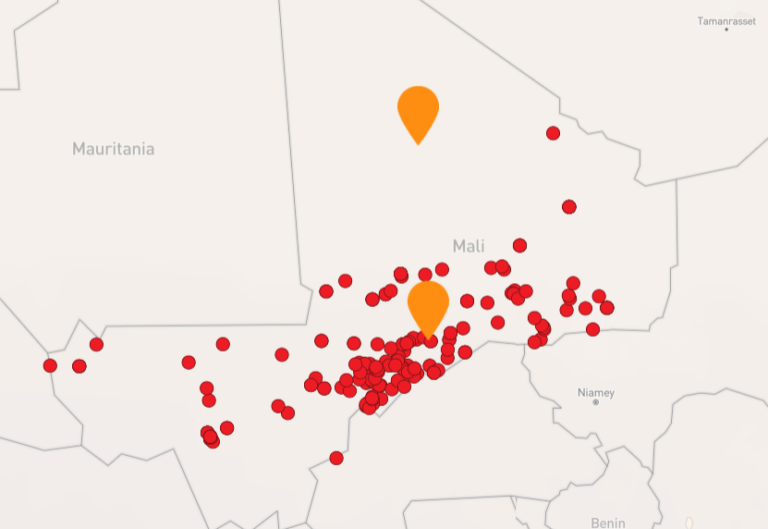
In this month’s edition, Local Peacebuilding Experts from Yemen, Syria, Sierra Leone, Niger and Nepal provide their latest analysis of conflict in their areas – and what it means for peacebuilders.
Peace Direct’s latest report presents the analysis and recommendations of atrocity prevention and peacebuilding from experts and practitioners from across the globe, and advocates for the recognition of the critical role that local civil society and locally-led peacebuilding approaches play in preventing and stopping atrocities.
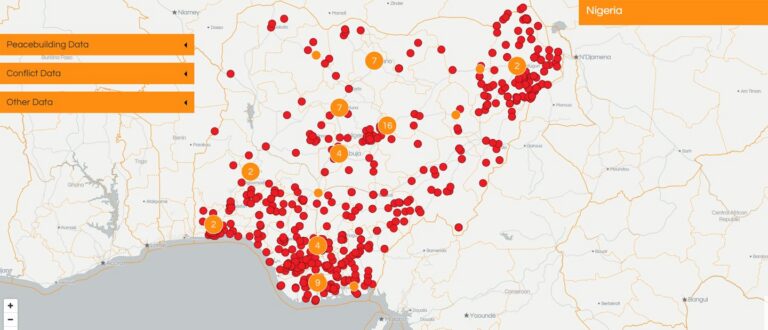
Today, Peace Insight launches a brand new tool and exciting feature: Peace Dispatch provides real time analysis on instances of violence as they happen. Peace Dispatch is a unique new feature, mapping live incidences of violence and peacebuilding initiatives. It brings together instances of violent outbreaks alongside instances of local peacebuilding, showing exactly what is being done to halt violence and build peace in the aftermath.
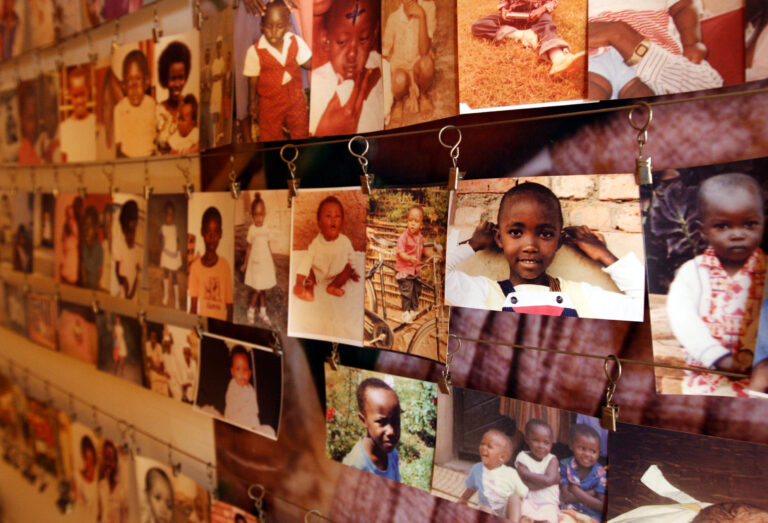
Within a 100-day span in the spring and summer of 1994 the Rwandan genocide claimed the lives of more than 800,000 Tutsis and their sympathisers. A generation has since past yet Rwandans, old and young alike, are continuing to experience post-genocide trauma. Why is this the case and what can be done to counter this enduring trauma?
Rwanda has a large migrant and diaspora community and divisions among these groups must be included in the reconciliation process and the journey towards peace, says Jean De Dieu.
Truth and Reconciliation Commissions have an increasingly important role in securing peace across many African countries. Jean de Dieu Basabose draws out insights from a gathering of practitioners, academics and policymakers and asks: what part can local organisations play in transitional justice?
Jean de Dieu Basabose reflects on Rwanda’s International Peace Day celebrations and explores the role of youth in building sustainable peace in the country.
Feeling like a hero or victim can drive social processes in post-conflict societies. In the second of a two-part series, Andrea Pabst and Markus Bayer discuss the impact of victimisation in Rwanda.
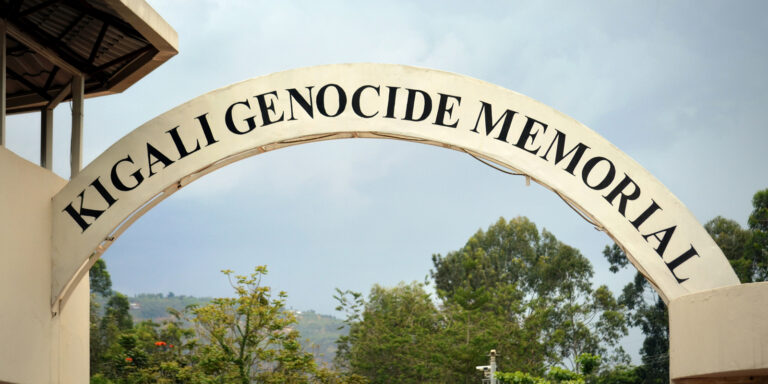
22 years after the 1994 genocide, Rwandans are continuing to mark the occasion and keep the memory of an event which cost more than 800,000 human lives.
How Rwanda is increasingly recognising the importance of peace education in securing peace and reconciliation.
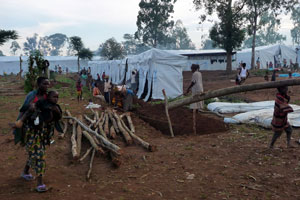
Diplomatic tensions between Rwanda and Burundi are growing. Jean de Dieu Basabose looks at the reasons behind this, and the prospects for peace