The opportunities for peace that come with a global pandemic
In this article, local peacebuilding expert in Colombia Lina María Jaramillo reflects on the impact of COVID-19 for peacebuilders, along with the opportunities brought about by a pandemic.

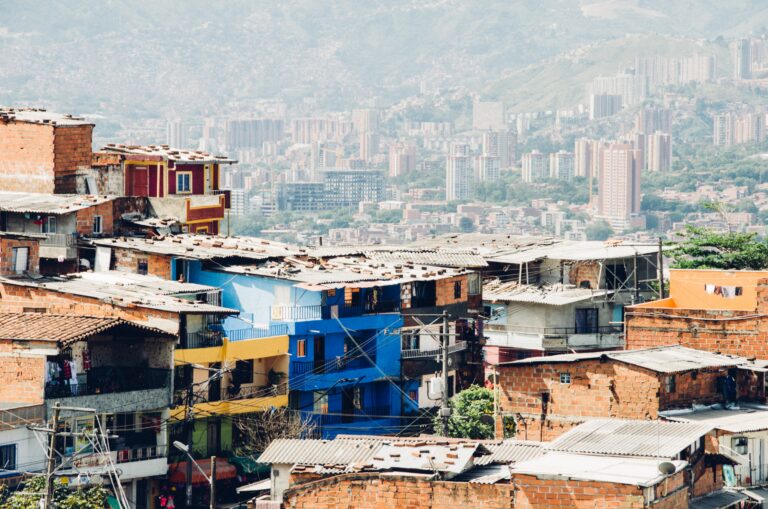
In this article, local peacebuilding expert in Colombia Lina María Jaramillo reflects on the impact of COVID-19 for peacebuilders, along with the opportunities brought about by a pandemic.
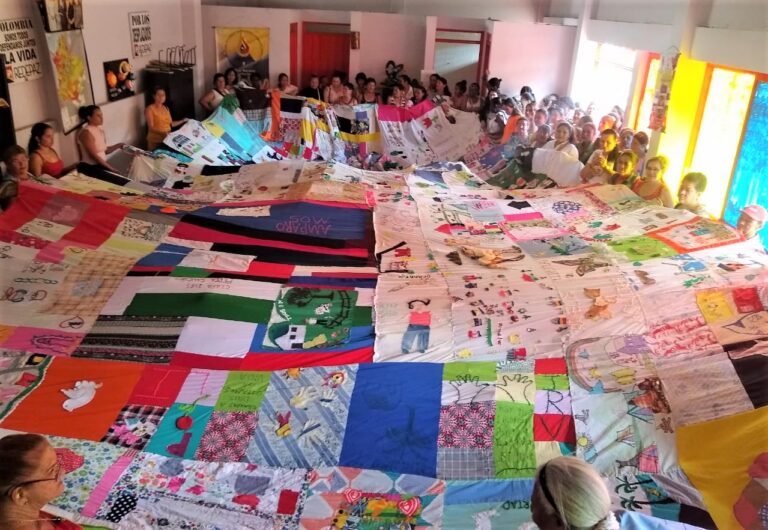
Yolanda Perea Mosquera and other women’s rights advocates in Colombia are sewing a colorful quilt. They plan to spread it out over the central square in the capital Bogotá in late November. Their message: “cover me with your hope.”
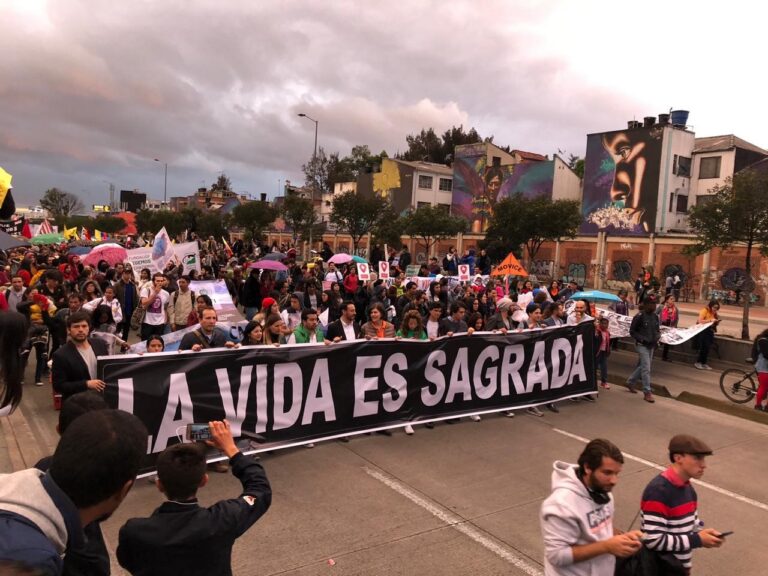
Peacebuilding in Colombia has a long history, and not all efforts in this field are linked to the current peace implementation process. One of our local peacebuilding experts shares six ways that civil society is enhancing peacebuilding. She hopes that this will help other grassroots actors learn about the attitudes and tools required to lead the country to sustainable peace, thinking of a long-term process and sustainable results that start from the local level.
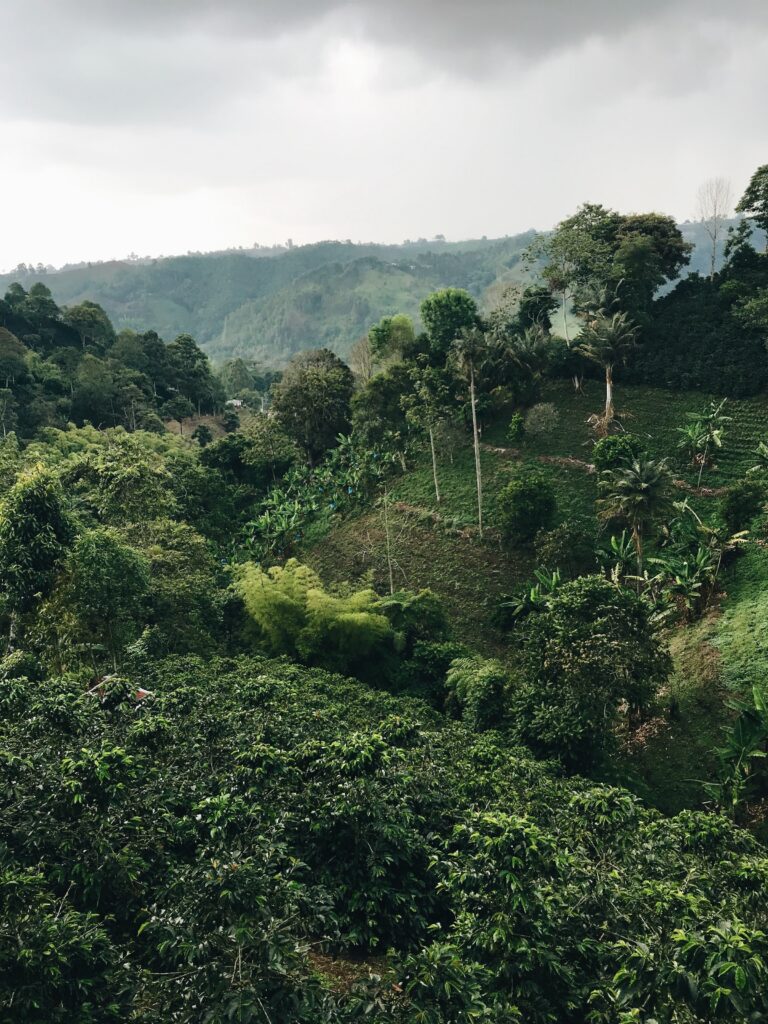
In this blog post, Juanita Esguerra-Rezk argues that a “territorial peace” approach is needed to curb coca production in Colombia, opposing the militarized approaches proposed by the current government. It exposes evidence related to the health, environmental and social costs of aerial spraying of Glyphosate herbicide, and asserts that sustainable peace must be built through the recognition and empowerment of local communities.
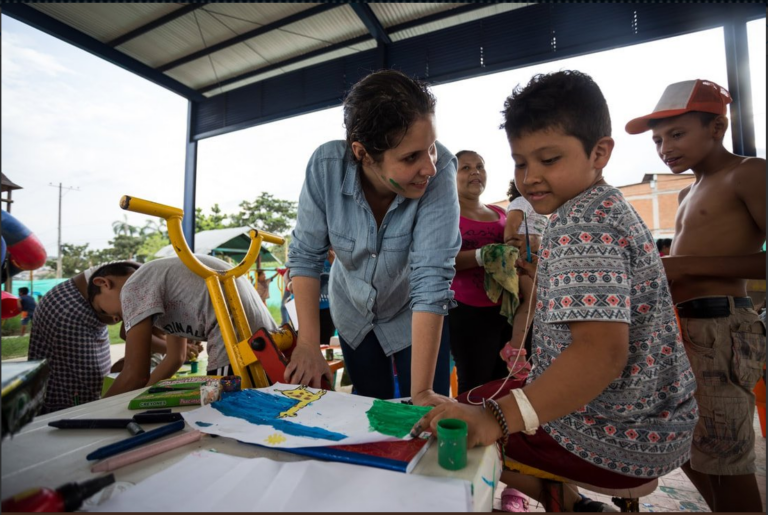
In this blog, former Peace Direct intern Celia Carbajosa spoke to leading social entrepreneur, activist and Rotary Peace Fellow Maria Gabriela Arenas about an approach to violence which she thinks is largely overlooked: that of visual arts and innovative education. Gaby is the founder of TAAP (“Taller de Aprendizaje para las Artes y el Pensamiento”), a foundation based on promoting peaceful living and learning through creative workshops.
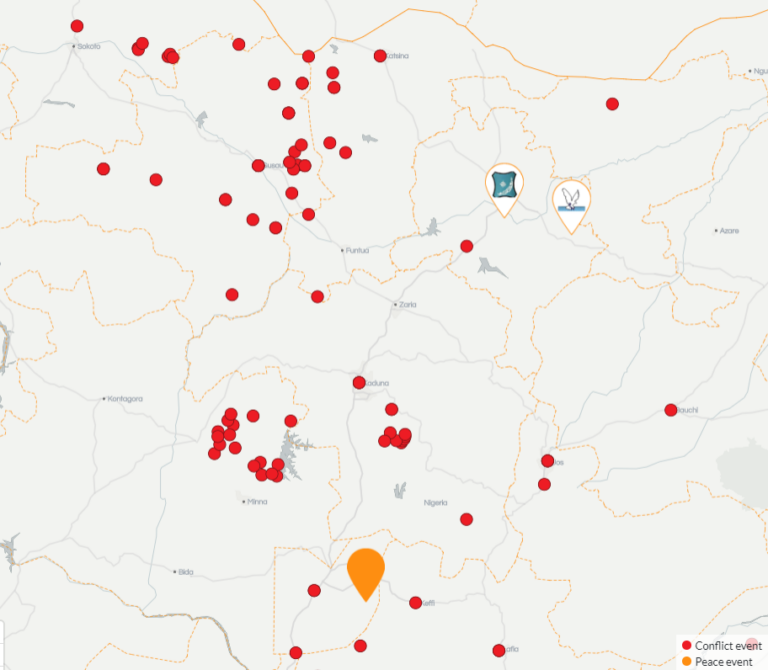
In this quarterly edition, Local Peacebuilding Experts from Afghanistan, Central African Republic, Colombia, India (Kashmir), Lebanon, Mali, Nigeria, Pakistan, Syria and Ukraine provide their latest analysis of conflict in their areas – and what it means for peacebuilders.
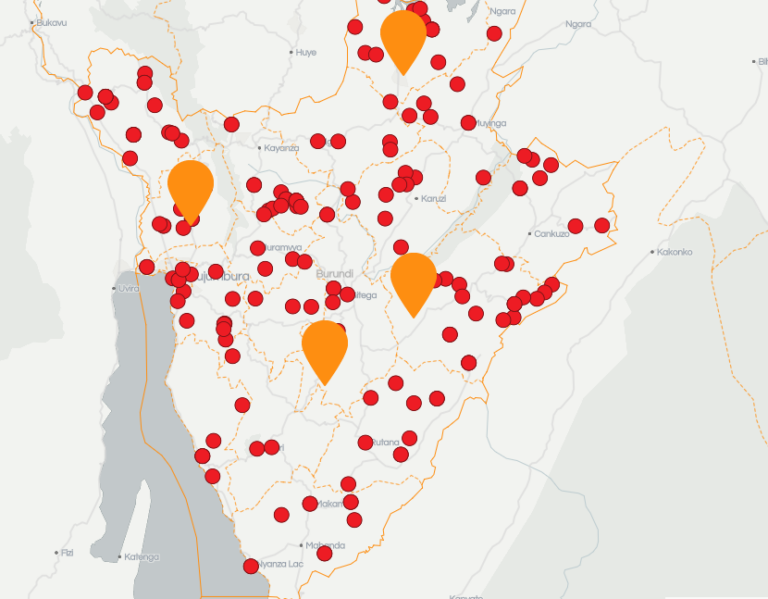
In this quarterly edition, Local Peacebuilding Experts from Afghanistan, Burundi, Colombia, India (Kashmir), Lebanon, Pakistan, Syria, Ukraine and Yemen provide their latest analysis of conflict in their areas – and what it means for peacebuilders.
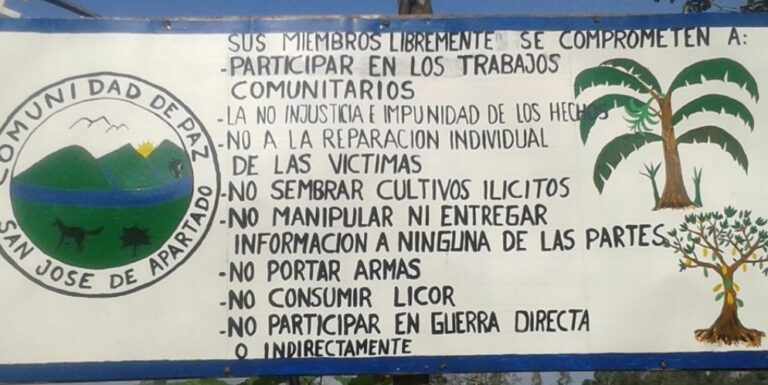
The Colombian Peace Agreement (CPA) is known as being the most inclusive peace deal to date, as several civil society organizations partook in the negotiation process and helped in drafting the final agreement. Two years later into the peacebuilding process, how inclusive is the implementation of Colombia’s peace?
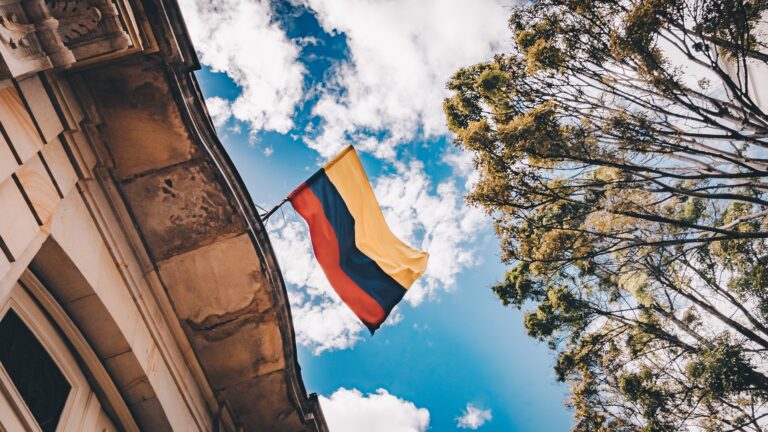
On the 3rd of July, most Colombians were celebrating a stunning performance from their national team at the football World Cup. Yet at the same time, several assassinations and massacres were happening in different regions across Colombia. This article calls for Colombia to denounce violence on this day and every day, and protect its social leaders and peacebuilders by raising awareness of the risks they are facing by serving their communities.
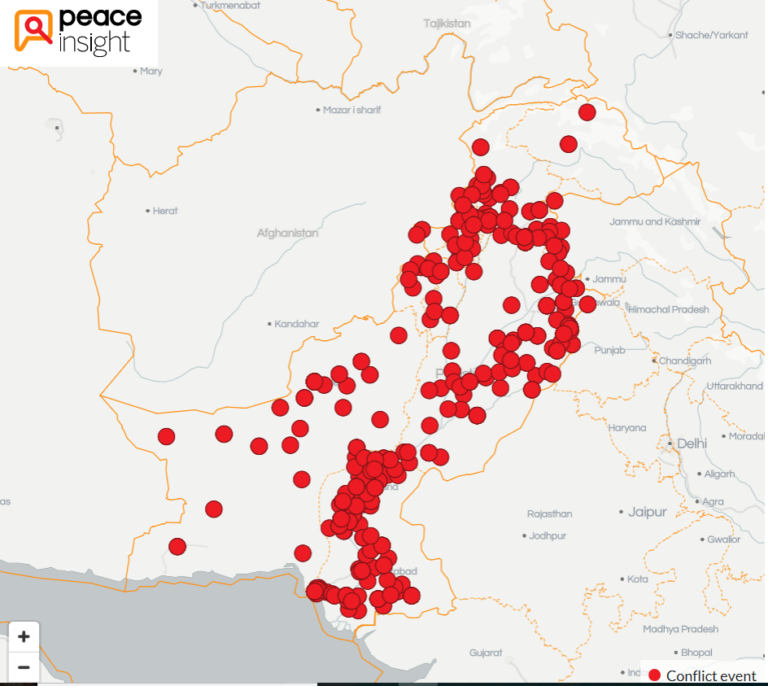
In this month’s edition, Local Peacebuilding Experts from Pakistan, Ukraine, Cote d’Ivoire and Lebanon provide their latest analysis of conflict in their areas – and what it means for peacebuilders.
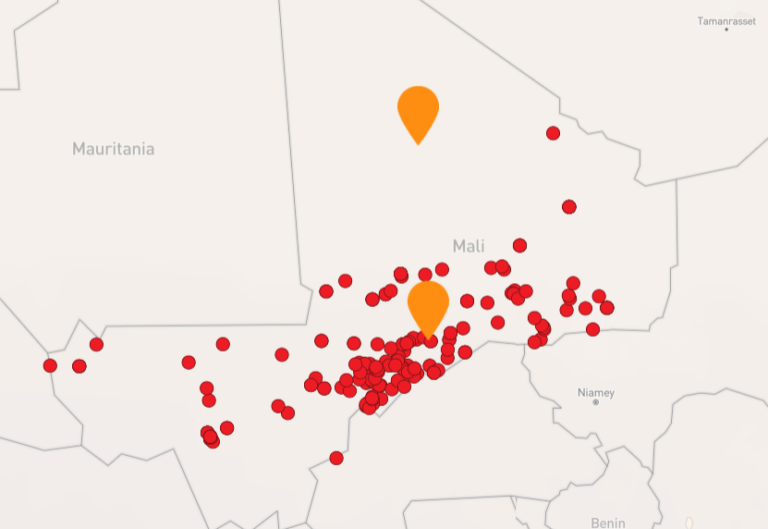
In this month’s edition, Local Peacebuilding Experts from Yemen, Syria, Sierra Leone, Niger and Nepal provide their latest analysis of conflict in their areas – and what it means for peacebuilders.
Peace Direct’s latest report presents the analysis and recommendations of atrocity prevention and peacebuilding from experts and practitioners from across the globe, and advocates for the recognition of the critical role that local civil society and locally-led peacebuilding approaches play in preventing and stopping atrocities.