Peace Dispatch: May 2018
In this month’s edition, Local Peacebuilding Experts from Pakistan, Ukraine, Cote d’Ivoire and Lebanon provide their latest analysis of conflict in their areas – and what it means for peacebuilders.

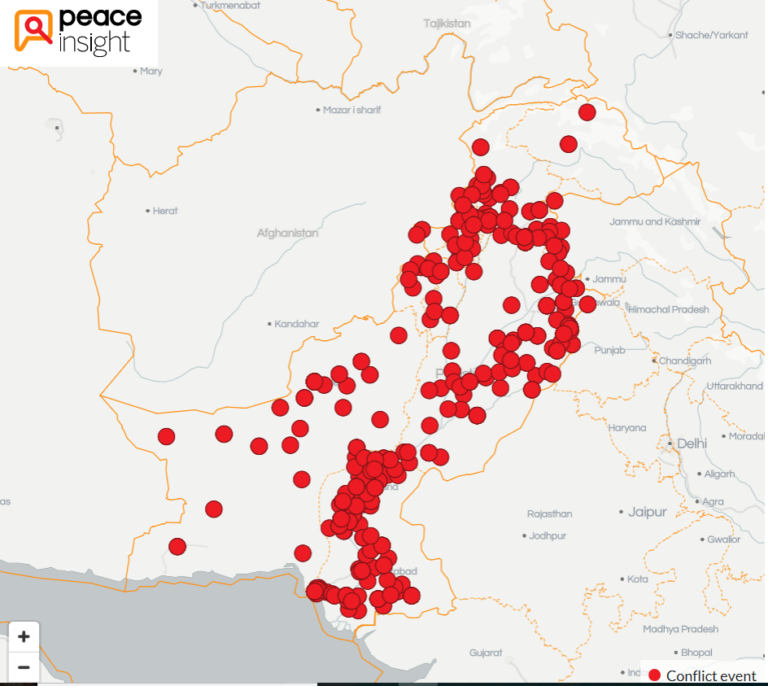
In this month’s edition, Local Peacebuilding Experts from Pakistan, Ukraine, Cote d’Ivoire and Lebanon provide their latest analysis of conflict in their areas – and what it means for peacebuilders.
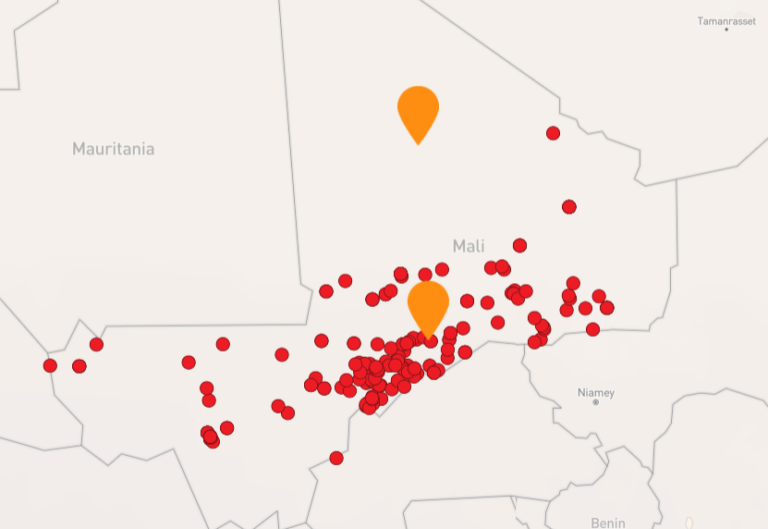
In this month’s edition, Local Peacebuilding Experts from Yemen, Syria, Sierra Leone, Niger and Nepal provide their latest analysis of conflict in their areas – and what it means for peacebuilders.
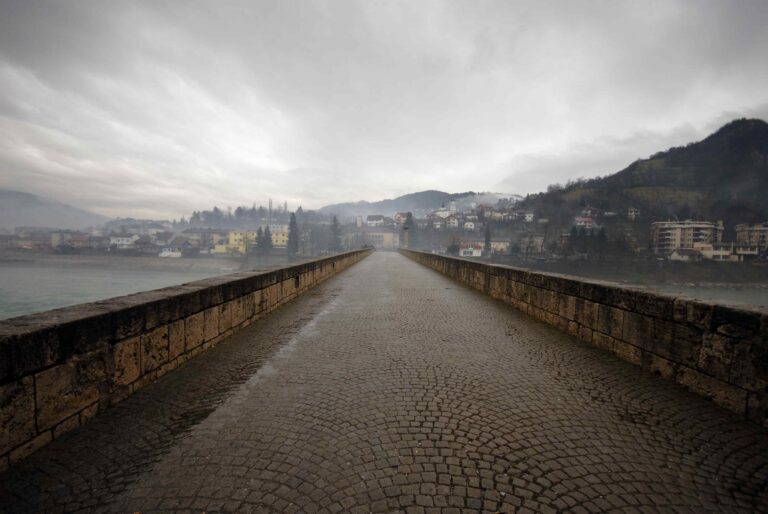
Peace Direct’s latest report presents the analysis and recommendations of atrocity prevention and peacebuilding from experts and practitioners from across the globe, and advocates for the recognition of the critical role that local civil society and locally-led peacebuilding approaches play in preventing and stopping atrocities.
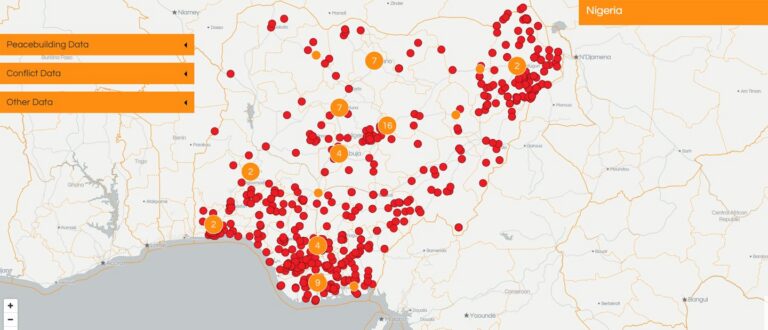
Today, Peace Insight launches a brand new tool and exciting feature: Peace Dispatch provides real time analysis on instances of violence as they happen. Peace Dispatch is a unique new feature, mapping live incidences of violence and peacebuilding initiatives. It brings together instances of violent outbreaks alongside instances of local peacebuilding, showing exactly what is being done to halt violence and build peace in the aftermath.

Peace Direct’s Local Peacebuilding Experts come together to discuss key issues in a new series of reports. In the second edition, they look at the problems refugees and IDPs face around the world.
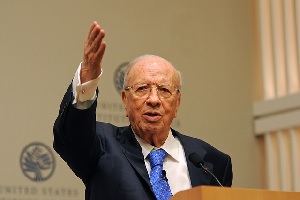
Thousands of Tunisians are imprisoned on drugs charges thanks to the country’s notoriously strict Law 52. The law needs changing, says Nissaf Slama.
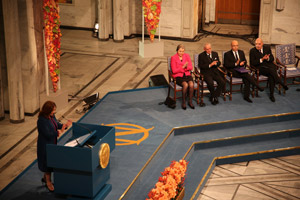
In November 2015, a quartet of Tunisian civil society organisations were awarded the Nobel Peace Prize. Nissaf Slama reports.
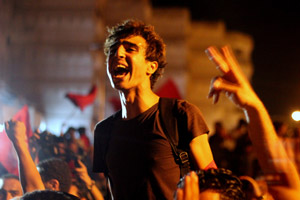
Insight on Conflict has expanded its coverage to north Africa.
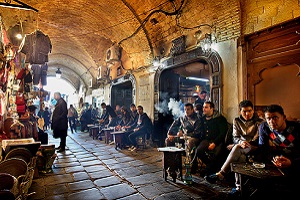
In the middle of a turbulent year for Tunisia, Liz Resnick interviews a jewellery seller in Tunis whose work symbolises hope and harmony.
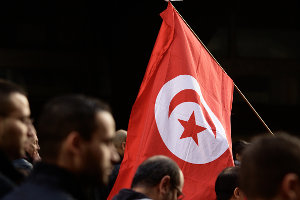
Four years on from the Arab Spring, Rim El-Gantri discusses attempts to deal with historical injustice in Tunisia.