The land remembers: a path to peaceful coexistence in Uganda
What happens when legal aid funding falls silent but the land still speaks? Acholi youth are turning to memory to protect their land in post war northern Uganda.

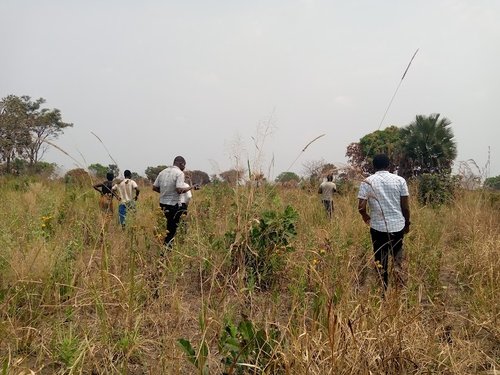
What happens when legal aid funding falls silent but the land still speaks? Acholi youth are turning to memory to protect their land in post war northern Uganda.
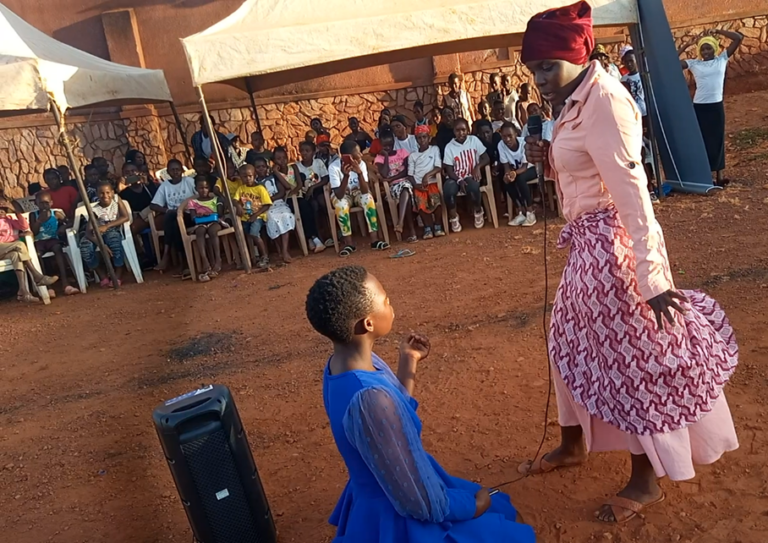
This article introduces the reader to village to ‘national accountability dialogues’ or ‘bottom-up dialogues’ that may be used to decolonize good governance, accountability and peacebuilding processes in Africa, particularly Uganda, and move away from the top-down approach that was introduced by colonialists. This article also shares with the reader the benefits of using Music, Dance, Drama (MDD) to address threats and violence against the freedom of speech and civic spaces.
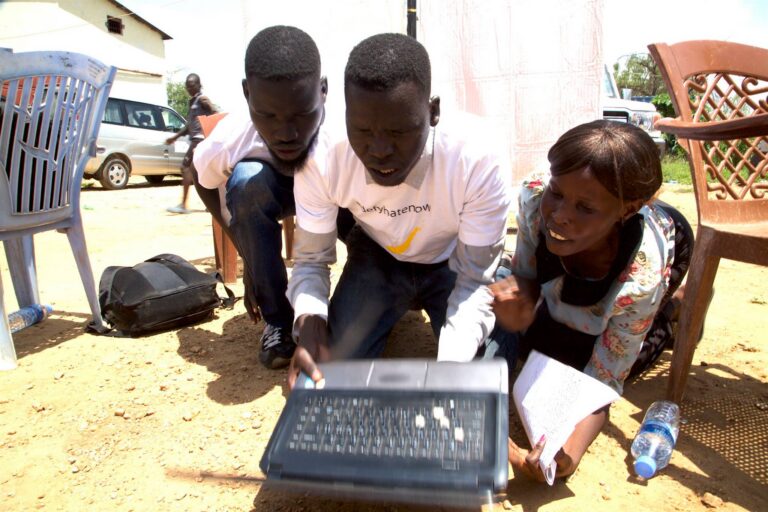
Fake News is not just a problem in the US. Online disinformation has been blamed for fuelling violence all over the world. In South Sudan a campaign has been launched to train young people to recognise and combat online hate speech, and identify ways to build peace online.
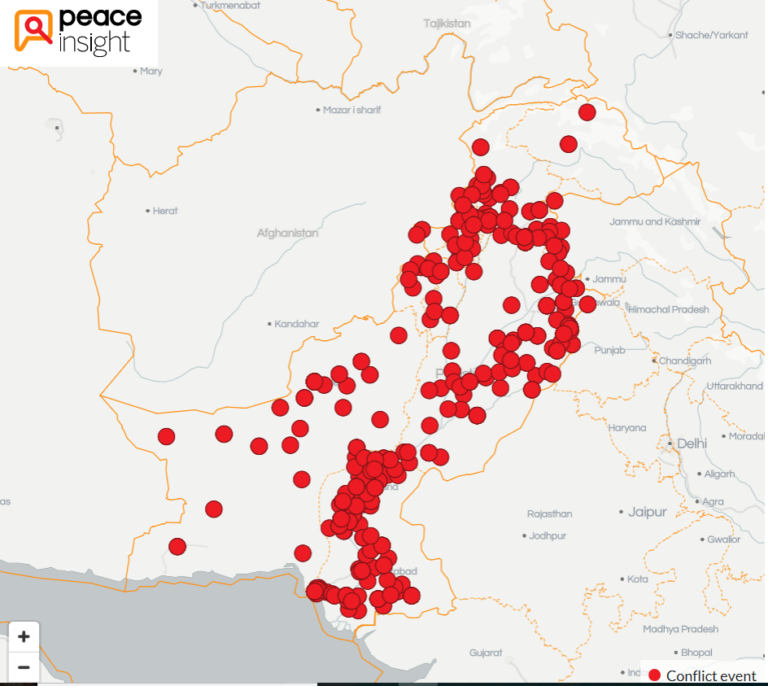
In this month’s edition, Local Peacebuilding Experts from Pakistan, Ukraine, Cote d’Ivoire and Lebanon provide their latest analysis of conflict in their areas – and what it means for peacebuilders.
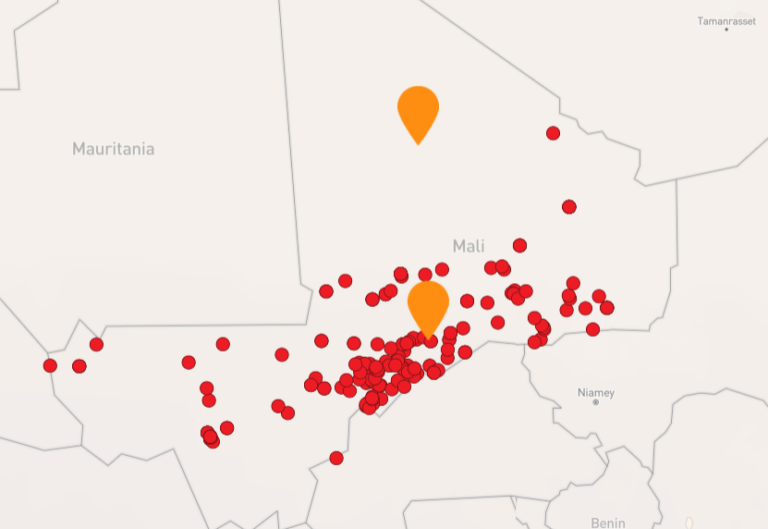
In this month’s edition, Local Peacebuilding Experts from Yemen, Syria, Sierra Leone, Niger and Nepal provide their latest analysis of conflict in their areas – and what it means for peacebuilders.
Peace Direct’s latest report presents the analysis and recommendations of atrocity prevention and peacebuilding from experts and practitioners from across the globe, and advocates for the recognition of the critical role that local civil society and locally-led peacebuilding approaches play in preventing and stopping atrocities.
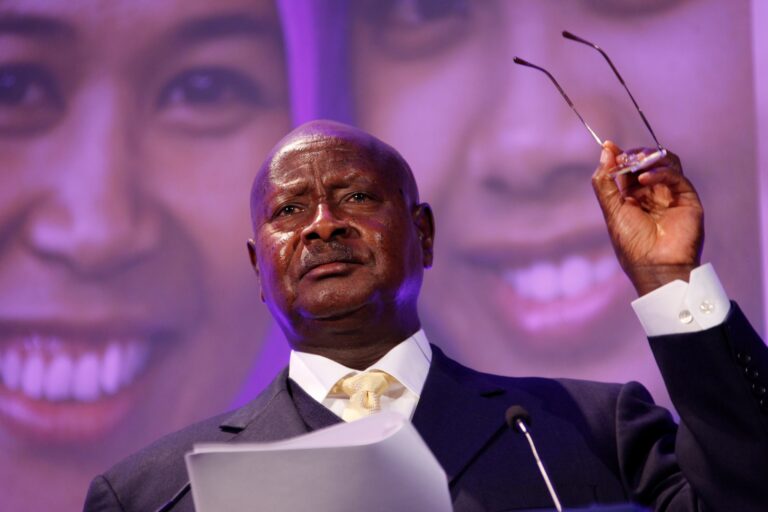
The removal of Uganda’s presidential age limit opens the way for a life presidency for incumbent Museveni and risks huge instability and violence, says Stephen Oola.
Stephen Oola explains the vital role forgiveness has played in low-level post-conflict reconciliation and peacebuilding in northern Uganda.
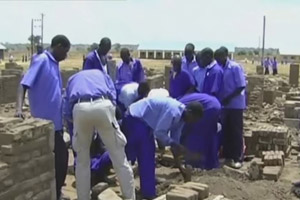
How successful was the reintegration of former-LRA combatants after the Uganda’s Amnesty Act in 2000?
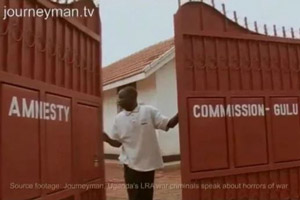
What motivated the Ugandan government to offer amnesty to 26,000 former combatants?
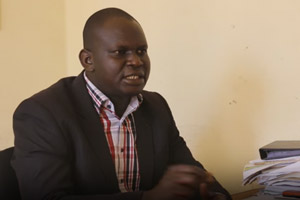
Is it enough for former LRA commanders to stand trial in the Hague? What about alternative forms of justice?
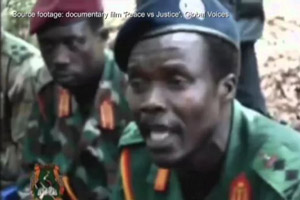
Why has it proved so difficult to defeat the LRA? Stephen Oola discusses the causes of conflict and peace in Uganda and beyond.