Ashima Kaul
Contributor

Articles by Ashima Kaul
-
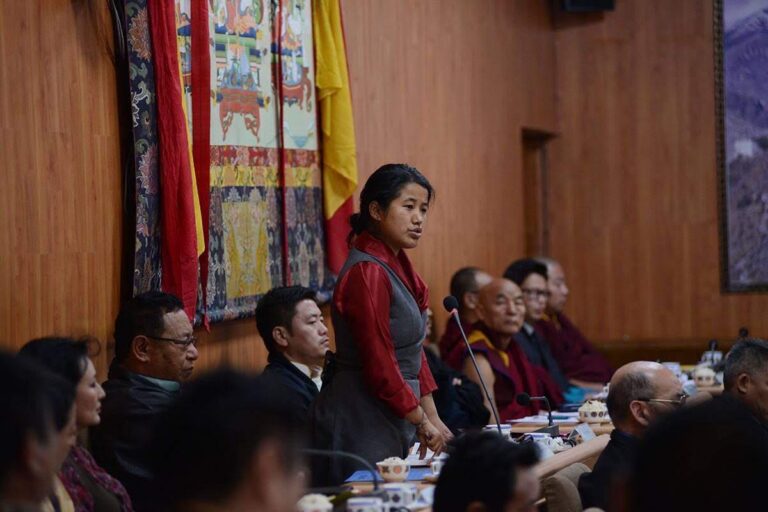
Being Tibetan: sharing culture, peace, and a democratic movement
Tibetans around the world are anxiously awaiting the outcome of the recent parliamentary elections. Our Local Correspondent in India, Ashima Kaul, spoke to two election hopefuls, Jigdal and Kalsang. They shared their views on being refugees, continuing the legacy of a democratic movement, and their hopes for more proactive engagement with China.
-
Engendering the Tibetan narrative: Women’s voices, experiences and perspectives
In this article for International Women’s Day 2021, our local correspondent in India, Ashima Kaul, writes about the women in Tibet standing for justice and creating peace.
-
Passing the baton: The next generation of Tibetans building peace in exile
On January 3rd 2021, Tibetans in exile all over the world voted in the preliminary round for electing their Sikyong (President) and the 17th Parliament in exile for the next five years.* In this article, our Local Correspondent in India, Ashima Kaul, spoke to four young Tibetans on how they see the next generation as a key part of building peace and democracy in Tibet.
-
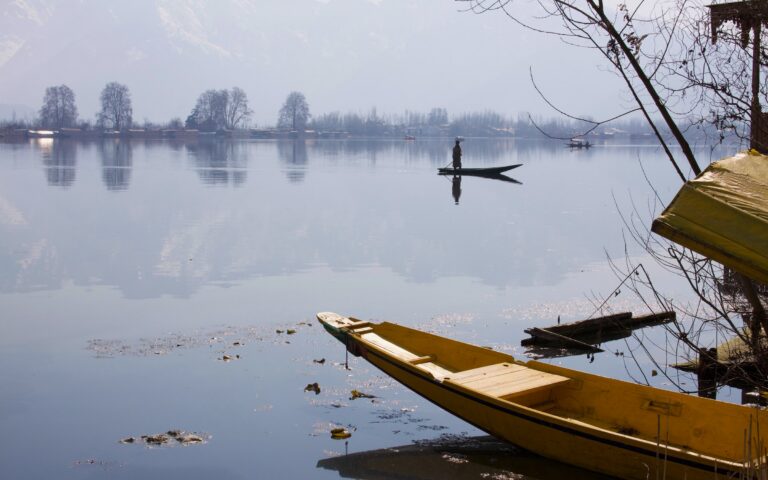
Creating space from the margins: A renewal of peacebuilding in Kashmir Valley
Recent events and others like it are major setbacks for minority groups in Kashmir, this article sheds light on how this period of transition is providing opportunities for healing, and reports on the organisations attempting to usher in renewed energy for peacebuilding.
-
Travels across Kashmir and Ladakh: a frank perspective
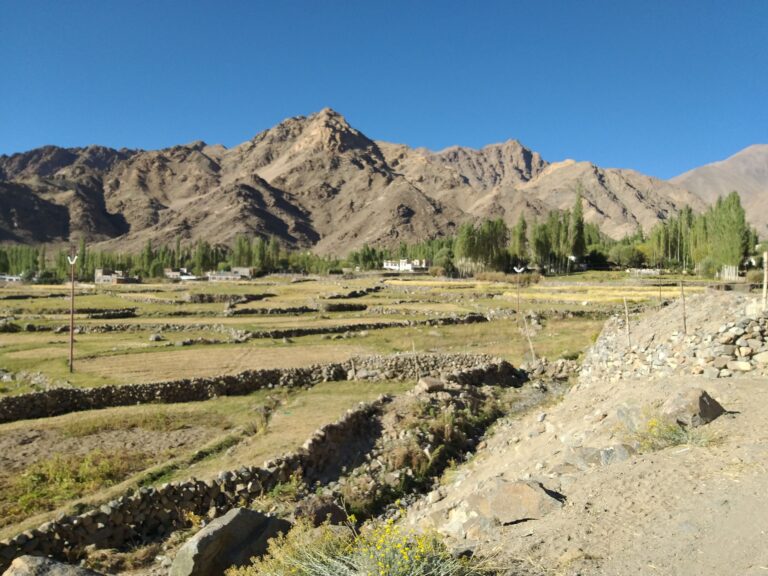
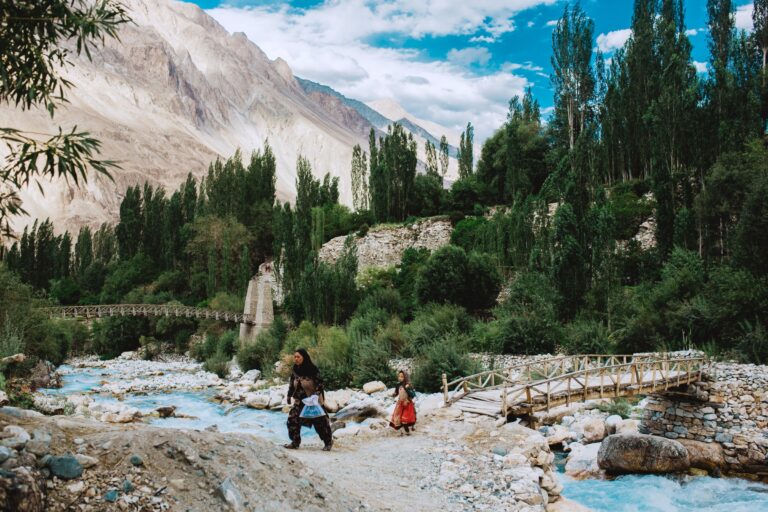
On August 5th 2019, the Jammu and Kashmir Reorganization Bill revoked Article 370 and 35A, splitting the state of Jammu and Kashmir into two Union Territories, Ladakh and Jammu and Kashmir. Ashima Kaul, our Kashmir Local Peacebuilding Expert, travelled to Ladakh to interview local peacebuilders on how this has affected their community.
-
Mothers, martyrdom, violent extremism and ‘azadi’ in Kashmir
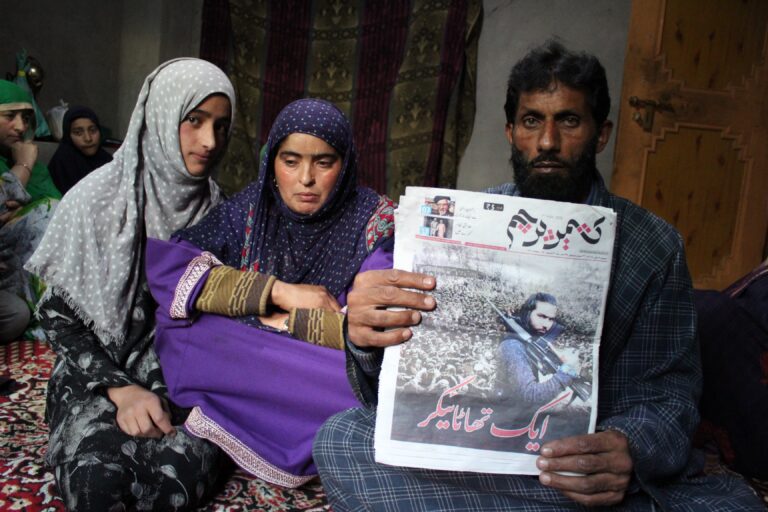
There has been a rise in violence in Kashmir, amid claims of a growing culture of martyrdom that is beginning to form the new driving narrative for militancy and violence. This glorification of martyrdom as seen in Kashmir has its roots in growing violent extremism, the recruitment of young men to violence, and militarisation. This article takes up the issue by looking at the role of mothers giving up their sons for the cause, and finding their own agency in a patriarchal society through their son’s martyrdom.
-
Youth in Kashmir: a tinder box
There has been a rise in violence in Kashmir, amid claims of a growing acceptance of these killings in the public psyche. This article seeks to shed light on the roots of the violence, one of which stems from an increase in recruitment of young people into militant groups. The author describes young people in Kashmir as a tinder box, with the potential both for violence, and for sparking movements to peace. Their actions carry the possibility of provoking conflict, but also the means to turn against it.
-
Building an organic dialogue process in Kashmir
A new round of dialogue and political engagement has been launched in Jammu and Kashmir. Despite some boycotts, a large number of stakeholders are involved. This process is taking place at a time of broader tensions in Kashmir Valley where an increasingly radicalised youth and active terrorism threatens to spiral the situation out of control. In this context, can an organic dialogue take root?
-
Doors of dialogue and windows of mind: conflict and deadlock in Kashmir – part two
More than three months since violence broke out in Kashmir over the death of militant leader Burhan Wani, the situation remains grim. Schools are shut, hundreds have been arrested and the government response has increased feelings of separation and anger.