Using puppets to foster peace in Bosnia and Herzegovina
Prejudice among schoolchildren in Bosnia and Herzegovina may be even greater now than before the Balkan Wars of the 1990s. Alizée Gau reports.

Prejudice among schoolchildren in Bosnia and Herzegovina may be even greater now than before the Balkan Wars of the 1990s. Alizée Gau reports.
How local organisations in Bosnia are using the arts to encourage reconciliation and forgiveness.
Acknowledging the crimes of the past is a difficult but vital step to build lasting peace, says Goran Simic
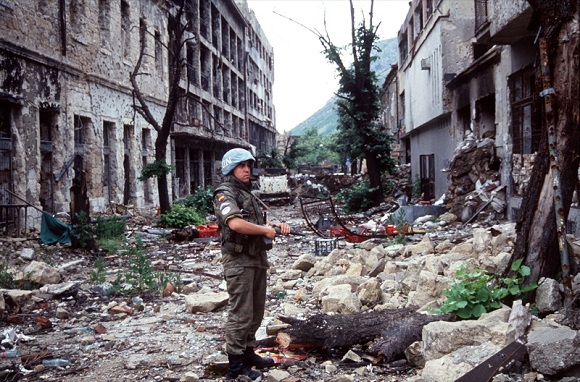
The ICTY was established in the years after the conflict in the Balkans to bring war criminals to justice. But has it failed in bringing justice to the victims?
Fifteen years on from the end of violent conflict in Bosnia and Herzegovina, the consequences of war still exert a heavy influence over society. In the absence of a civic conception of state, the ethnicisation of society continues apace; leading many to describe today’s divisions as being as wide as at any point since 1995. Tuzla is home to some 180,000 citizens, including many displaced by the conflict of the early-nineties. In spite of the demographic turbulence that BiH has endured, Tuzla has remained largely multi-ethnic in composition, with Bosniaks (Bosnian Muslims), Croats and Serbs residing side-by-side.