Open letter: Stand with Civil Society
Urgent call for support, solidarity and systems change from global civil society in light of funding cuts.

Urgent call for support, solidarity and systems change from global civil society in light of funding cuts.
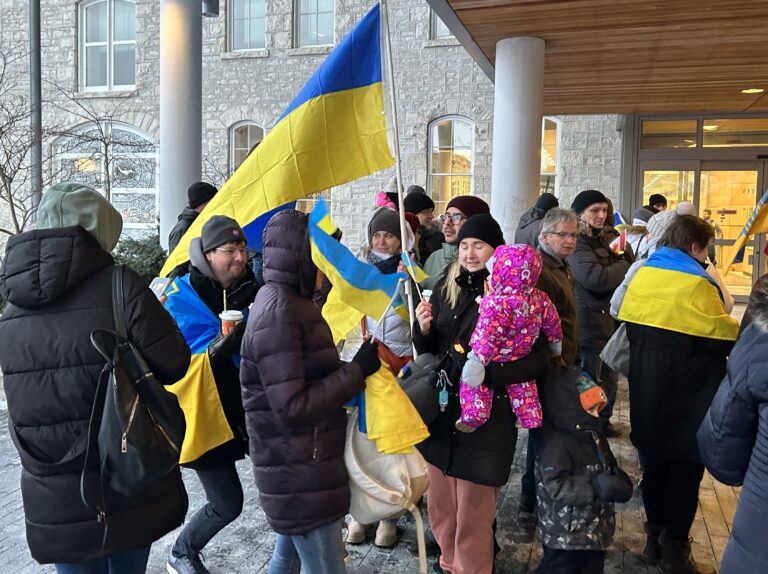
2025 marks the third anniversary of Russia’s war on Ukraine. As we enter the fourth year of the full-fledged war, pain, courage, resistance, hope are words which define the best nowadays feelings. The three past years have exhausted Ukrainian civilians and civil society, volunteers, and donors. Everyone hopes for the stop of the war, or at least to stop active military actions. Both international aid and donations to civil society organisations are diminishing month after month – due to fatigue, economic problems, an uncertain future, political decisions and an increasing level of corruption. But as a habit, Ukrainians express their anger towards the war through daily donations to support the army, even though the amount given has decreased.
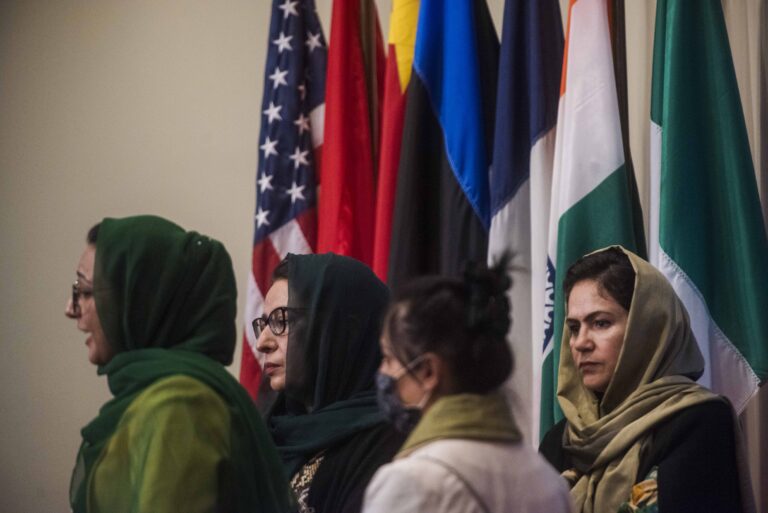
The situation facing women and girls has continued to worsen under Taliban rule, particularly following the December 2022 ban on women working for non-governmental organisations (NGOs). A survey of women across the country, led by Peace Direct’s national partner*, cements the harsh picture presented by various global networks and media. Yet, in the face of restrictions, local civil society and women’s rights organisations (WROs) continue to operate and are calling on international partners to support their efforts.
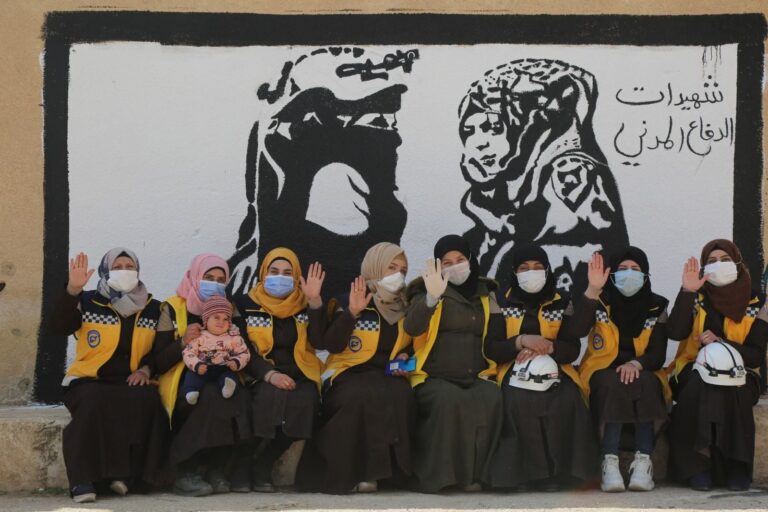
In this article, our local peacebuilding expert* from Syria reflects on the decade since the start of the war in Syria. Despite ten years of devastation, she shares how activists across civil society are still working relentlessly to rebuild the country and find peace.
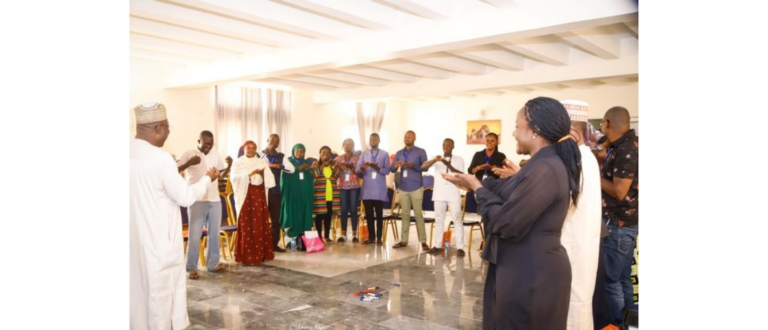
In this article, peacebuilder Ada Ichoja Ohaba describes how the tables need to be turned to make peacebuilding more community centric. More trust and support must go to civil society and local groups to generate solutions to their problems, and partnerships must be equitable, and based on sustainability and respect.
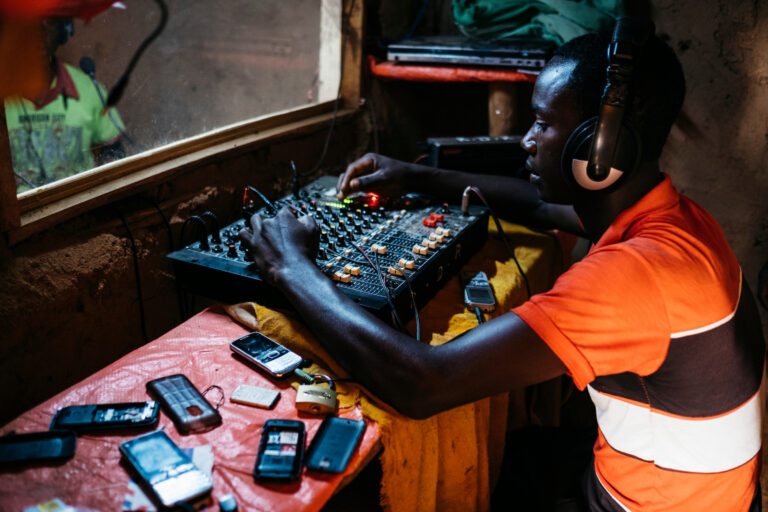
Our new report, ‘Broadcasting Peace: Insights and lessons from local peacebuilders in Eastern DRC’, shares insights from local civil society groups, and maps local peacebuilding efforts amid rising violence in the country.
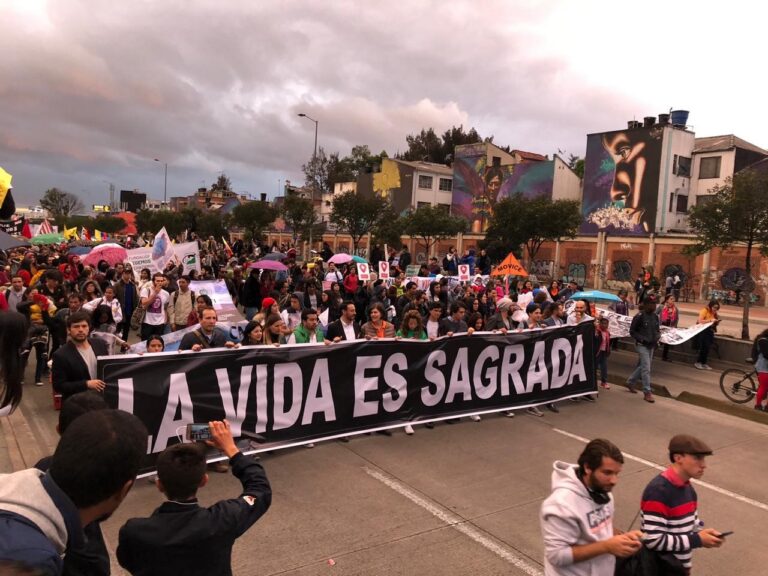
Peacebuilding in Colombia has a long history, and not all efforts in this field are linked to the current peace implementation process. One of our local peacebuilding experts shares six ways that civil society is enhancing peacebuilding. She hopes that this will help other grassroots actors learn about the attitudes and tools required to lead the country to sustainable peace, thinking of a long-term process and sustainable results that start from the local level.
‘Opportunities for Peace in Kismayo, Somalia, is the latest in our series of ‘Local Voices for Peace’ reports, the aim of which is to raise the profile of civil society perspectives on peace and conflict.
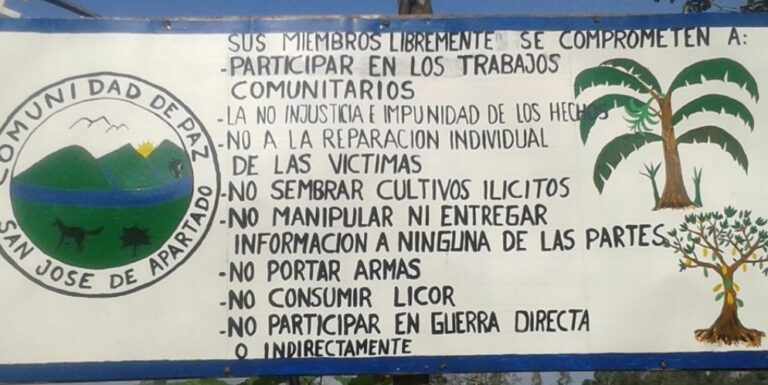
The Colombian Peace Agreement (CPA) is known as being the most inclusive peace deal to date, as several civil society organizations partook in the negotiation process and helped in drafting the final agreement. Two years later into the peacebuilding process, how inclusive is the implementation of Colombia’s peace?
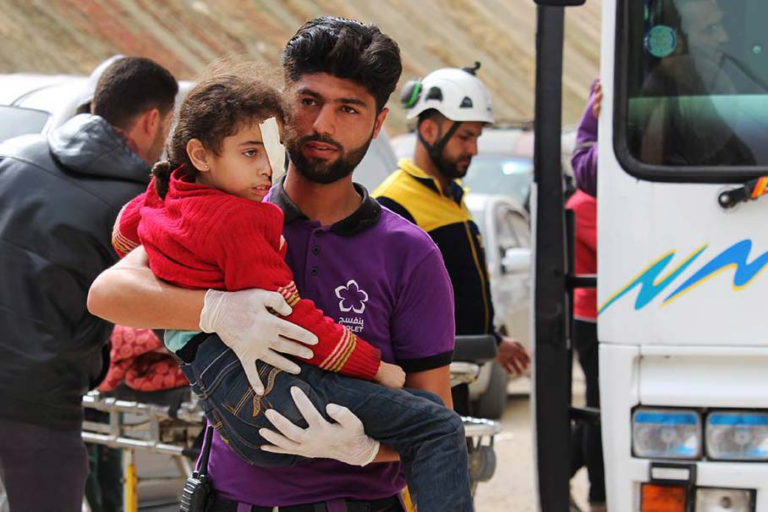
Peace Direct, together with The Syria Campaign, have launched an interactive report looking at the heroic role of civil society in the Syrian province of Idlib, who support 2.6 million civilians. Determined and highly effective, they are proving another Syria is possible. These are their stories.
The death of Morgan Tsvangirai, Zimbabwe’s long-time opposition leader, has left Zimbabwean civil society in limbo – and his party now has to manage a precarious leadership transition ahead of landmark presidential elections.
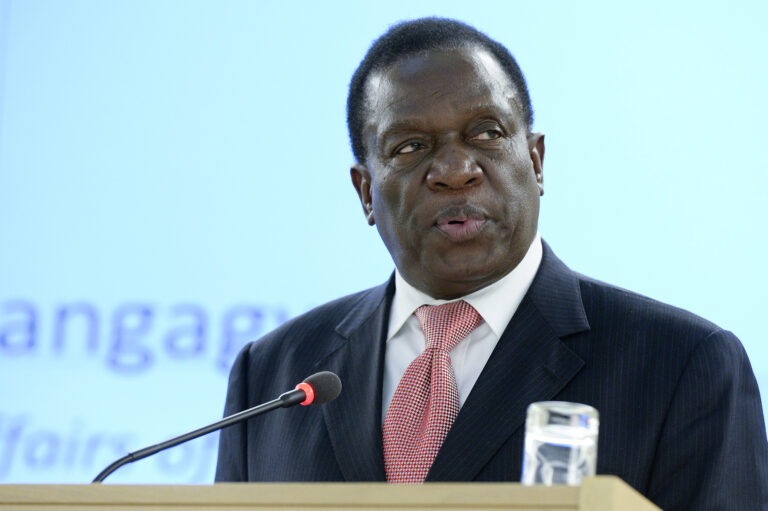
As Zimbabweans celebrate the end of an era, the country’s new President Emmerson Mnangagwa has vowed to serve all citizens. Zimbabwe’s civil society responds with a set of expectations and requests for his new government.