Committed to peace or creating further conflict? The case of Kenya’s local peacebuilding committees
Louise Khabure discusses Local Peace Committees in Kenya.

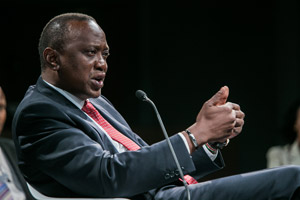
Louise Khabure discusses Local Peace Committees in Kenya.

What does decreasing availability of water mean for peacebuilding?
This month’s edition features articles peacebuilding evaluation, women’s access to justice in Afghanistan, and more.
This month’s edition features articles on local roles in development, civil society in Cyprus and more.

Jane Lawson explores the impact and importance of refugee peace programmes in post-conflict regions
This month’s edition features articles on local ownership in Afghanistan, traditional conflict resolution in East Africa and more
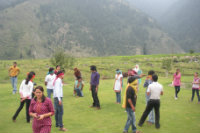
A peacebuilder shares reflections participating in workshops with Kashmiri young people.
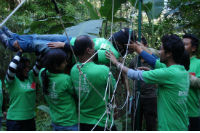
Despite 10 years of armed, conflict peacebuilding organisations in Nepal worked tirelessly promoting dialogue, mediation and negotiation.

Jaimie Grant argues for the need for cultural considerations in peacebuilding, alongside the technical aspects
One of the biggest challenges in the field of peacebuilding and conflict resolution is finding financial support from donors. Every year, billions of dollars are invested in organizations and institutions that support conflict, whether directly or indirectly. But getting funders to think about peace, not war, is hard since the results are often delayed and connecting projects to their long-term effects can be difficult. There has never been a greater need for investments in development, conflict prevention, and post-conflict reconstruction—all areas that contribute to the promotion and maintenance of peace.
Paix sans frontières building peace across borders; Theories of conflict resolution and their applicability to Afghanistan; Social Embeddedness and Conflict Potential; Kenya’s peaceful referendum and challenges for the 2012 elections; Community-Based Peacebuilding: Exploring the limitations of a promising approach; The Complexities of Culture and Reconciliation in Burundi; Salam Shabab: Views and Voices of Iraqi Youth
International aid agencies are challenged today by a survey of over 1,000 of their developing-world partners, who want more control over solving their own countries’ problems.