Peace Connect: Self-care, decolonisation & peacebuilding
Natalia Peláez Pérez shares her experience and reflections after attending Peace Connect, a global gathering of local peacebuilders hosted in Nairobi, Kenya, in October 2025.

Natalia Peláez Pérez shares her experience and reflections after attending Peace Connect, a global gathering of local peacebuilders hosted in Nairobi, Kenya, in October 2025.
The UN’s latest appointment underscores a critical question, are we celebrating words or the tangible work of those restoring peace on the ground?
The Dogo Nahawa massacre scarred the collective memory of Plateau State, Nigeria. But amid the pain and grief, courageous individuals have risen to confront the cycle of violence with unwavering determination and a commitment to peace. These local peacebuilders have become beacons of hope, resilience, and healing for communities torn apart by violence.
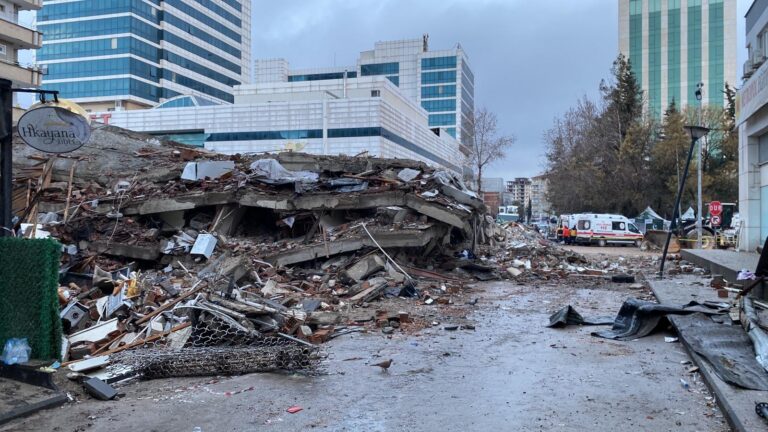
Sawssan Abou-Zahr describes the impact of the 6 February Türkiye/Syria earthquakes on the mental health and work of surviving local peacebuilders.
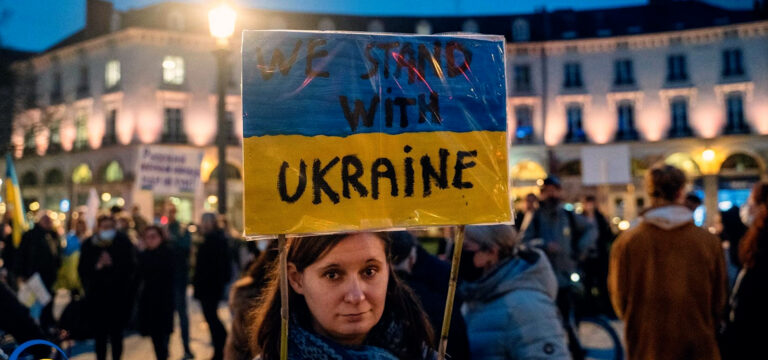
To better understand local initiatives and shed light on the work of local peacebuilders, we produced a series of videos: “Portraits of the war in Ukraine” covering the first 6-8 months of the war. As well as highlighting the work of peacebuilders and volunteers who supported Ukrainians across Europe, we also heard from Ukrainian refugees about their experiences of the war, forced displacement and life abroad.
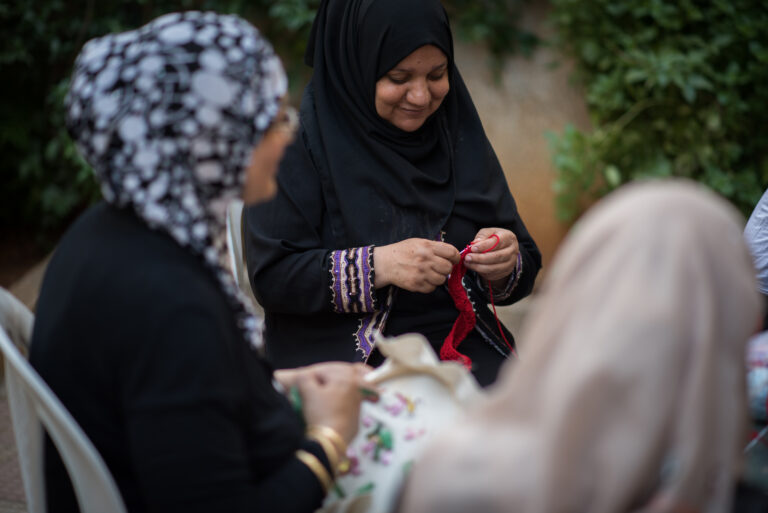
Peacebuilders and feminists must also realise they are not in a competition against each other for donors’ money or international exposure. There is a lot of work to do for women, refugees and all the marginalised in this country and worldwide. They could achieve it together, sharing share expertise and resources, dismantling all forms of patriarchy.
On June 22nd, Principles for Peace and Peace Direct invite local activists, changemakers, organizers, healers, and peacebuilders to a one-day conversation on ‘Local Ownership in Peace Processes.’ This will be the first in a series of consultations on the issue.
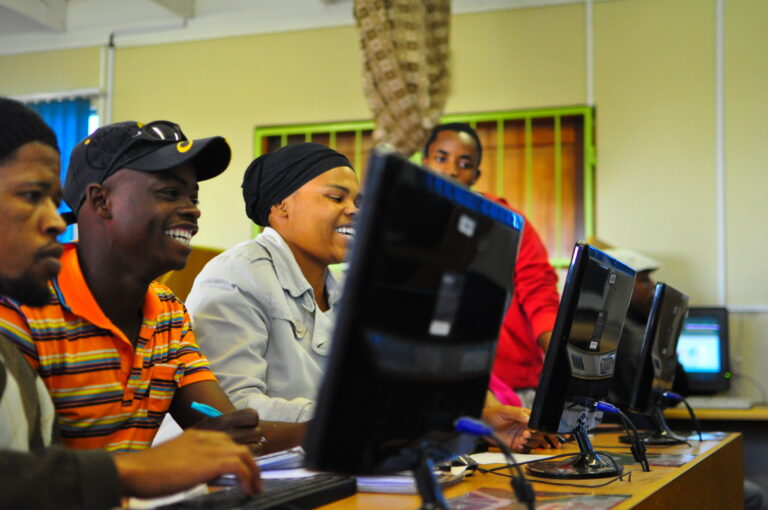
The latest in our series of ‘Local Voices for Peace’ reports, ‘Digital Pathways for Peace: Insights and lessons from a global online consultation’, shares perspectives from local peacebuilders on the benefits and challenges of using technology to build peace, and offers recommendations for policymakers, donors and civil society to harness the capabilities digital technologies offer.
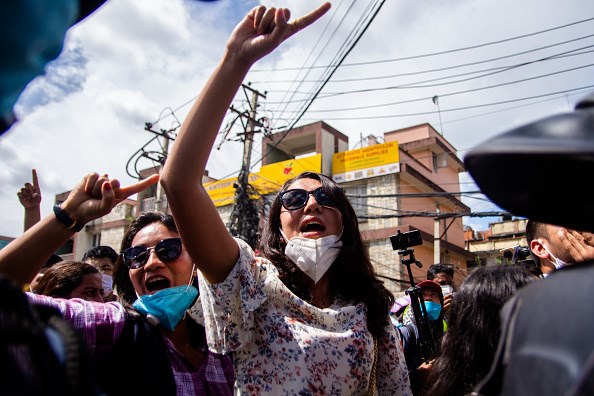
The global spread of COVID-19 has drastically disrupted our ways of life. This impact is mostly felt in fragile contexts where a combination of prolonged armed conflicts, bad governance, and inadequate healthcare systems have predisposed these nations for much more devastating effects of the pandemic. Peace journalist Christian Cito Cirhigiri reflects on what can be done to support peacebuilders.
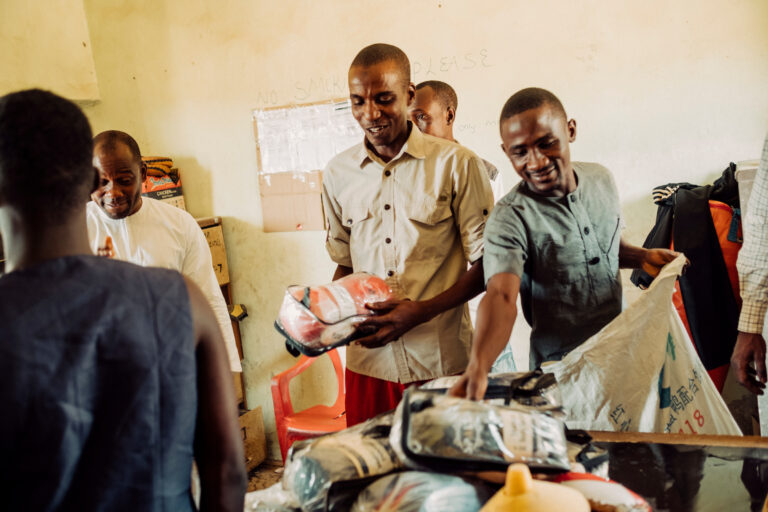
We convened more than 400 peacebuilders from around the world in online consultations to discuss how the current COVID-19 crisis is impacting their work, changing their needs, and shaping their perspective.
Our latest report shares the key findings from the consultations, as well as recommendations from peacebuilders from around the world.
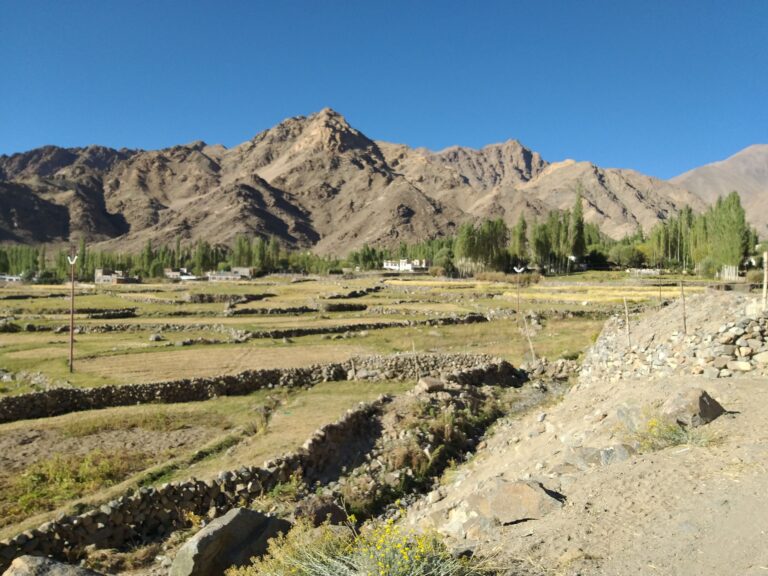
On August 5th 2019, the Jammu and Kashmir Reorganization Bill revoked Article 370 and 35A, splitting the state of Jammu and Kashmir into two Union Territories, Ladakh and Jammu and Kashmir. Ashima Kaul, our Kashmir Local Peacebuilding Expert, travelled to Ladakh to interview local peacebuilders on how this has affected their community.
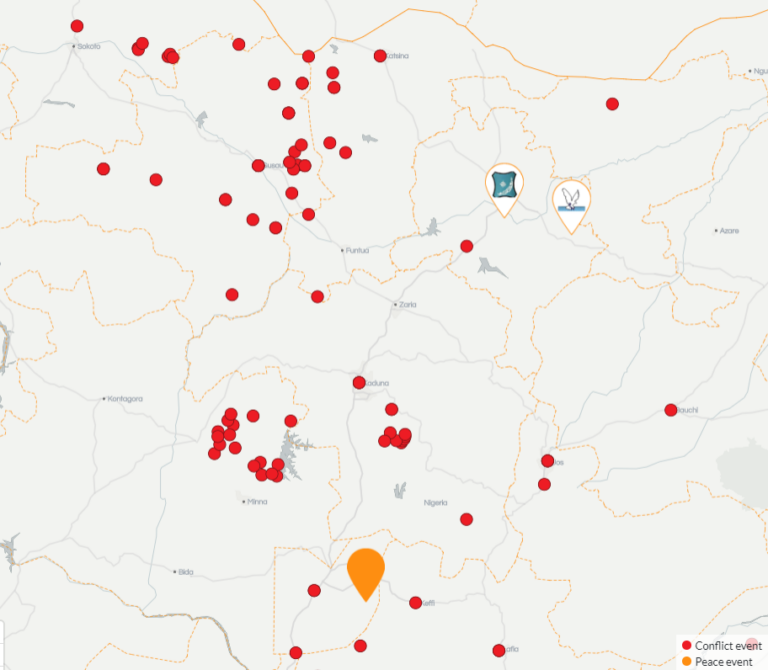
In this quarterly edition, Local Peacebuilding Experts from Afghanistan, Central African Republic, Colombia, India (Kashmir), Lebanon, Mali, Nigeria, Pakistan, Syria and Ukraine provide their latest analysis of conflict in their areas – and what it means for peacebuilders.