Surviving the Türkiye/Syria earthquakes: trauma and adapted peacebuilding
Sawssan Abou-Zahr describes the impact of the 6 February Türkiye/Syria earthquakes on the mental health and work of surviving local peacebuilders.

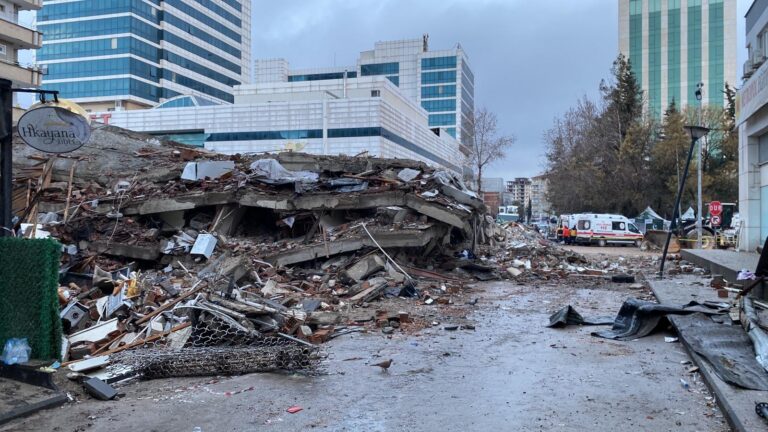
Sawssan Abou-Zahr describes the impact of the 6 February Türkiye/Syria earthquakes on the mental health and work of surviving local peacebuilders.
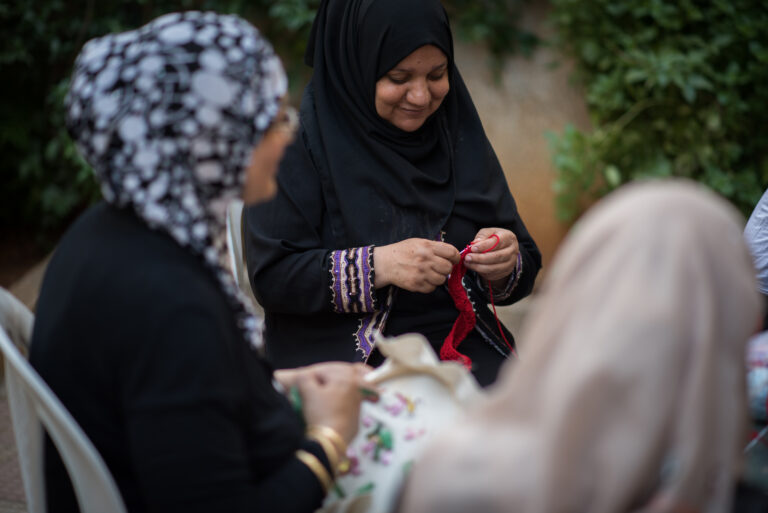
Peacebuilders and feminists must also realise they are not in a competition against each other for donors’ money or international exposure. There is a lot of work to do for women, refugees and all the marginalised in this country and worldwide. They could achieve it together, sharing share expertise and resources, dismantling all forms of patriarchy.
A newsflash about Ukraine describes how a smaller country is invaded by a big, hostile neighbor. Well, this was also the case with Kuwait and Iraq, and Lebanon with Syria and Israel.
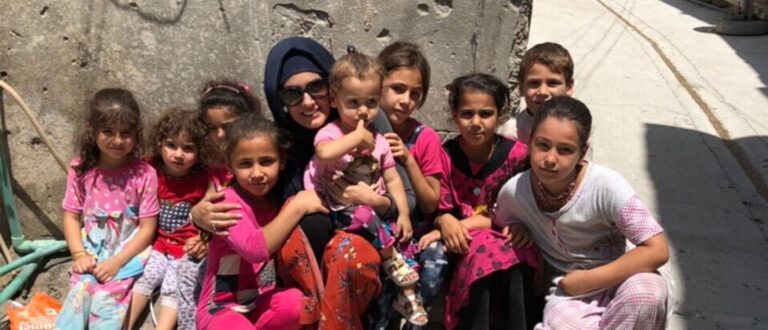
Noor Ghazi was born and raised in Iraq’s capital Baghdad. In 2003, after Saddam Hussein was removed from power, her family left for Syria with hopes to soon return. But fighting in Iraq continued and life in Syria brought its own challenges, so Ghazi and her family traveled to the U.S. as refugees in 2008 when she was 18 years old. In a recent phone conversation, she shared her story and her belief in the power of education to create a more peaceful world.

A combination of human and natural disasters has generated a repeated wave of refugees in Somalia. Abdiwahab M. Ali and Badra Yusuf discuss the difficulties.
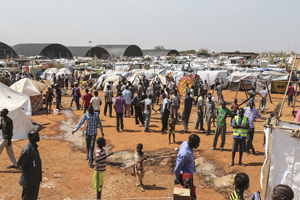
The current conflict in South Sudan cannot be understood in isolation from a long history of violence, says Ferdinand von Habsburg-Lothringen.
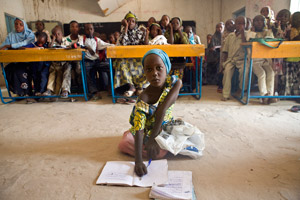
Melissa Neelakantan discusses how people in Niger are providing comfort and shelter to refugees from the conflicts in Mali and Nigeria.
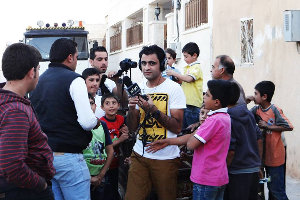
How local civil society activists are providing access to information, promoting mutual trust, and reducing feelings of insecurity in Syria.