Appel à candidatures pour le ‘Peace Exchange Mali’
Peace Direct cherche des candidatures d’organisations intéressées à prendre part dans le Peace Exchange Mali qui aura lieu du 8 au 10 mai 2018 à Bamako.

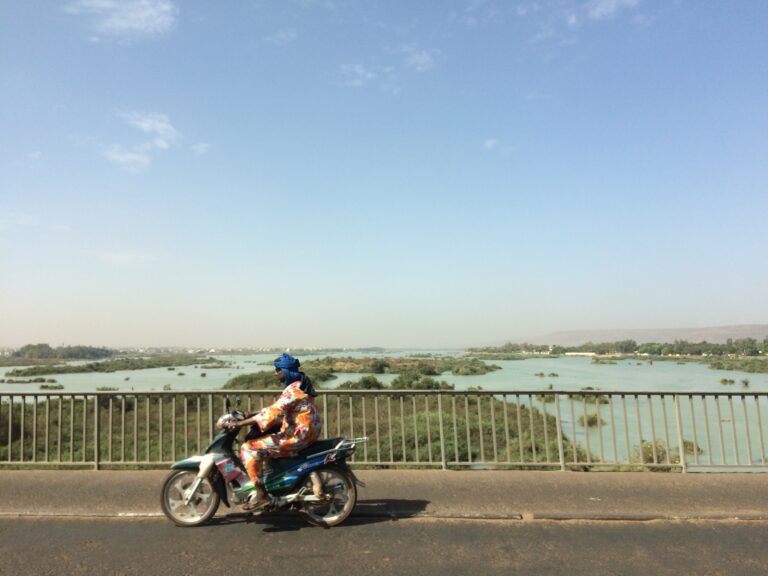
Peace Direct cherche des candidatures d’organisations intéressées à prendre part dans le Peace Exchange Mali qui aura lieu du 8 au 10 mai 2018 à Bamako.
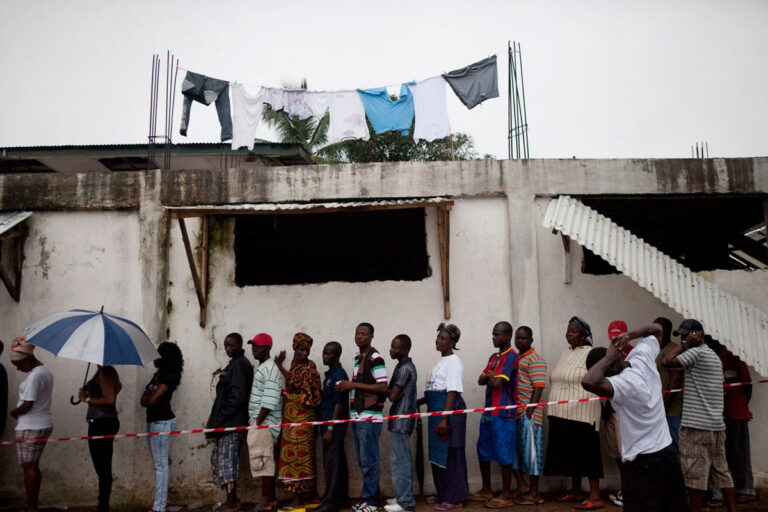
The United Nations has acknowledged that a vital element in peacebuilding is nonviolent, grassroots movements that can prevent violent conflict by providing ways for people to constructively address grievances, seek rights and advance justice. This collective action, by broad coalitions rooted in their communities, achieves success primarily through their size and diversity—that is, their inclusiveness.
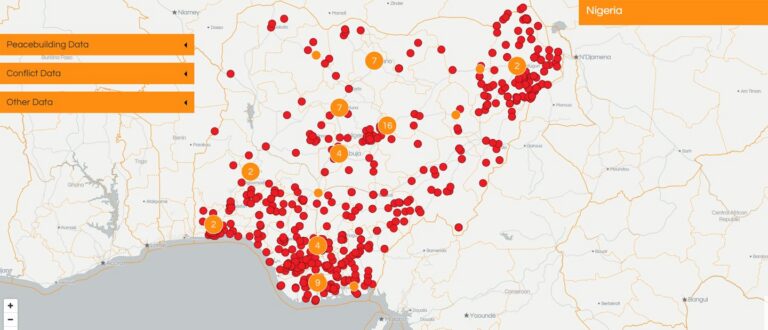
Today, Peace Insight launches a brand new tool and exciting feature: Peace Dispatch provides real time analysis on instances of violence as they happen. Peace Dispatch is a unique new feature, mapping live incidences of violence and peacebuilding initiatives. It brings together instances of violent outbreaks alongside instances of local peacebuilding, showing exactly what is being done to halt violence and build peace in the aftermath.
What lessons can forgiveness after Colombia’s 50-year war have for the USA? Ariel Safdie analyses the current context in the country, and encourages us all to play a part in building bridges and being peacebuilders in a world that appears to be increasingly divided.
International Refugee Rights Initiative (IRRI) published a new report about violence and displacement in the Kasai region of the Democratic Republic of Congo (DRC). It describes how attacks by a militia were followed by abusive military operations and mass killings by a pro-government militia, causing the death and displacement of hundreds of thousands.
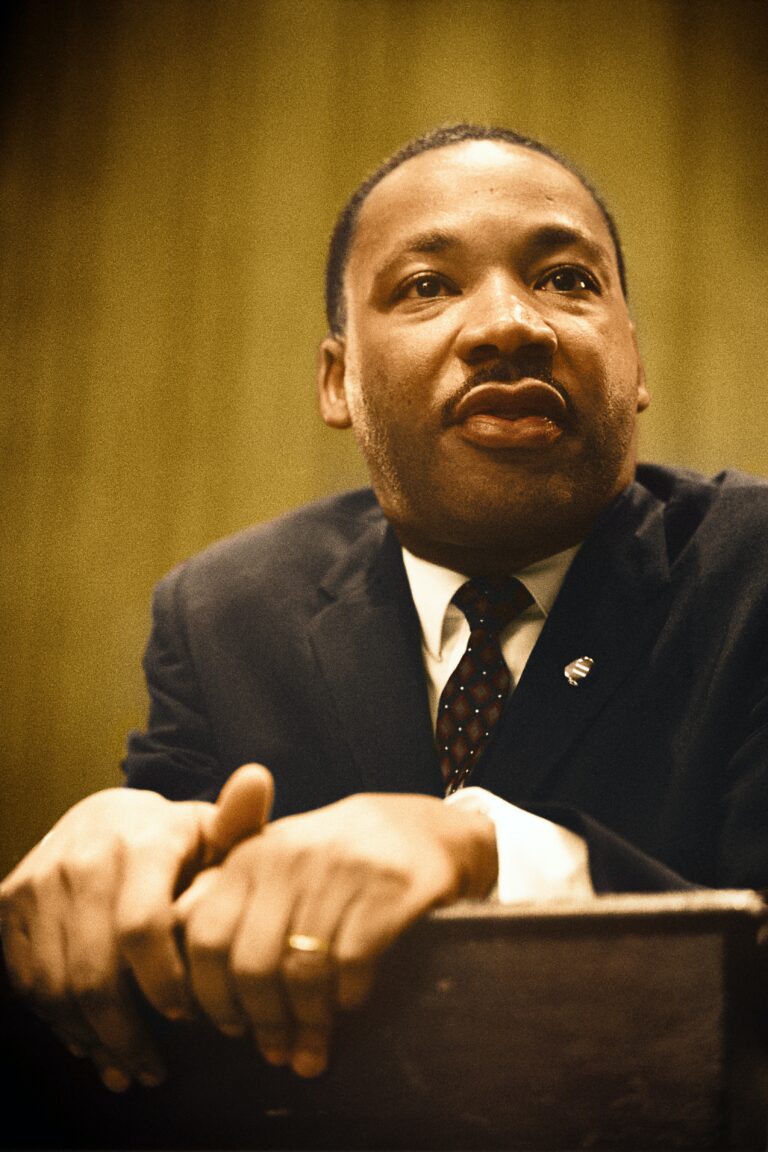
As we celebrate Martin Luther King Jr., Peace Direct and the Alliance for Peacebuilding are launching a new effort to support local peacebuilding in the US.
Social expectations about masculinity both shape and are shaped by conflict. A programme being run in Lebanon creates safe spaces where young men can think critically to challenge harmful ideas and redefine masculinity in order to create a more socially just and equal world.
A new round of dialogue and political engagement has been launched in Jammu and Kashmir. Despite some boycotts, a large number of stakeholders are involved. This process is taking place at a time of broader tensions in Kashmir Valley where an increasingly radicalised youth and active terrorism threatens to spiral the situation out of control. In this context, can an organic dialogue take root?
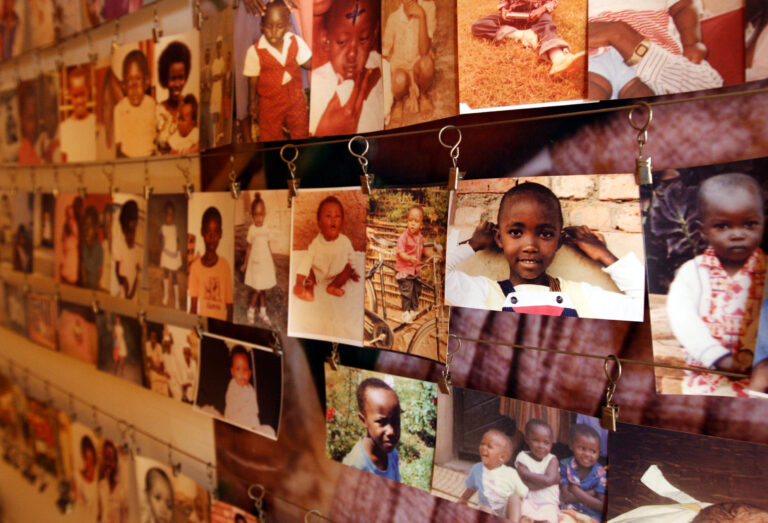
Within a 100-day span in the spring and summer of 1994 the Rwandan genocide claimed the lives of more than 800,000 Tutsis and their sympathisers. A generation has since past yet Rwandans, old and young alike, are continuing to experience post-genocide trauma. Why is this the case and what can be done to counter this enduring trauma?
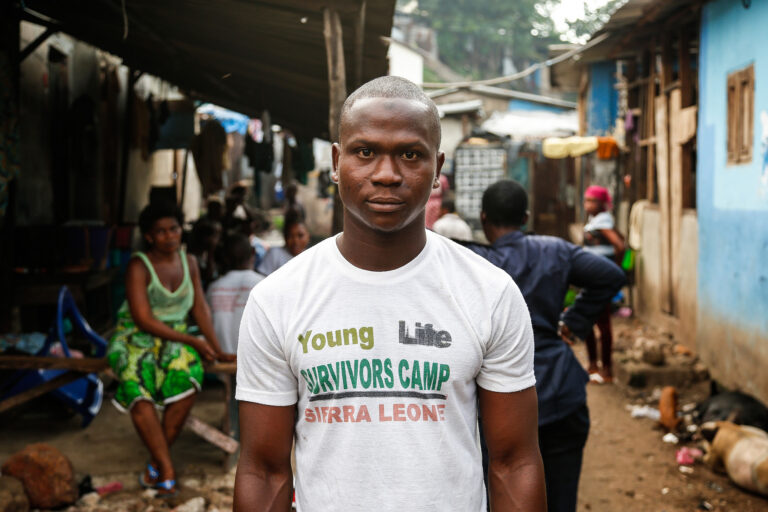
Eleven years of civil war and the Ebola disease has made many in Sierra Leone sensitive to issues that could renew conflict, particularly conflict along religious lines. A recent clash between Christian and Muslim religious leaders has caused concerns further violence could erupt. But when does crackdown on potential violence infringe upon religious freedoms? And what role should civil society play in mediating these tensions?
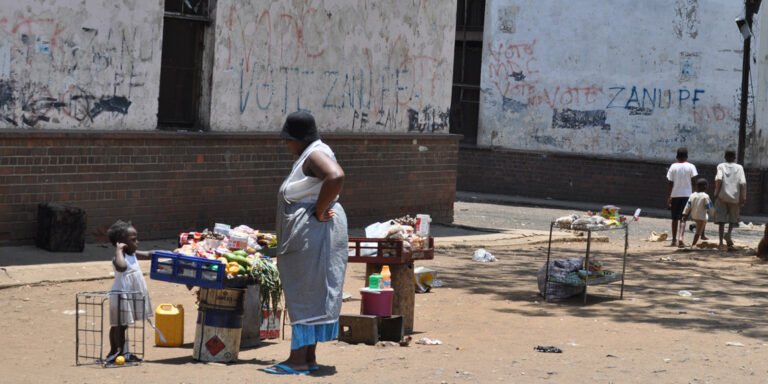
Edward Chinhanhu, our Local Peacebuilding Expert, provides an urgent update on the evolving situation in Zimbabwe.
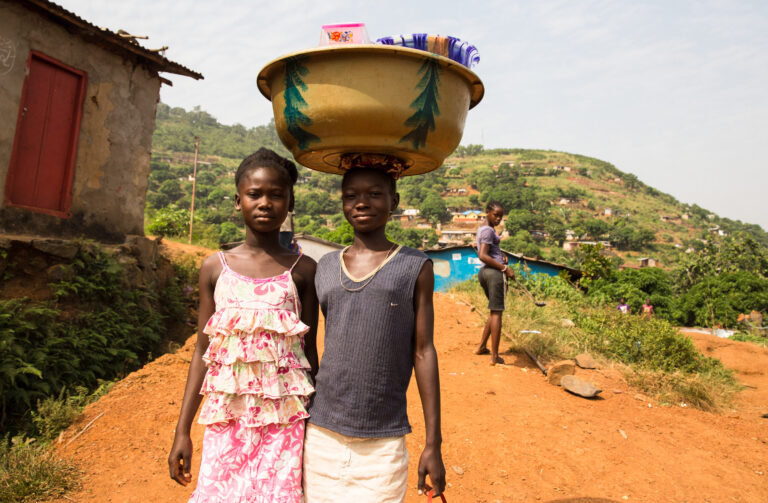
The political lens is zooming in on Sierra Leone as the country is poised to hold its next presidential and parliamentary elections scheduled for March 2018.