Build Back Better: Responding to the attack on development by offering better models of practice
Can a decolonial MEL framework provide the basis for co-creation and co-learning?

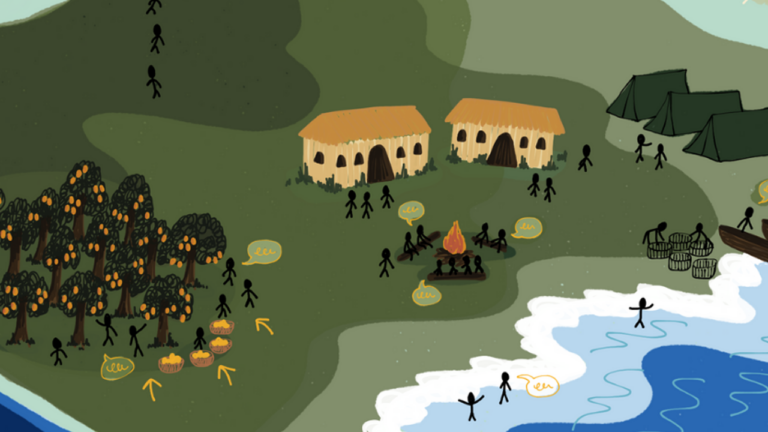
Can a decolonial MEL framework provide the basis for co-creation and co-learning?
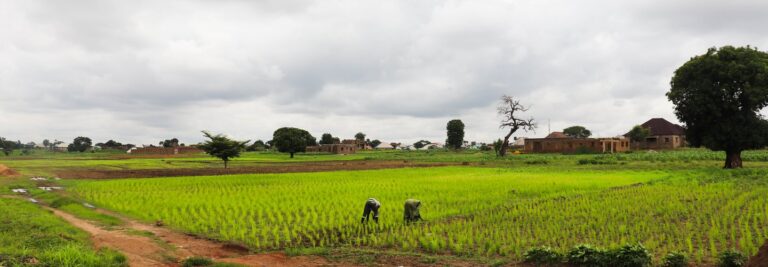
Founded in 1996 by Margret Mama, the Hope for a Village Child Foundation (HVCF), implemented an innovated peacebuilding model called the Community Peace Committee (CPC). Since 2019, it has helped build peace and security in Kaduna State, Nigeria.
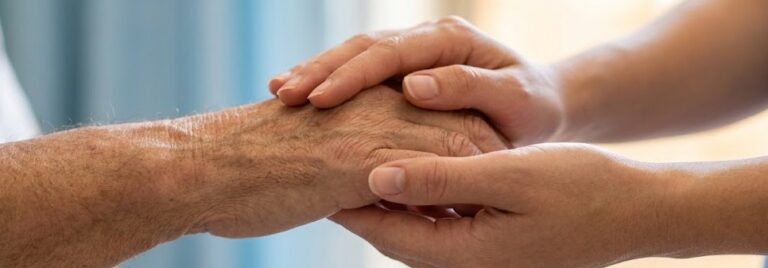
As a licensed pharmacist with two decades of professional experience navigating the complexities of Eastern Europe’s healthcare systems, I have observed a profound reality. Health insecurity directly drives deep social tension. When vulnerable families feel entirely abandoned by their local medical infrastructure, or when the fear of illness is compounded by poverty, the result expands far beyond a public health crisis. It creates a severe breakdown of social trust and civic alienation. Yet, in these exact spaces, a practical kind of peacebuilding is currently taking root. This grassroots movement is led by dedicated community health workers who bridge the gaps between marginalised citizens and the institutions built to serve them.
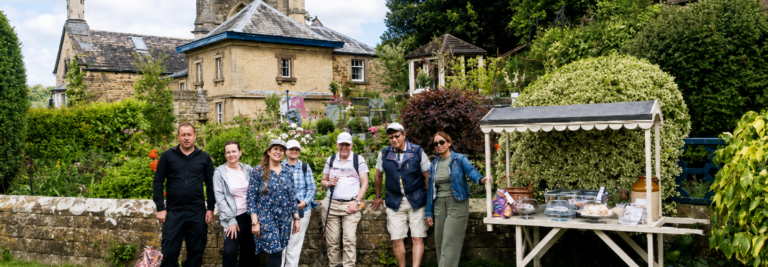
In a city shaped by migration and austerity, grassroots organisations are doing the quiet, unglamorous work of building sanctuary, one conversation at a time.
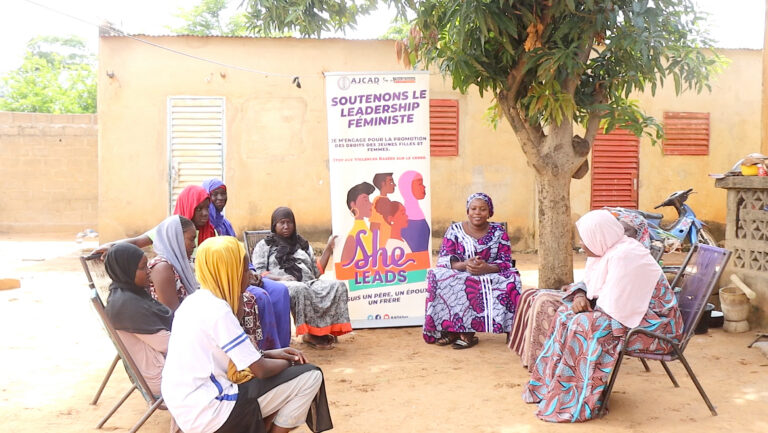
Des milliers de jeunes rejoignent AJCAD, animés par la conviction commune que la paix ne peut se construire uniquement dans les sphères politiques ou diplomatiques, mais bien au cœur même des communautés, là où les conflits sont vécus au quotidien.
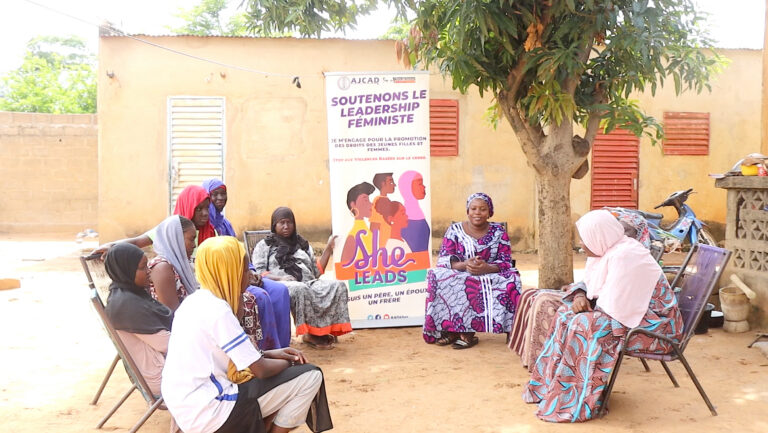
Thousands of young people are joining with AJCAD with the shared belief that peace cannot be built solely in the political or diplomatic spheres, but rather, at the heart of communities, where conflicts are experienced on a daily basis.
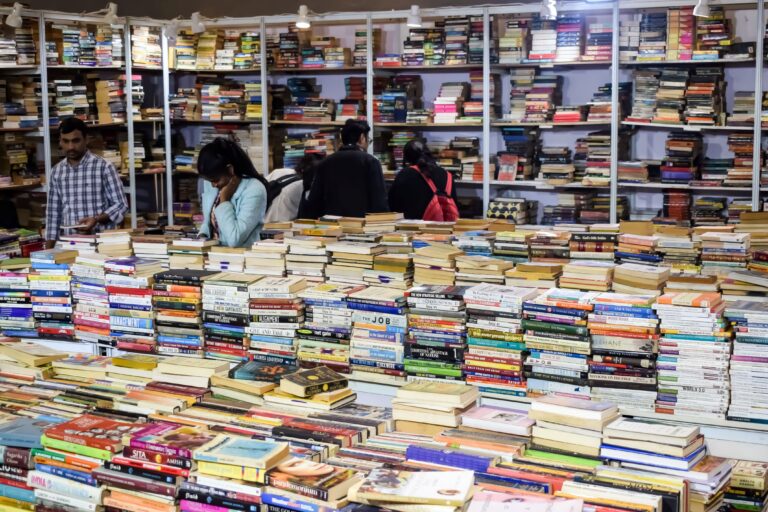
At a time of heightened polarisation in India, local peacebuilders are turning to innovative, community-rooted strategies to resist hate and further inclusion. One example of this is The Community Library Project (TCLP), a network of free libraries located across Delhi – in South Extension, Malviya Nagar, and Sikanderpur – that provide access to books and safe spaces for dialogue, critical thinking, and collective learning.The idea of the library started in 2014, when a group of college students wanted to create space for open conversations in a country where public opinion has become increasingly polarised. Set up in the premises of an NGO-run school with just a few books on politics and social science, the library was born. What began as a small act of protest has since grown into a full-fledged reading movement with over 14,000 active members. By bringing together people of all age groups, the library encourages open and respectful discussions thus helping build understanding across divides.“We don’t call ourselves a peacebuilding organization,” Mausam Kamari, Director at TCLP, says with a smile. “But when people read together, question together, and care for one another, peace is what naturally grows.”
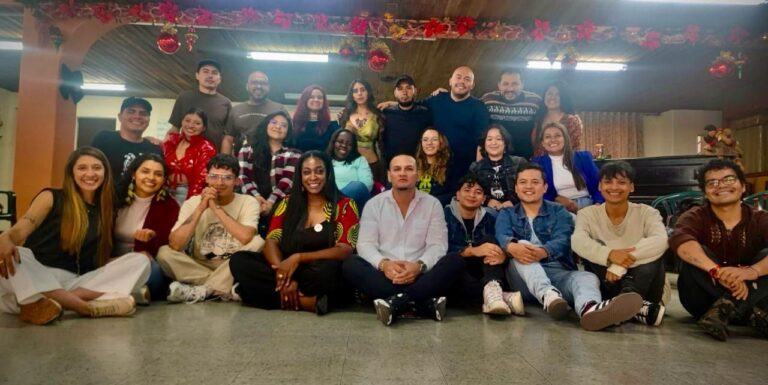
Justapaz, organización local de construcción de paz en Colombia, detalla la exitosa campaña por una alternativa al militarismo en Colombia: el Servicio Social por la Paz.
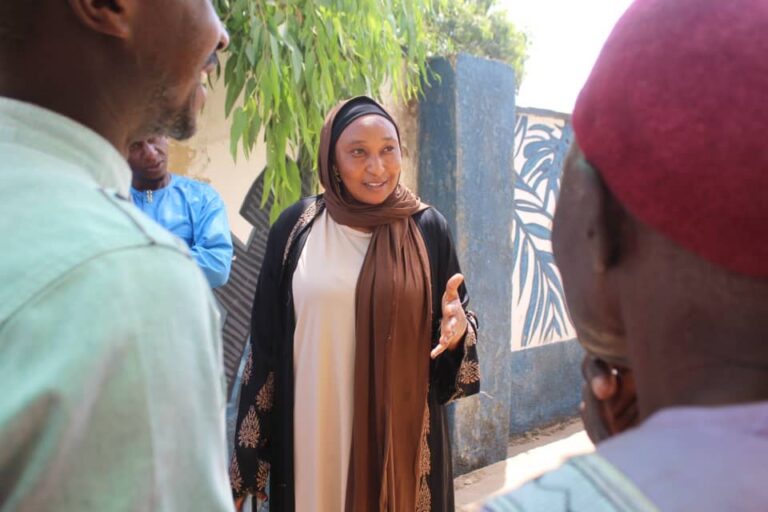
Local Correspondent Dr Prince Charles Dickson spoke to Aisha Aliyu, Executive Director for Unique Centre for Peacebuilding and Trauma Healing, about the work her organisation carries out across Nigerian Muslim communities, bringing together gender, trauma healing, and peacebuilding.
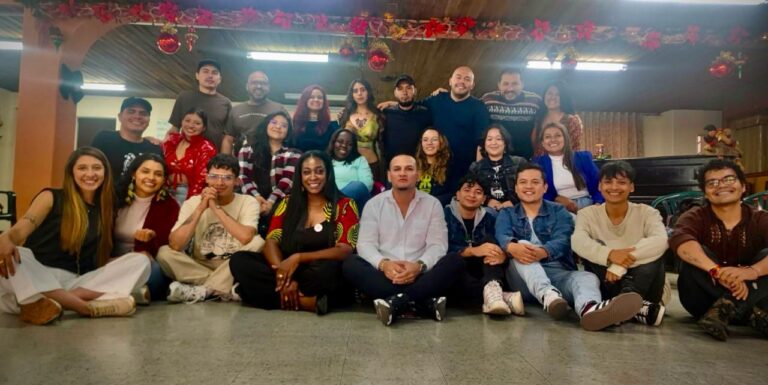
Justapaz, local peacebuilding organisation in Colombia, details the successful campaign for an alternative to militarism in Colombia: the Social Service for Peace.
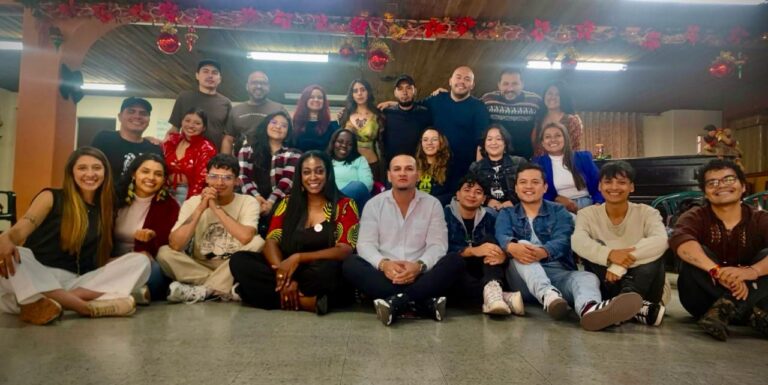
Justapaz, organización local de construcción de paz en Colombia, detalla la exitosa campaña por una alternativa al militarismo en Colombia: el Servicio Social por la Paz.
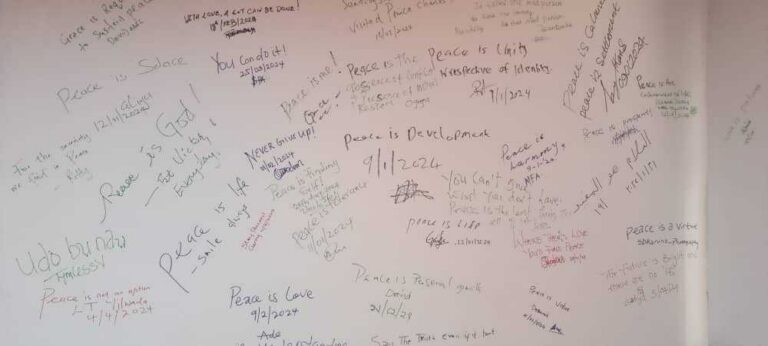
The city of Jos, Nigeria, has come a long way since the devastating crisis of September 2001. The conflict left hundreds dead and tens of thousands displaced, exposing deep-seated ethnic and religious divisions. Twenty-three years later, the scars still linger, but a beacon of hope has emerged in the form of the Peace Wall.