Rethinking ‘local’ peacebuilding amid atrocities in Gaza
Sawssan Abou-Zahr reflects on the meaning of local peacebuilding for a population facing extermination, exploring the importance of international solidarity efforts with Gaza.

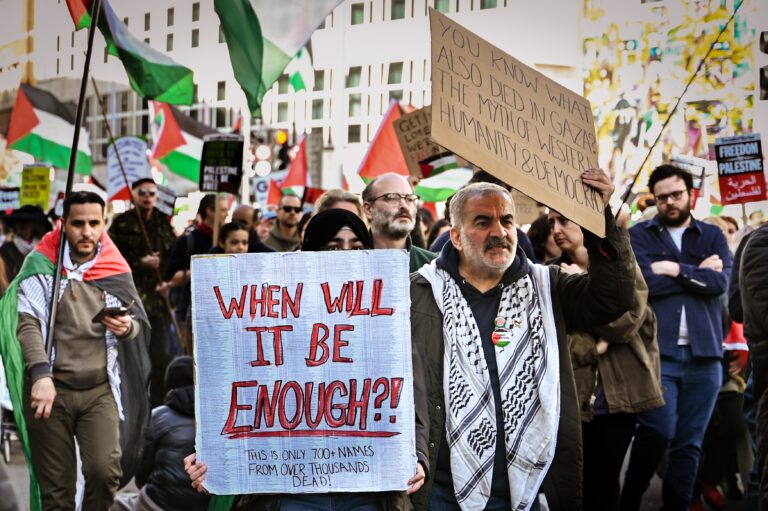
Sawssan Abou-Zahr reflects on the meaning of local peacebuilding for a population facing extermination, exploring the importance of international solidarity efforts with Gaza.
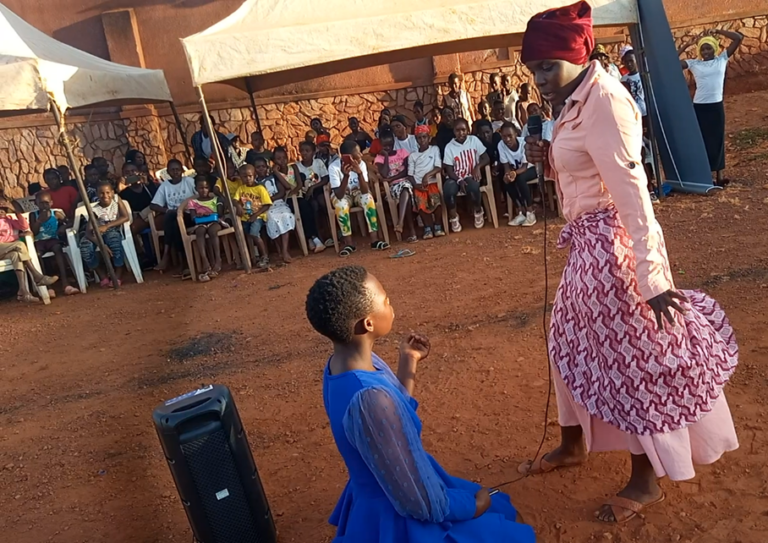
This article introduces the reader to village to ‘national accountability dialogues’ or ‘bottom-up dialogues’ that may be used to decolonize good governance, accountability and peacebuilding processes in Africa, particularly Uganda, and move away from the top-down approach that was introduced by colonialists. This article also shares with the reader the benefits of using Music, Dance, Drama (MDD) to address threats and violence against the freedom of speech and civic spaces.
To encourage youth-driven peacebuilding and provide a different narrative for relations between Armenians and Azerbaijanis in the region and beyond, the Letters for Peace program supported Armenian and Azerbaijani youth the opportunity to explore creativity and find connection.

Hkawn Maran Hpauwung set up Hparat Lund Pa Books, initially, to enable her two daughters to read stories and folktales in her native language, Kachin. While the project started on a personal note, it soon took on a broader meaning, where trilingual visual storybooks and cartoons are being used for peace.
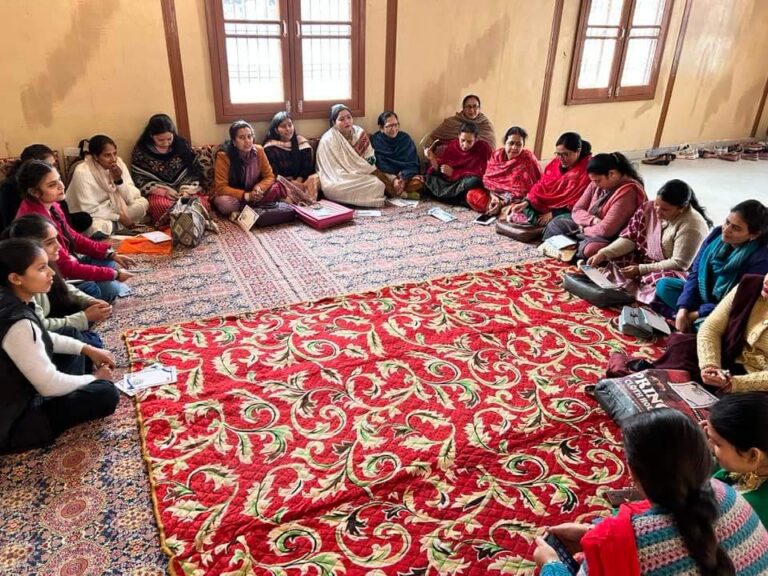
This article focuses on the methods, challenges, and key findings of the Culture and Conflict peacebuilding project in Jammu and Kashmir, implemented through the Yakjah Reconciliation and Development Network and the Gender, Justice, and Security Hub formed by the London School of Economics. The author dissects the project’s attempt to promote peacebuilding using culture, livelihood, policy and community engagement as a medium for building resilience and solidarity across the spectrum of stakeholder institutions and communities.
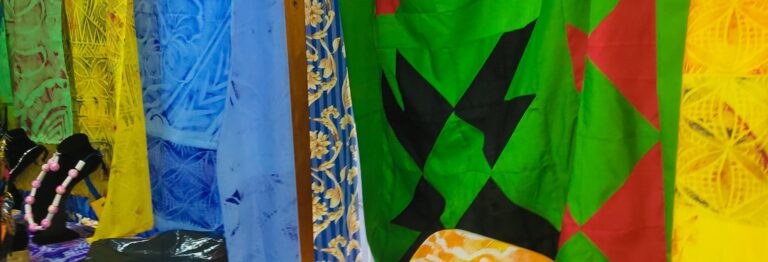
This article explores the work of Florence Swamy, Executive Director of the Pacific Centre for Peacebuilding (PCP). She works in Fiji, a society that is patriarchal and where cultural considerations are paramount especially when designing peace interventions. Florence has a long history of engaging women in peacebuilding practice within this context, and has seen the dynamics of gender in this work evolve with time.
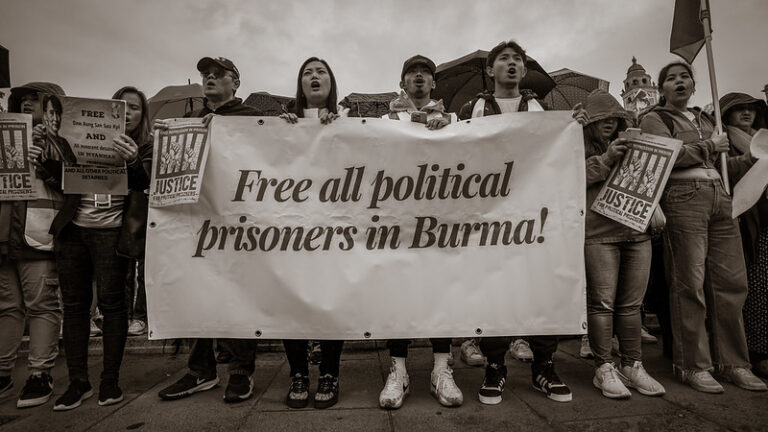
This platform for young individuals aims to educate and equip their peers, younger generations and the wider public with the necessary knowledge to comprehend the ongoing conflicts in Myanmar from both practical and academic perspectives.
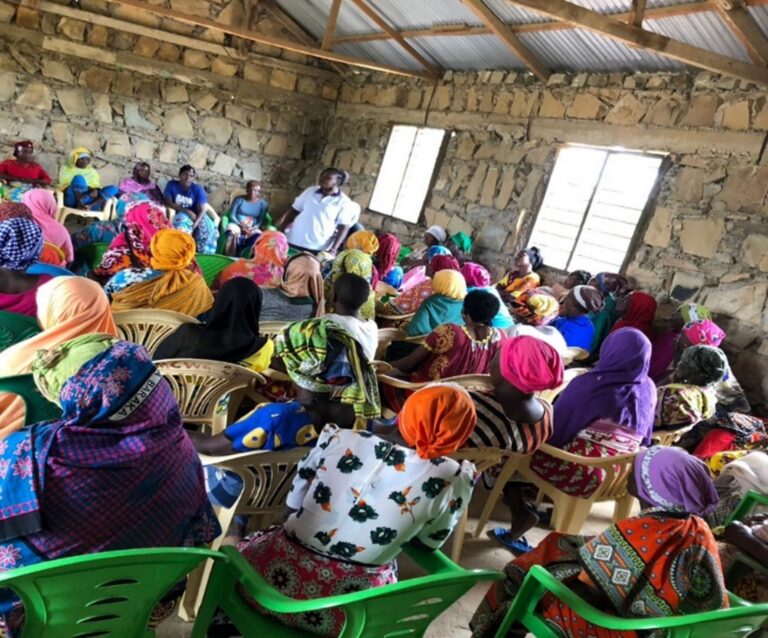
A woman-led peacebuilding organisation in Kilifi County, Kenya, is countering violent extremism through the power of creative arts. Crucially, they take an intersectional approach, focusing on decolonising language and supporting women’s role in peacebuilding.
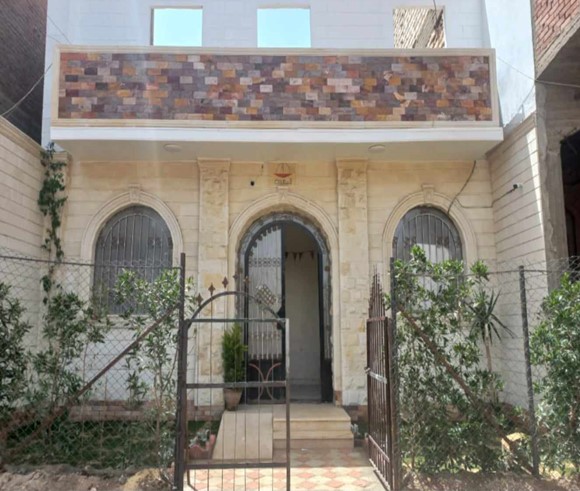
El Safina is an Arabic word that means ‘the ship’. The founders of the El Safina project chose this name to represent a Noah’s Ark for the people of Balansura, a small village in Minya, Egypt. El Safina is the first cultural centre in the village, which aims to foster peace, promote art and psychosocial support.
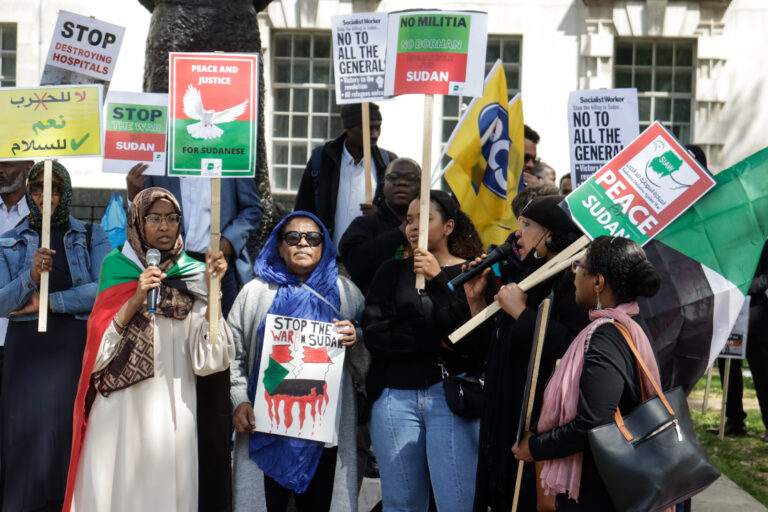
Sawssan Abou-Zahr shares the stories of two peacebuilders from Sudan who are striving to continue their work after being displaced by conflict.
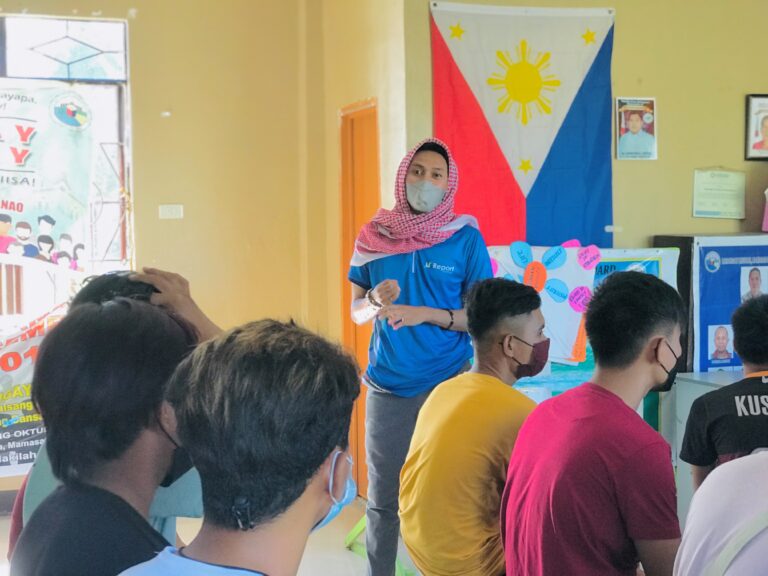
In the heart of the Bangsamoro region, where the echoes of past conflicts still resonate, a powerful force is emerging to shape a future of harmony and coexistence. It is the youth, driven by an unwavering desire to build peace in their local communities. Through their dedication and innovative initiatives, youth organisations in Bangsamoro are bringing about positive change and transforming the landscape of peacebuilding.
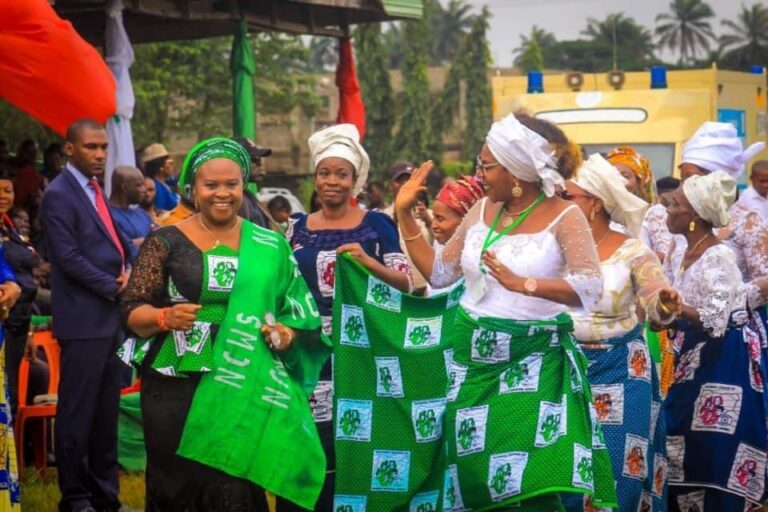
Victor Eyike highlights the efforts of the women-led peacebuilding effort, The August Meeting, in Eastern Nigeria. It is an annual event among the Igbo tribe in the Eastern part of Nigeria, intended to foster empowerment, reorientation and mobilisation of women for community building and political participation.