Local peacebuilding: What works and why
This report, a collaboration between Peace Direct and the Alliance for Peacebuilding, explores the effectiveness of local peacebuilding, sharing real and impactful initiatives from around the world.

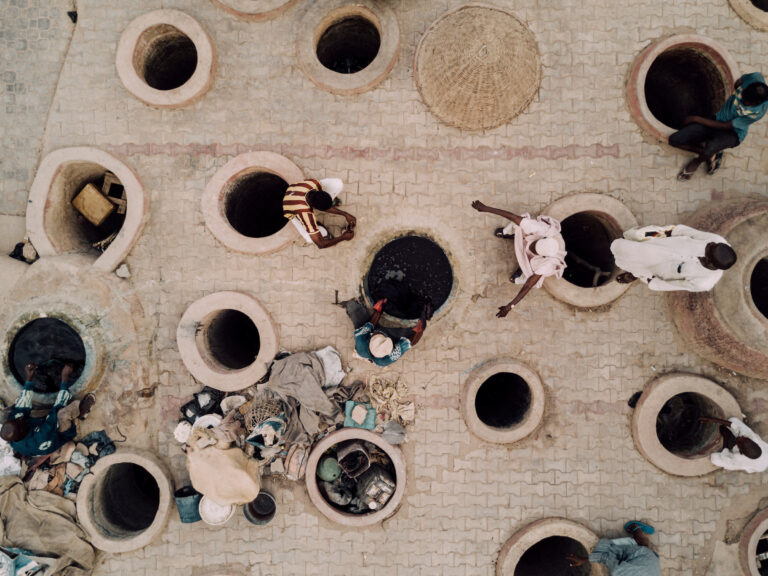
This report, a collaboration between Peace Direct and the Alliance for Peacebuilding, explores the effectiveness of local peacebuilding, sharing real and impactful initiatives from around the world.
Peacebuilding is usually associated with activities undertaken once the fighting has stopped to heal the wounds of war, rebuild a more just socio-political order, and prevent a relapse into violent conflict. This guest post discusses the less adequately explored are the ways in which peacebuilding activities can be undertaken during armed conflict to prevent violence or protect civilians.
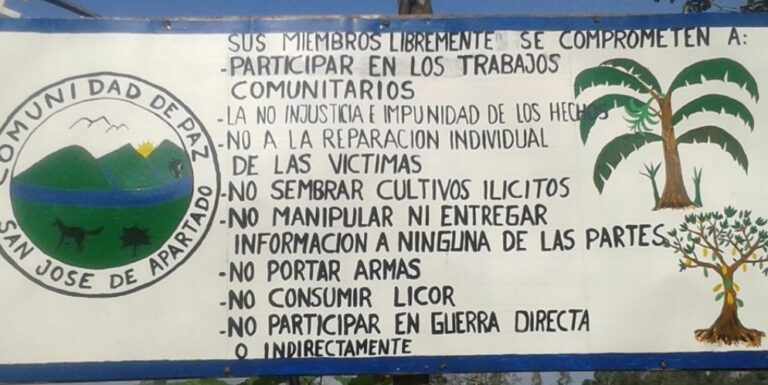
The Colombian Peace Agreement (CPA) is known as being the most inclusive peace deal to date, as several civil society organizations partook in the negotiation process and helped in drafting the final agreement. Two years later into the peacebuilding process, how inclusive is the implementation of Colombia’s peace?
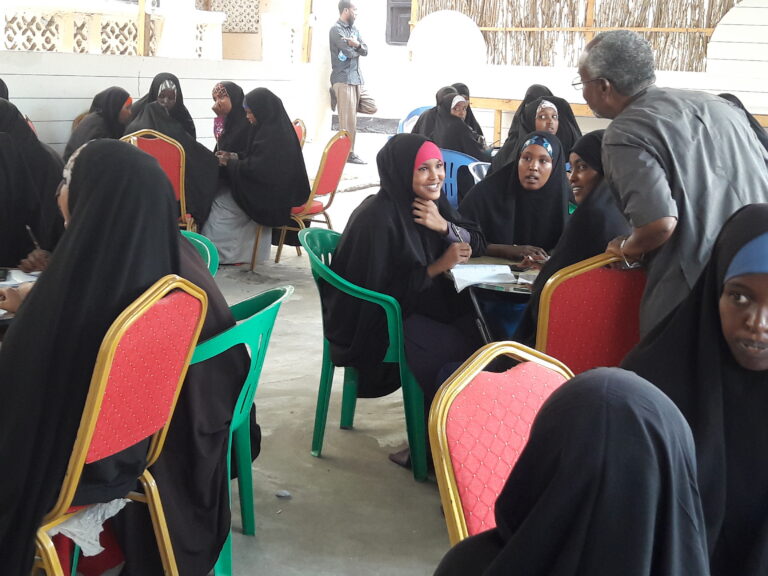
Peace Direct is looking for organisations that would be interested in participating in a Peace Exchange in Kismayo which will take place from 10-12 December 2018.
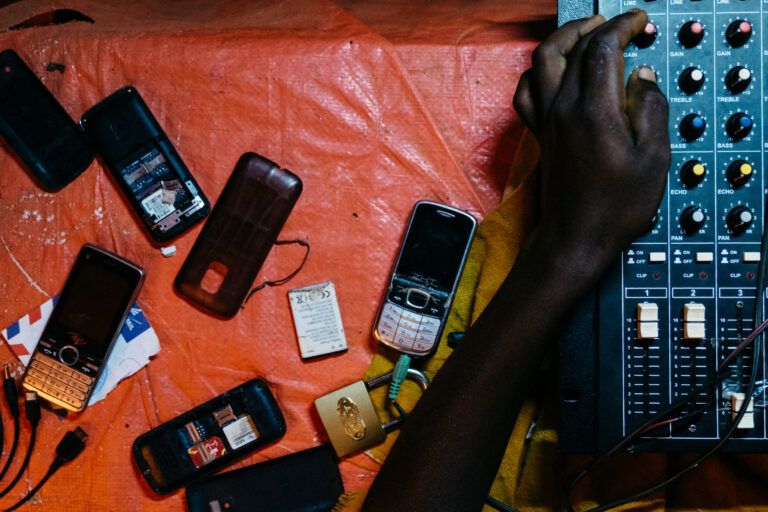
When it comes to conflict and post-conflict environments, passing on information to the population based on what is needed by those who experience the crisis is a vital and yet challenging task for aid organisations. This approach, which is increasingly being adopted in humanitarian work, asks us to re-think ‘communication’ and to expand our view on what we regard as ‘media’.
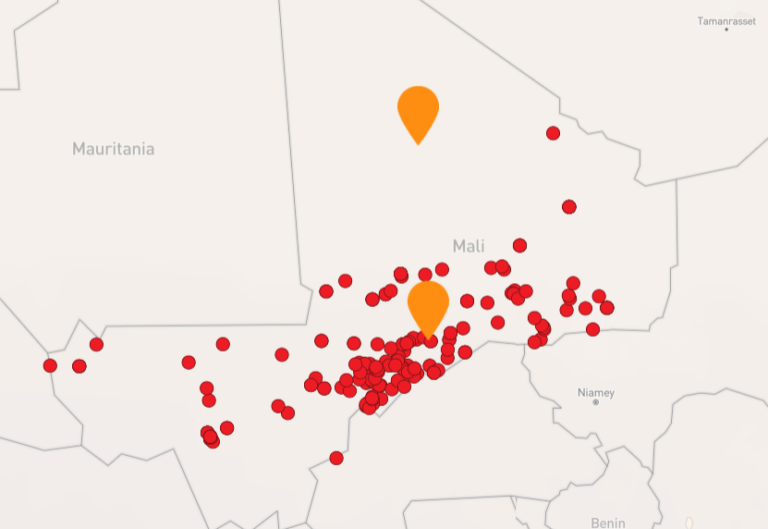
In this month’s edition, Local Peacebuilding Experts from Yemen, Syria, Sierra Leone, Niger and Nepal provide their latest analysis of conflict in their areas – and what it means for peacebuilders.
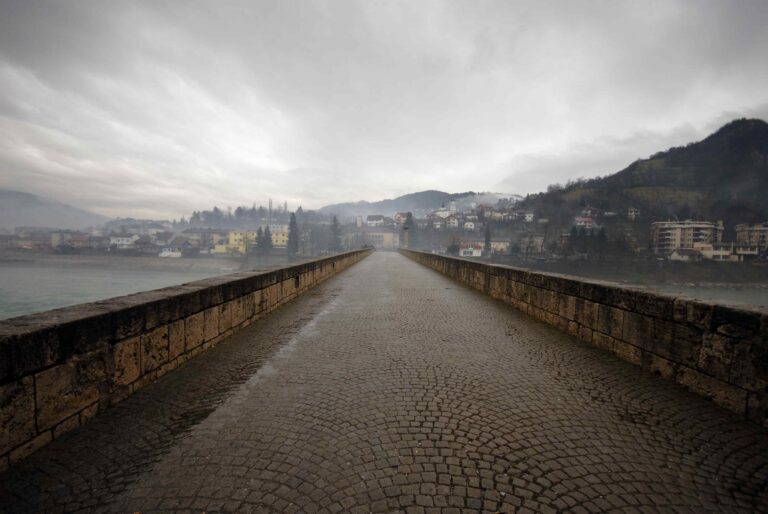
Peace Direct’s latest report presents the analysis and recommendations of atrocity prevention and peacebuilding from experts and practitioners from across the globe, and advocates for the recognition of the critical role that local civil society and locally-led peacebuilding approaches play in preventing and stopping atrocities.
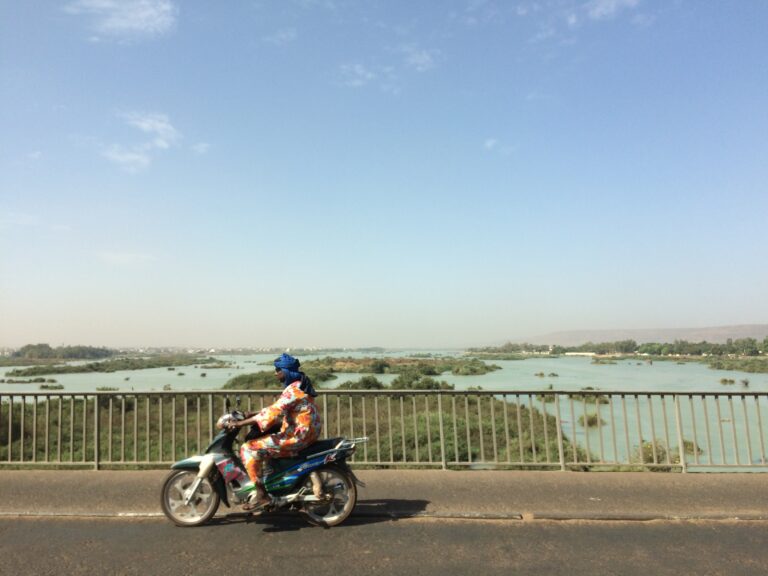
Peace Direct cherche des candidatures d’organisations intéressées à prendre part dans le Peace Exchange Mali qui aura lieu du 8 au 10 mai 2018 à Bamako.
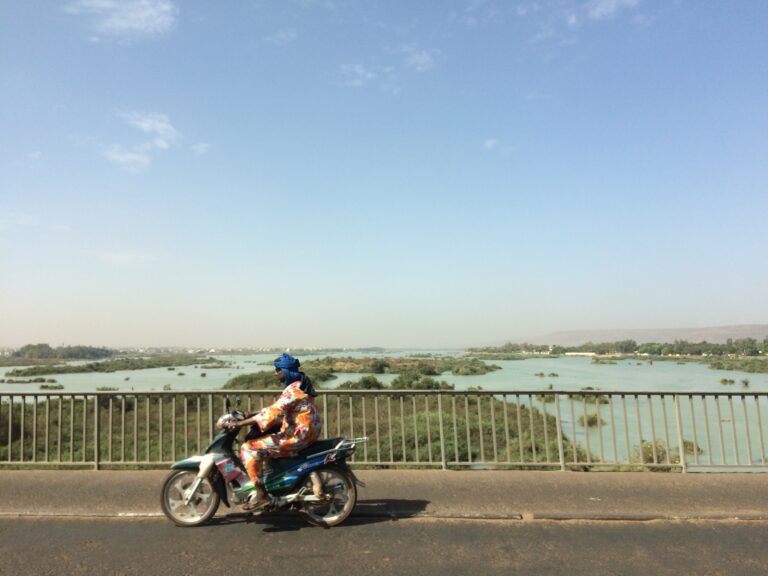
Peace Direct cherche des candidatures d’organisations intéressées à prendre part dans le Peace Exchange Mali qui aura lieu du 8 au 10 mai 2018 à Bamako.
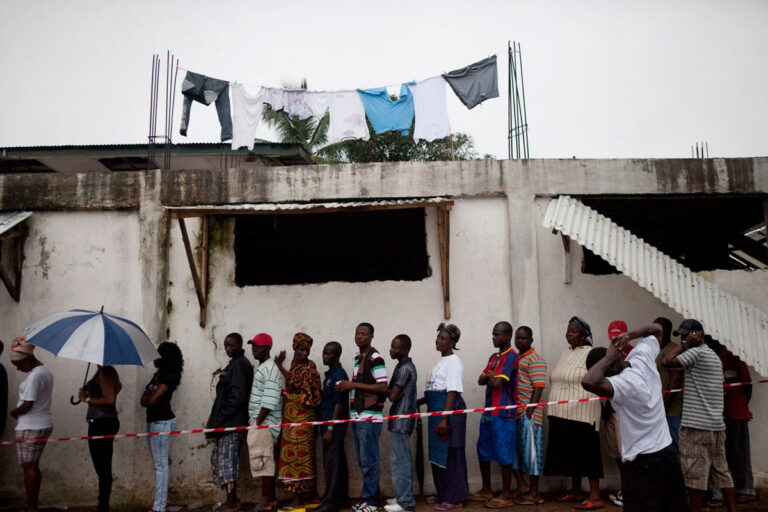
The United Nations has acknowledged that a vital element in peacebuilding is nonviolent, grassroots movements that can prevent violent conflict by providing ways for people to constructively address grievances, seek rights and advance justice. This collective action, by broad coalitions rooted in their communities, achieves success primarily through their size and diversity—that is, their inclusiveness.
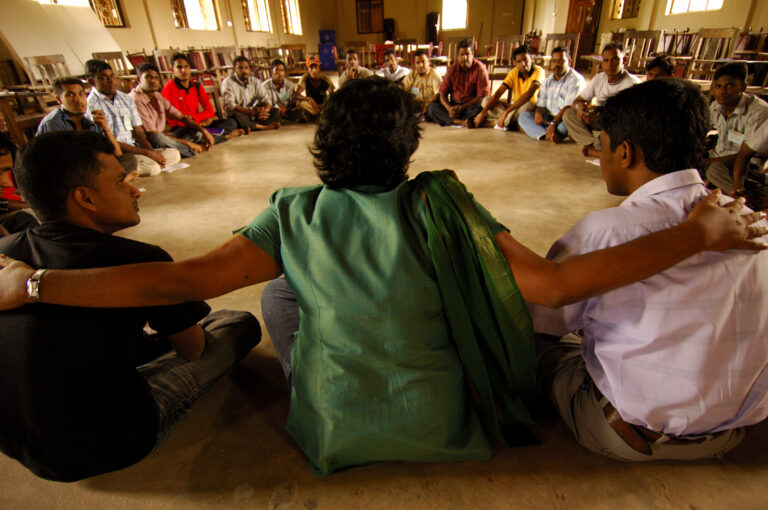
Peacebuilders have long tried to bring peacebuilding out of the shadows and into the light, but it remains poorly seen and poorly understood. Why is that and what can they learn?
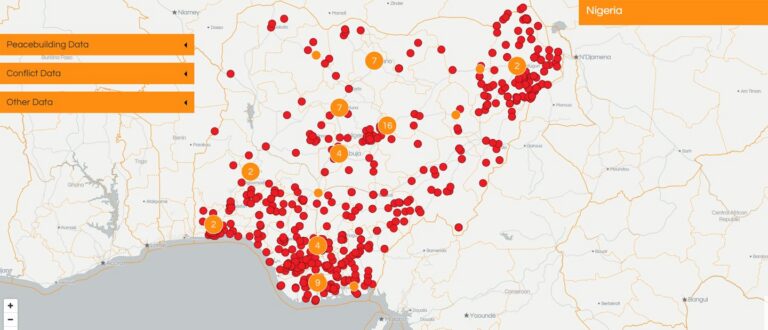
Today, Peace Insight launches a brand new tool and exciting feature: Peace Dispatch provides real time analysis on instances of violence as they happen. Peace Dispatch is a unique new feature, mapping live incidences of violence and peacebuilding initiatives. It brings together instances of violent outbreaks alongside instances of local peacebuilding, showing exactly what is being done to halt violence and build peace in the aftermath.