All those who have broken my heart
A film from Pakistan peacebuilding organisation, Shirkat Gah, on the conflict in the Swat Valley.
http://www.dailymotion.com/video/xwrrfx_all-those-who-have-broken-my-heart_shortfilms#.UTn4VEHeWKl
Locations
Themes


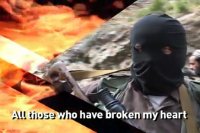
A film from Pakistan peacebuilding organisation, Shirkat Gah, on the conflict in the Swat Valley.
http://www.dailymotion.com/video/xwrrfx_all-those-who-have-broken-my-heart_shortfilms#.UTn4VEHeWKl
Insight on Conflict is Peace Direct’s global resource on local peacebuilding in conflict areas.
Read more from Insight on Conflict
Disclaimer: The views expressed in this article are those of the author and do not represent the views or position of Peace Direct.
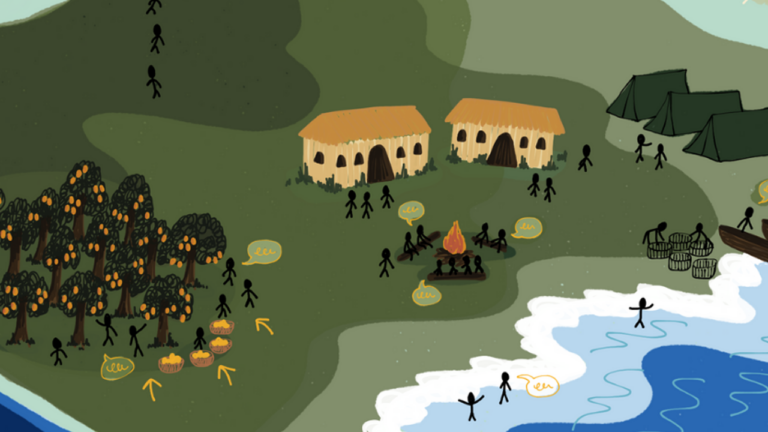
Can a decolonial MEL framework provide the basis for co-creation and co-learning?

When Taliban regained full control of Afghanistan in 2021, millions of women saw their freedoms disappear almost overnight. Many fled the country in search of safety and opportunity. Silaiwali, a social enterprise based in New Delhi, has helped to provide Afghan women an opportunity to earn their livelihood, rebuild confidence and develop a community through craftsmanship.
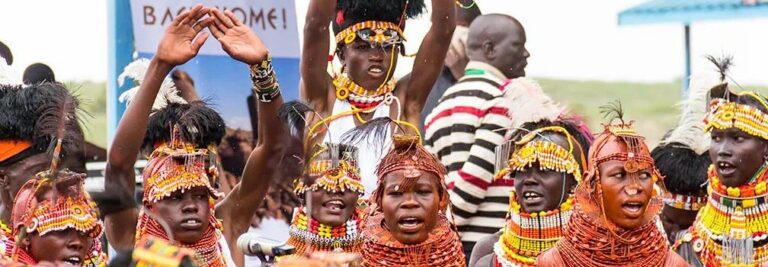
For decades, parts of Kenya’s northwest region had been accustomed to inter-community conflicts. But with the arrival of the Tobong’u Lore Cultural Festival, communities began to negotiate a truce and celebrate their rich, shared cultural heritage.
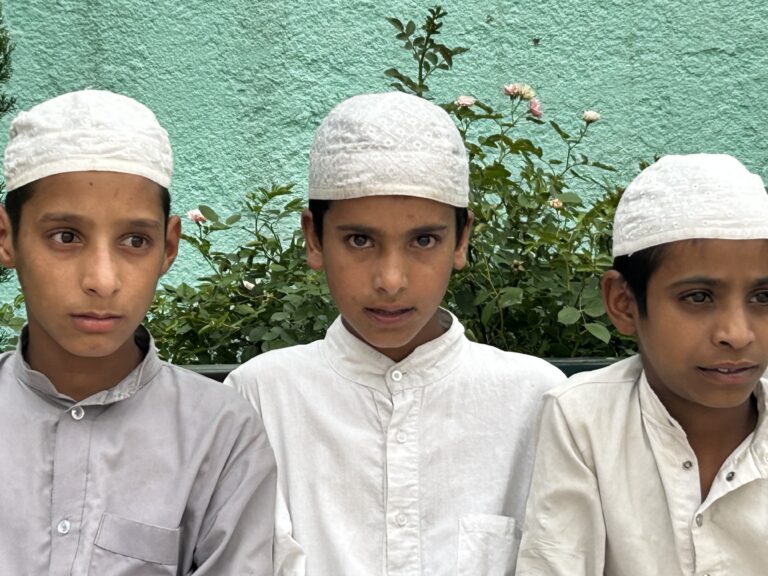
Almost three months after Operation Sindoor and the subsequent ceasefire between India and Pakistan, locals and social media reported that on 5 August there was firing from across the border, an allegation the army denied, stating there were no ceasefire violations. The incident once again stirred anxiety among the people, as tensions between the two countries continue to remain high. As such, the emotional and psychological trauma of the people has become a persistent reality. More so with the new war doctrine that any act of terrorism will be seen as an act of war. Here is an account of my visit to Poonch, the theatre of ‘war’, in May, soon after the ceasefire announcement.
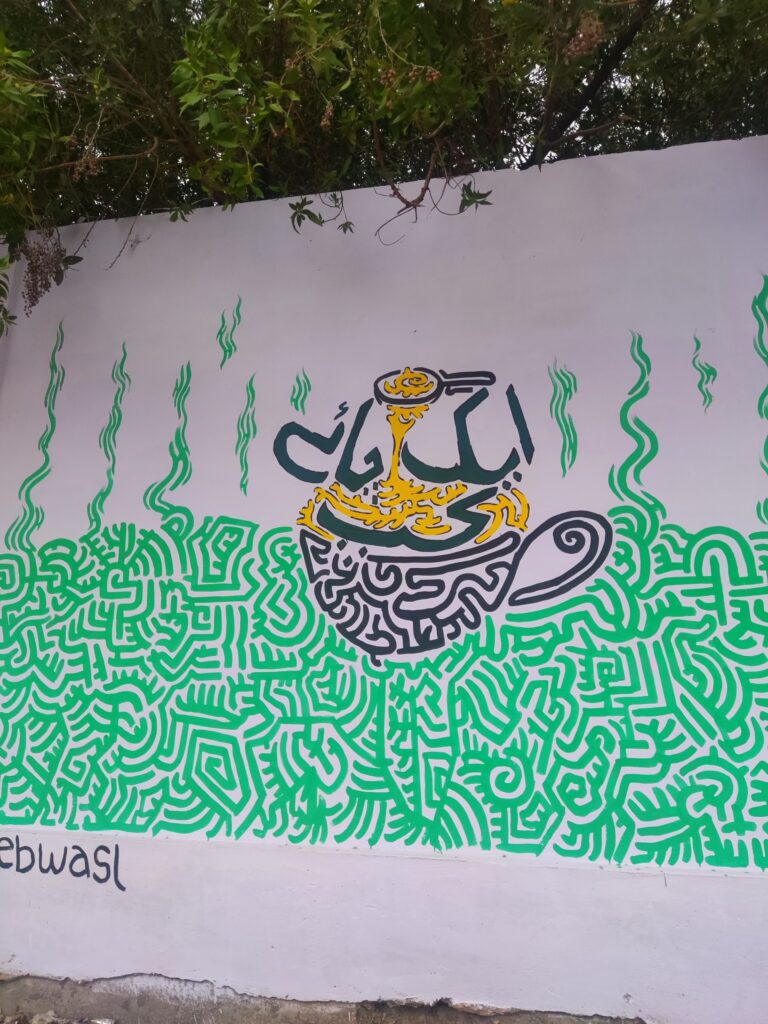
Naheed Israr highlights the advantages of creativity in peace messaging, sharing the experiences of local peacebuilders in Pakistan.
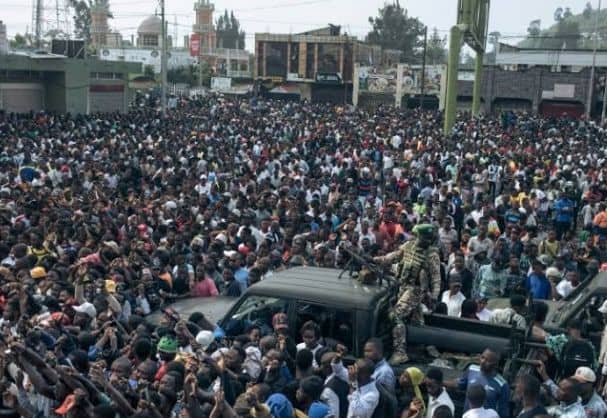
Le Nord-Kivu, un territoire de la RDC, est marqué par des décennies de conflits armés, actuellement entre le groupe rebelle M23/AFC et les Forces Armées de la République Démocratique du Congo (FARDC). Mais au-delà des combats sur le terrain, une autre guerre, plus insidieuse, fait rage : celle de l’information. La prolifération de la désinformation et de la propagande médiatique ne se contente pas d’alimenter la confusion ; elle sabote activement les efforts de consolidation de la paix et renforce l’instabilité sociale.
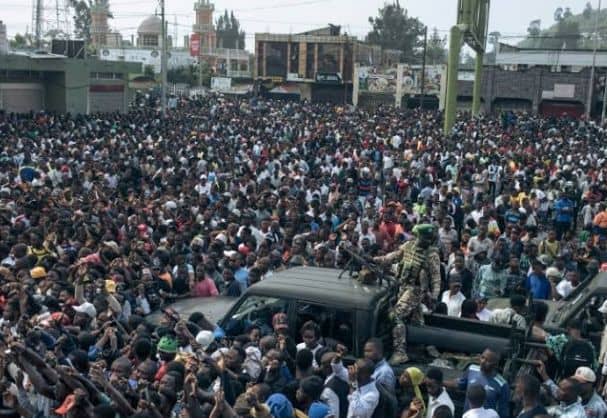
North Kivu, a territory of the DRC, has been marked by decades of armed conflict, currently between the rebel group M23/AFC and the Armed Forces of the Democratic Republic of Congo (FARDC). But beyond the fighting on the ground, another, more insidious war is raging: that of information. The proliferation of disinformation and media propaganda is not just fuelling confusion; it is actively sabotaging peacebuilding efforts and reinforcing social instability.
This article highlights the targeting of activists in DRC, which has increased since M23 captured Goma.
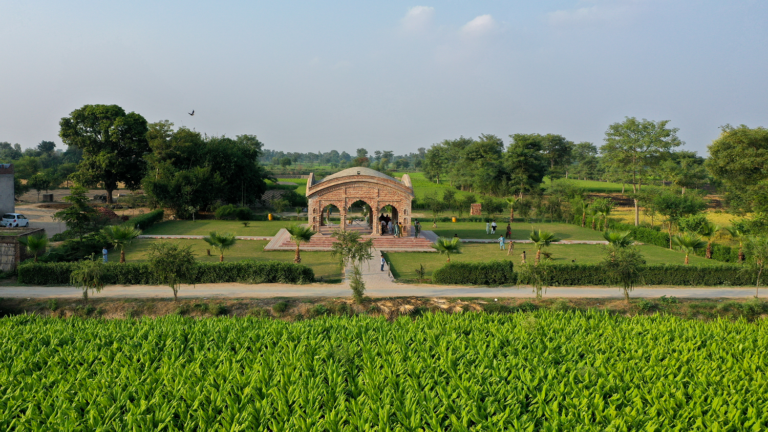
Naheed Israr explores how indigenous wisdom and pre-colonial approaches to peacebuilding can be revitalised for stronger, modern and firmly community-rooted local peacebuilding initiatives.

In 2024, Peace Direct released a podcast exploring how to build decolonial partnerships in international cooperation.
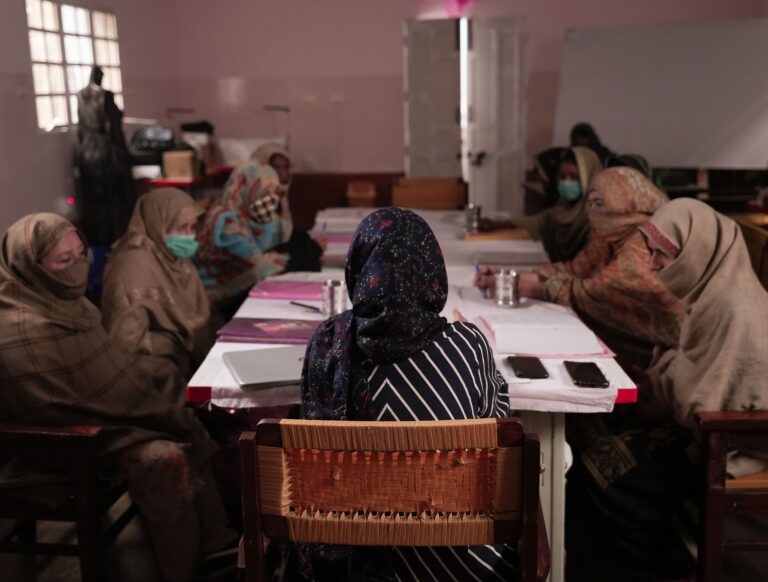
Maha Usman and Mariyum Areeb Amjad, local peacebuilders in Pakistan, share their experience using the Everyday Peace Indicators approach to more impactful community-embedded initiatives and MEL.
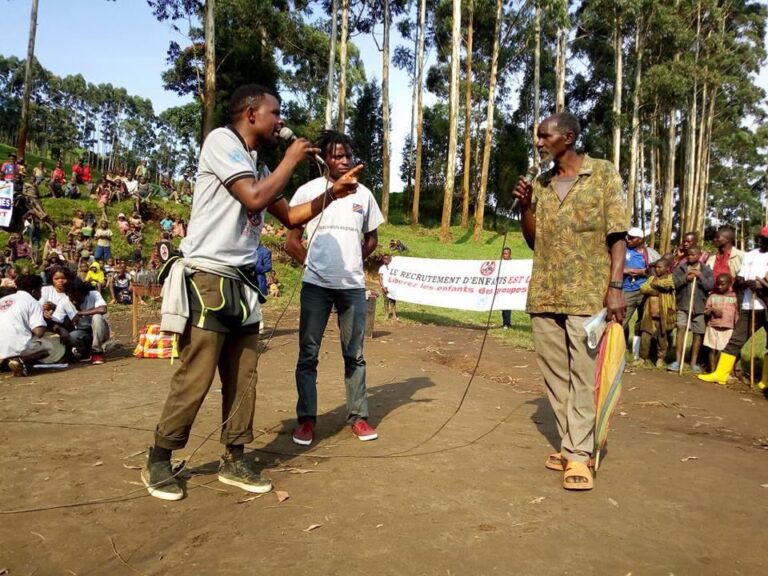
As the war continues to ravage eastern Democratic Republic of Congo (DRC), hope is emerging amidst years of conflict and violence.