Sierra Nevada: A Living Territory of Peace
The National Network of Citizen Initiatives for Peace and Against War (REDEPAZ) a civil society organisation with members throughout Colombia, have developed relationships with indigenous communities of the Sierra Navada de Gonawindúa and facilitated dialogues and build peace.
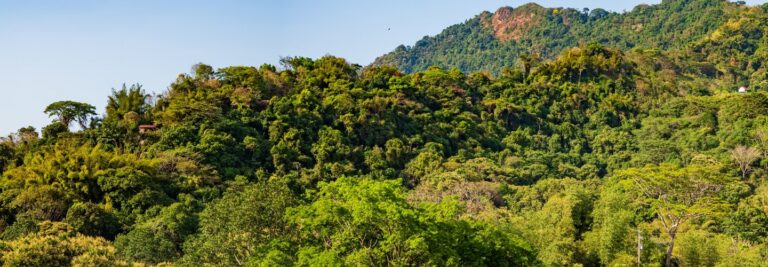
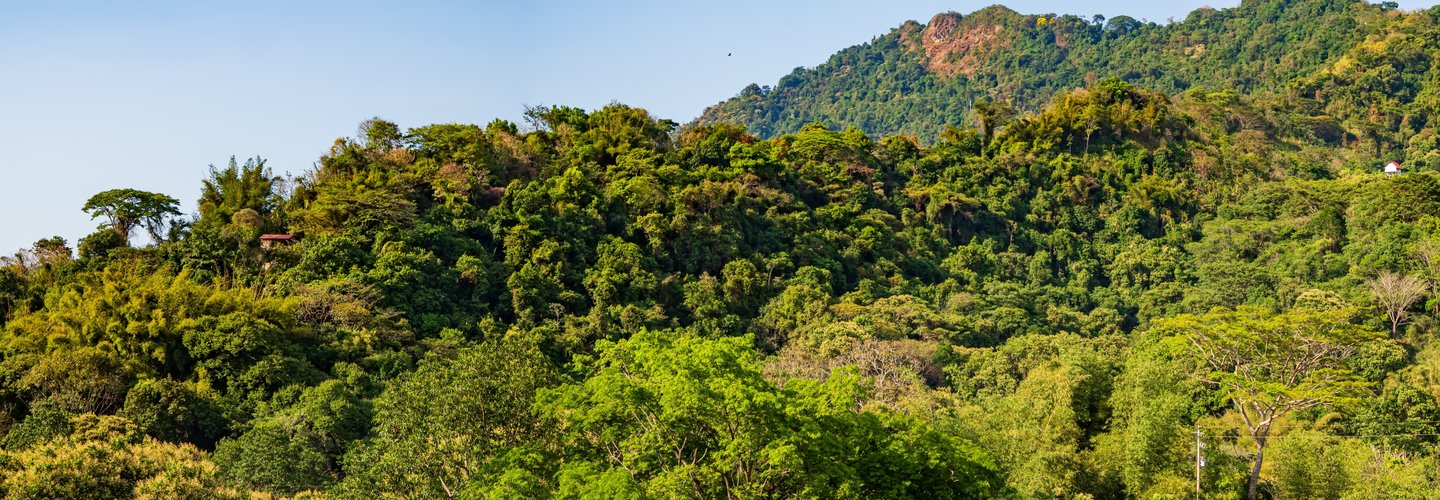
To speak of the Sierra Nevada de Gonawindúa, as the indigenous peoples call it, or the Sierra Nevada de Santa Marta, as the colonists called it, is to recognise one of the most sacred territories on the planet, where jungles, cloud forests, moors and perpetual snow converge on the shores of the Colombian Caribbean Sea. Around sixty thousand people belonging to the Arhuaco, Kogui, Wiwa and Kankuamo peoples live there, each with their own language, government and spirituality oriented towards balance between body, community and nature (Betancur Restrepo, 2019).
Their ancestral economy is based on farming, weaving, bartering and the use of plants such as the coca leaf which, according to the anthropologist, Reichel-Dolmatoff, helps to organise thought and territory. This socio-economic balance depends on the Black Line, which, according to the Territorial Council of Cabildos of the Sierra Nevada de Santa Marta, “is not merely a geographical boundary. It is a principle of order and balance that defines the spiritual and cultural territory of the indigenous peoples of the Sierra Nevada de Santa Marta. Through its 348 sacred sites, a spiritual network is formed that protects life, water, biodiversity and the relationships between human beings, ecosystems and spiritual beings” (2026).
Indigenous communities at the heart of peacebuilding
Threats to the Sierra Nevada territory and to the indigenous peoples have intensified. IDEAM (2023) recorded notable increases in deforestation, and OCHA (2024) has reported lockdowns and mobility restrictions affecting communities. The Ombudsman’s Office (2023) documented threats against spiritual authorities and indigenous leaders. There is also pressure from mining, tourism and extractive industries that violate sacred sites and disrupt the spiritual harmony of the territory.
In this scenario, neo-paramilitary armed structures such as the Gaitanista Army of Colombia, the Sierra Nevada Self-Defense Forces (ACSN) and the left-wing guerrillas of the National Liberation Army persist. Their actions constitute serious violations of international humanitarian law, including restrictions on mobility, recruitment of minors (UNICEF, 2022), threats, murders, attacks on communities, use of mines, and harm to children, women, the elderly, and spiritual authorities (Unidad para las Víctimas, 2024). The repeated violation of sacred sites, unauthorised entry into ceremonial centres and damage to places of worship represent deep wounds for the peoples.
In response to these risks, the national government has initiated socio-legal dialogues with both armed groups with the aim of moving towards their real and definitive dismantling. These conversations seek to curb territorial disputes, reduce violence, and open paths that allow communities to restore a sense of peace to the communities and protect the spiritual integrity of the territory.
Despite adversity, indigenous peoples have strengthened this process of unity. Ancestral authorities such as Mamos, Sagas, Mayoras, and Sabedores, have consulted sacred sites to interpret the damage, harmonise energies, and guide actions for protection. This spiritual work is accompanied by greater coordination between the autonomous governments of the Arhuaco, Kogui-Wiwa, and Kankuamo reserves, which work together through the Territorial Council of Cabildos. The unity seeks to protect the territory and convert spiritual guidance into material actions to restore peace.
The support of the National Network of Citizen Initiatives for Peace and Against War, REDEPAZ, a civil society organisation with members throughout the country has been decisive in this process. The indigenous communities recognise its presence and feel it is part of the territory because it engages with respect, inserts itself with care, and listens before acting. This approach, based on trust and shared understanding, has allowed dialogues to open without tension and spiritual guidance to be understood in its deepest sense.
Its work focuses on facilitating dialogue, providing technical and educational accompaniment, building bridges with institutions, and strengthening territorial protection processes without imposing agendas or disrupting spiritual timelines. The trust built with the peoples of the mountains is based on a history of consistency, respect, and commitment to indigenous autonomy and a vision of peace that emerges from the territory.
REDEPAZ has worked to build peace alongside the various ethnic and Campesino communities in Colombia. Its method is based on an ethical principle that can be summarised as accompanying without invading. Respecting spiritual timings and the guidance of Mamos, Sajas and local authorities. In the Sierra, this accompaniment has strengthened processes of unity, territorial protection and defence of the Black Line, facilitating dialogue between indigenous reserves, institutions and humanitarian organisations.
The peoples of the Sierra Nevada have formulated clear proposals to consolidate their territory as a space of peace and rights. These decisions seek to strengthen cultural, spiritual and environmental protection of the territory from their own forms of self-government and ancestral knowledge.
Among these, particular emphasis is placed on expanding and strengthening the Schools of Wisdom led by Mamos and Mayoras, making progress towards establishing an Indigenous Territorial University and the comprehensive protection of the Black Line. There are also plans to develop a humanitarian strategy to address the risks arising from the armed conflict, climate change and the particular challenges faced by women and young people.
Conclusion
According to indigenous spirituality, peace in Colombia and the world depends largely on the restoration of peace in the Sierra Nevada, recognised as the “heart of the world”, which balances energies and harmonises life (Reichel-Dolmatoff, 1991). Protecting the Sierra is to protect the entire country and humanity’s deep relationship with nature.
The impacts are visible in the trust that has been built, risk prevention, the strengthening of unity among peoples, and mutual recognition. Ancestral spiritual authorities and self-government strengthen initiatives in favour of peace. The greatest lesson has been to understand that peace is not imposed from outside, but is woven with humility, responsibility, sustained presence, and long-term relationships based on respect and consistency.
References
Betancur Restrepo, B. (2019). Territory, spirituality and self-government in the Sierra Nevada de Santa Marta. Universidad del Rosario.
Ombudsman’s Office. (2023). Early warnings and reports on the Sierra Nevada de Santa Marta. Bogotá.
IDEAM. (2023). Deforestation monitoring report in Colombia. Institute of Hydrology, Meteorology and Environmental Studies.
OCHA. (2024). Colombia Humanitarian Needs Overview. United Nations Office for the Coordination of Humanitarian Affairs.
Reichel-Dolmatoff, G. (1991). The Kogi. A tribe of the Sierra Nevada de Santa Marta. University of the Andes Press.
UNICEF. (2022). Recruitment and use of children and adolescents in the Colombian armed conflict. United Nations Children’s Fund.
Victims Unit. (2024). Registry of victims of forced displacement, confinement and anti-personnel mines in the Caribbean region and Sierra Nevada de Santa Marta.
Locations
Themes