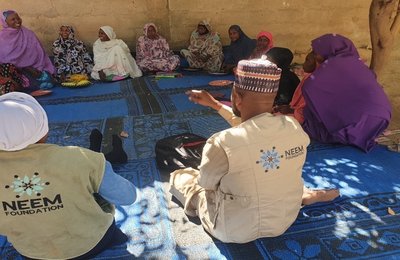
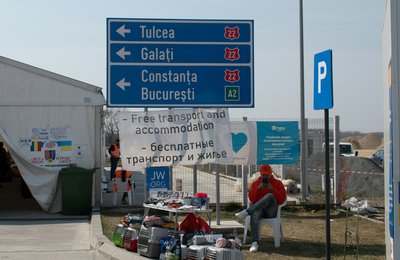
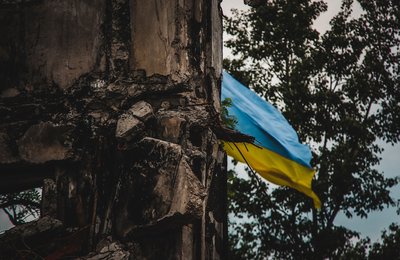
The war in Ukraine, which began in 2014 and escalated in 2022, continues to tear communities apart and leave deep physical and emotional wounds. Beyond the physical destruction of towns and cities, the prolonged war has exposed millions of Ukrainians to trauma and psychological distress due to constant uncertainty, fear of attacks and protection risks. In particular, a World Health Organisation study showed that more than half of Ukraine's population is experiencing a deterioration of their mental health due to the war, such as sleep disorders, anxiety, and depression.
Ukraine’s Veteran Support Network
For veterans returning from the frontlines, mental health is the key element of reintegration. Without psychological support, the risks of family breakdown, workplace conflict, and social isolation remain high. That is why organizations such as Veteran Fund, Veteran Hub, and Lisova Polyana dedicate resources to helping veterans rebuild their lives.
Ukrainian Veterans Foundation, a state-run institution operating under the Ministry of Veterans Affairs of Ukraine, established legal aid and psychological hotlines and offers employment training, micro-grants for small businesses, and job placement.
says Veronika Loza, the head of programs at Ukrainian Veterans Foundation.
But the demand for support is immense.
says Artem Denysov, co-founder Veteran Hub. Veteran Hub exists since 2018; it reintegrates the veterans and prepares them to normal life through various programmes such as psychosocial and legal support hot lines for veterans and their families, development of employment skills, micro-funding to start new business, help with finding jobs. Veteran Hub in Vinnitsa have been under risk of shutting it down due to the cut of the US aid funding in 2025 but the regional authorities found resources in the local budget to continue its work.
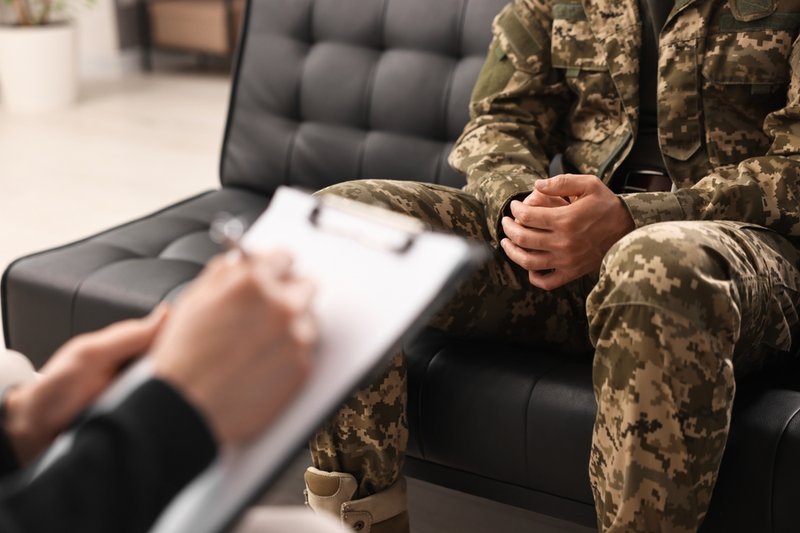
Professional psychotherapist working with military man in office, closeup, photo by New Africa, 2024. Via Shutterstock
Grassroots Organizations on the Frontlines of Community Healing
Beyond veterans, thousands of Ukrainians, including Internally Displaced Persons (IDPs) are experiencing grief, mistrust, and trauma. Displacement often strains relations between host communities and newcomers. Local NGOs have responded with psychosocial trainings for youth, local communities and all people in need, which are designed to reduce tensions, lower violence, and build social cohesion.
The Ukrainian Volunteer Service (UVS) runs a dedicated Resilience Programs Department, offering retreats, workshops, and webinars on self-care and stress management.
says Olena Vuzka from UVS. USV supports volunteer movements and civil society by training volunteers and connecting them with local organisations.
continues Olena.
Other organisations use art as a way to build peace and resilience in the communities. For example, the NGO ‘Sol Diez‘ and the organisation ‘Sounds of Change‘ organise trainings for education representatives, focused on using music as a tool for psychosocial support to foster emotional connection, reduce tension and promote resilience. The participants of the trainings are introduced to accessible methods such as rhythm, clapping, using boom whackers, and collaborative songwriting.
Some local organisations like “Voices of Children” provide support services for both parents and children who experienced the war, such as psychological consultations, group and individual therapy sessions, workshops using the “Children and War” and “Safe Space” methods, art therapy, sand therapy, and many other therapeutic and recreational activities.
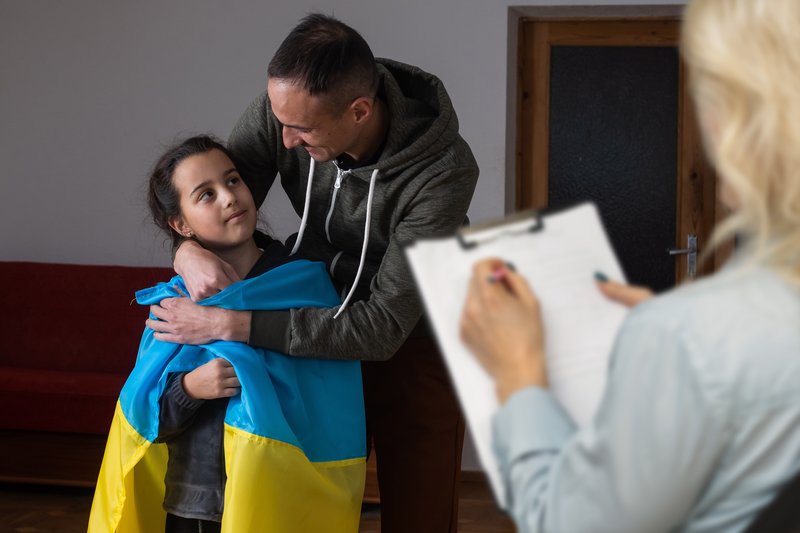
Psychologist for children from Ukraine, photo by Andrew Angelov, 2024. Via Shutterstock
There are organisations that implement projects both locally and across other affected oblasts as part of their national humanitarian and psychosocial response. “Posmishka UA” (Smile) works across around 20 regions to support vulnerable populations, including war-affected families, children, and IDPs, through psychosocial support, humanitarian aid, and community activities.
“Tochka Rivnovagi” (“Point of Balance”) is a civil society organization that provides psychological and social assistance via mobile multidisciplinary teams, offering counselling, stress-management workshops, and trauma-informed support to communities impacted by conflict.
At the national level, the “Ty yak?” (How are you?) program, launched in 2022 by First Lady Olena Zelenska, has trained more than 400,000 professionals, from teachers and social workers to specialists in psychological first aid and self-help skills. The program aimed to improve mental health of Ukranians to develop individual and collective resilience, it cooperates with numerous civil society organisations and Ukranian celebrities to promote the importance of mental health and seeking support for it.
National free hotlines such as La Strada, National psychological Association’s hotline, Varto Zhyty among others provide lifelines for those in crisis. Yet stigma remains a barrier, especially among men. Call operators at La Strada regularly hear the question:
Stigma of asking psychosocial support still exists, but mainly among men as mental support has never been a part of the culture.
Hundreds of calls come to the hotlines with requests for help daily. For example, “La Strada” has two hotlines – one for children and youth, and another one for adults, including women experiencing domestic violence, IDPs, families of militaries and people living in the occupied territories.
Recognizing strong links between mental health and psychosocial dimensions,
says Maryna Legenka, President of CSO «La Strada-Ukraine».
Challenges to supporting mental health
However, for those providing support, burnout is a constant threat. Not all the donors understand the importance of retreats for the operators of call centers. Every day they listen to terrible stories and support people who survived or witnessed catastrophic events.
Funding shortfalls add pressure. Donors’ budgets decrease, forcing them to re-prioritize which projects to support. Two biggest hotlines - La Strada and hotline of National Psychological Associations - had to balance with closure of vital support lines and were forced to knock on all doors and windows this summer due to the cut of US funding.
Frequent electricity cuts across Ukraine interrupt access to the internet for war-affected Ukrainians and call centers.
says Maryna Legenka.
Even though there are multiple avenues to seek psychosocial support, access and coverage are not equal across the country, disproportionately affecting people from rural areas, small communities, occupied territories, areas with active military fights.
says Valeriia Palii the President of the National Psychological Association that runs a national psychosocial hotline.
Where face-to-face meetings are not possible, local organisations like La Strada, Ukrainian Volunteer Service and others find a flexible approach and suggest online consultations, share self-help resources, suggest interactive workshops to provide support to those in remote areas where it is most needed, including in schools.
Conclusion
As Ukraine rebuilds, psychosocial support must be seen not as a secondary service, but as a path to recovery equally important as rebuilding schools, hospitals and homes. Peace cannot take root if conflict-affected people are suffering from the deep psychological and social impacts of war. At the same time, without peace there are significant barriers to people’s mental health and psychosocial well-being improving.
By addressing trauma, reducing stigma, and strengthening resilience, psychosocial support lays the foundation for trust, cohesion, and reconciliation within communities. As Ukraine will move toward recovery, investing in mental health will be essential for fostering peace, empowering veterans and civilians, and creating the conditions for a more stable and peaceful future. Therefore, it is crucial that international donors, businesses and others continue supporting mental health programs to provide systematic and quality services.
With greater investment and commitment, mental health care can become a bridge between survival and renewal, helping Ukrainians find strength, dignity, and hope on the path toward lasting peace. Investing in the mental health of Ukrainians is not only about healing individuals, it is about rebuilding the social and economic development of the country.