Pioneering Peace
COVID-19 has hastened our use of technology and moved our lives almost wholly online. We have become more reliant on technology in everyday life. For peacebuilders, their experiences have been similar.


COVID-19 has hastened our use of technology and moved our lives almost wholly online. We have become more reliant on technology in everyday life. For peacebuilders, their experiences have been similar.
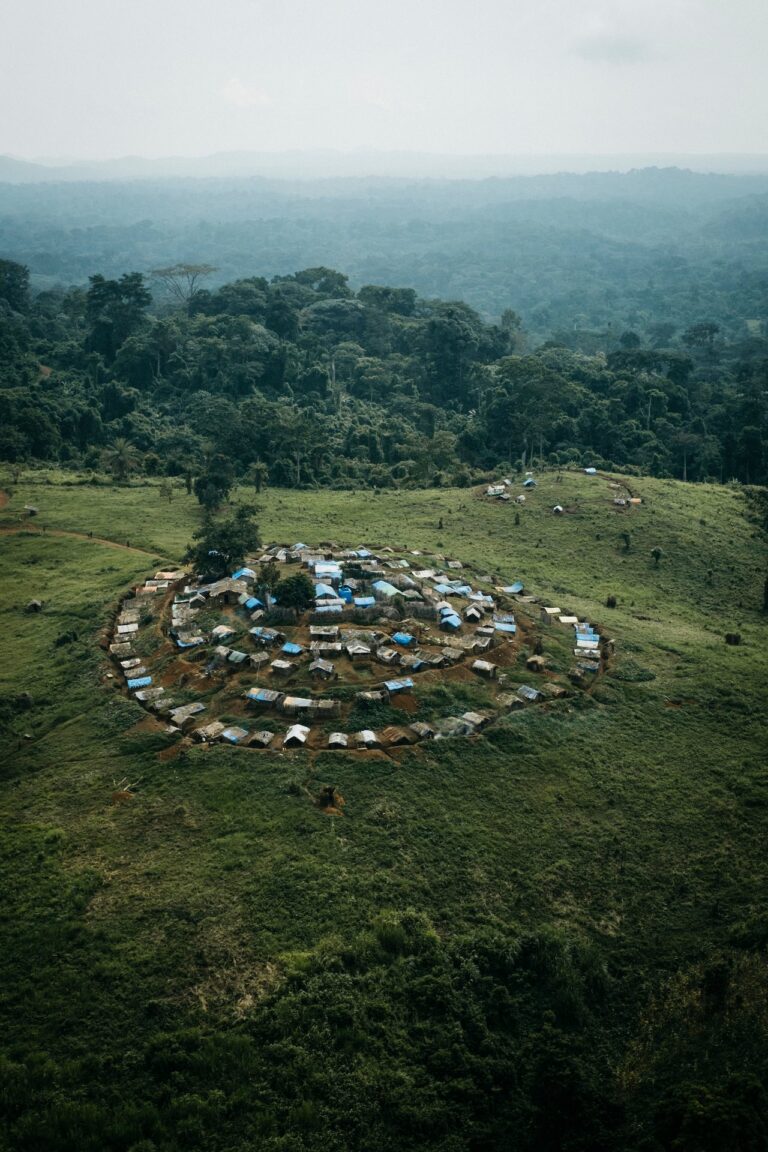
In recent years, the Democratic Republic of Congo (DRC) has seen cases of violence against civilians rise. In the absence of government-led efforts to curb the violence, the majority of atrocity prevention activities have been carried out through local and international efforts.
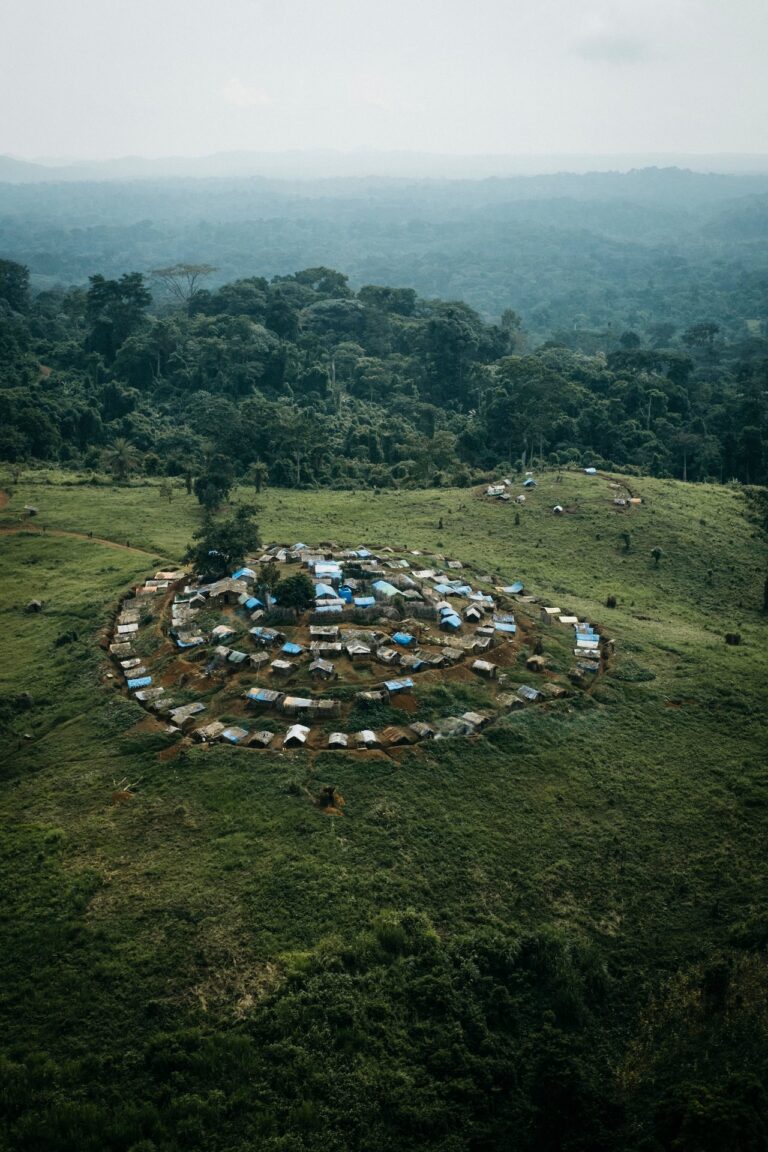
Ces dernières années, la République démocratique du Congo a vu les cas de violence contre les civils augmenter de façon spectaculaire. La fragilité chronique compromet les chances de paix et rend plus probable la violence et les atrocités de masse. Notre nouveau rapport analyse la situation et présente des recommandations pour soutenir la prévention des atrocités.
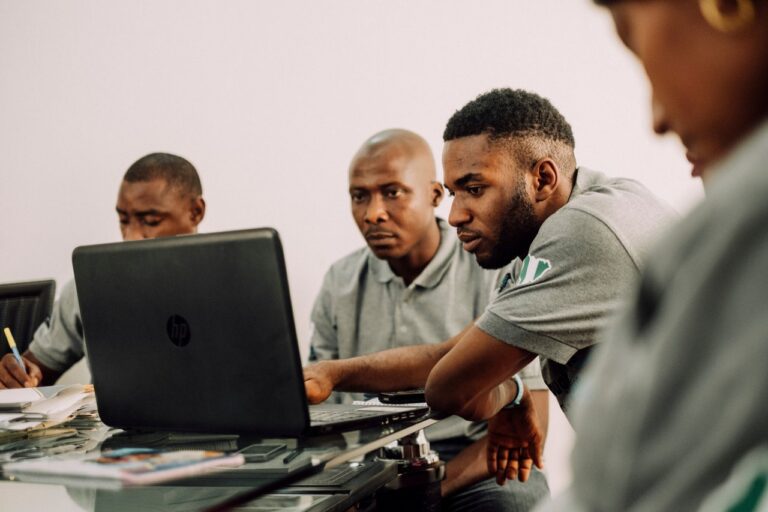
A quick update from Peace Insight on the recent improvements to our website! This toolkit highlights five key features of our new site, so you can get the most out of your visits to Peace Insight.

The role of civil society in building sustainable peace is no longer debatable.
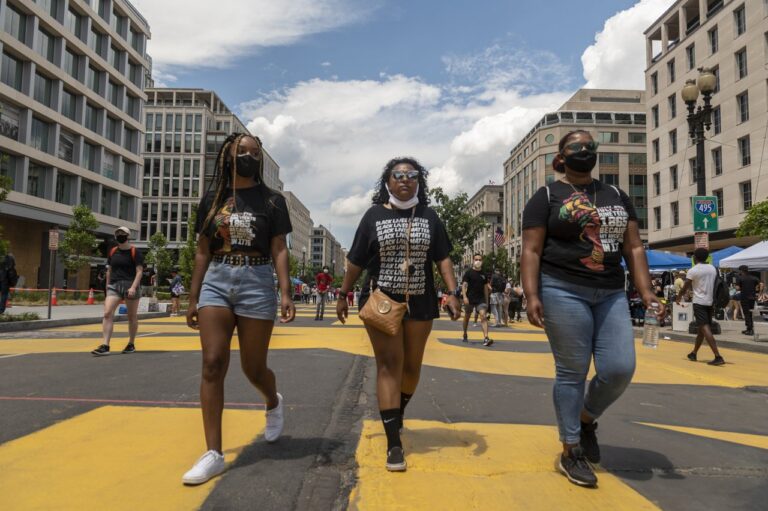
Violent conflict is on the rise in the United States. Black Americans and people of color continue to bear the brunt of this violence and injustice.

In the context of both COVID-19 and the global racial justice movement, there’s energy like never before to listen to the people affected most by the issues, and for them to be represented in decisions and as a central part of diverse leadership. But what are the common features of a successful transition process, and what can we learn from the evidence about them?

What Transformation Takes: Evidence of Responsible INGO Transitions to Locally Led Development Around the World takes readers on a journey to examine responsible transitions from international non-governmental organizations to locally led entities.
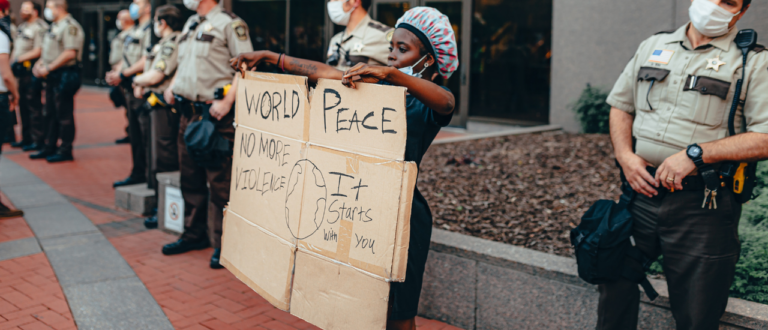
Updated Nov. 9: The results are in. The U.S. elections are over, and a new president and the first ever woman vice president have been elected. If the 2020 elections have shown us anything, though, it is that the U.S. is in dire need of peacebuilding.
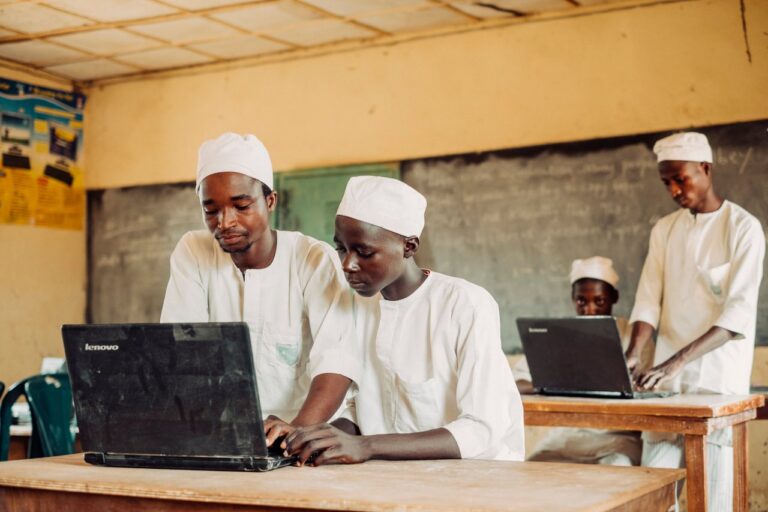
COVID-19 has compelled millions of us to take our everyday activities online – hosting meetings virtually and using tech to catch up with family and friends. Technology for peace, known as ‘peacetech’, has also increased, with local peacebuilders using social media, data and a host of other tech advancement to drive for peace and tackle insecurity.
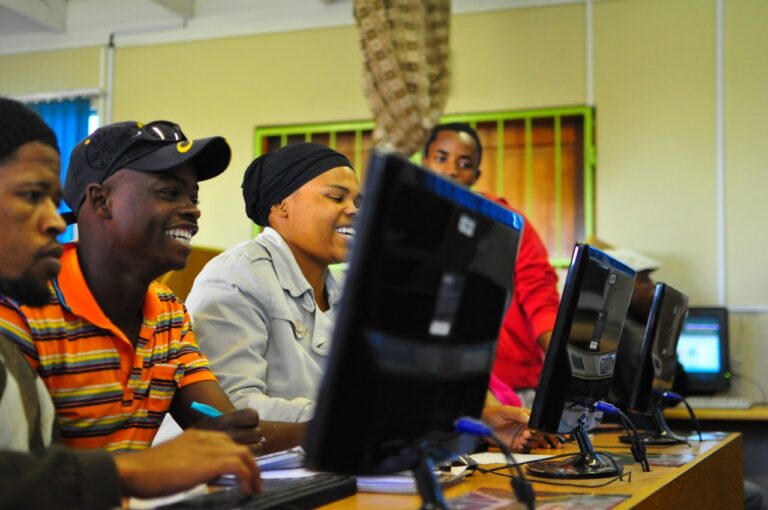
The latest in our series of ‘Local Voices for Peace’ reports, ‘Digital Pathways for Peace: Insights and lessons from a global online consultation’, shares perspectives from local peacebuilders on the benefits and challenges of using technology to build peace, and offers recommendations for policymakers, donors and civil society to harness the capabilities digital technologies offer.
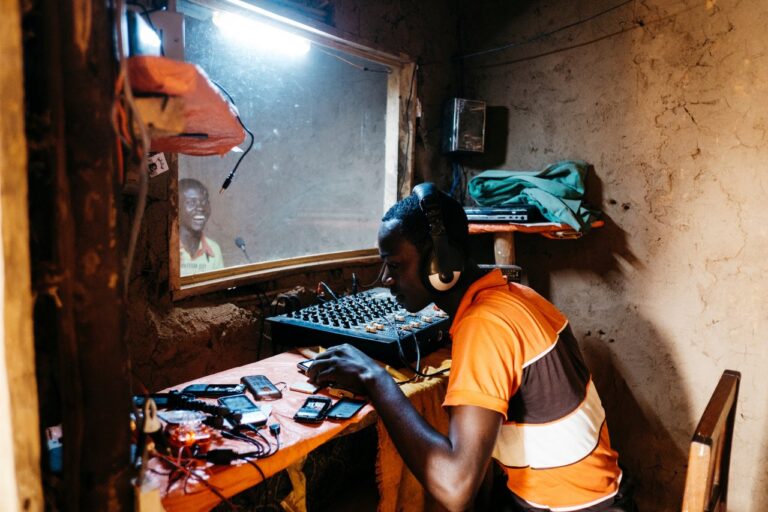
Notre rapport, "Diffuser la paix: perspectives et enseignements des artisans de la paix dans l’Est de la RDC", partage les points de vue des groupes de la société civile locale et dresse la carte des efforts locaux de consolidation de la paix dans un contexte de violence croissante dans le pays.