Decolonising Philanthropy
In an age of collapsing funding and existential threats, philanthropists and civil society must act together to reimagine a better future for the sector.

In an age of collapsing funding and existential threats, philanthropists and civil society must act together to reimagine a better future for the sector.

A guide from Global South local actors.
Donor countries must honour their commitments to genuine development. Sign the open letter demanding #UntiedAid to promote fairness and empower communities in the Global South, and read the research underpinning this campaign.

Transforming Partnerships in International Cooperation provides an operational guide to decolonising partnerships in the humanitarian, peacebuilding and development sector.
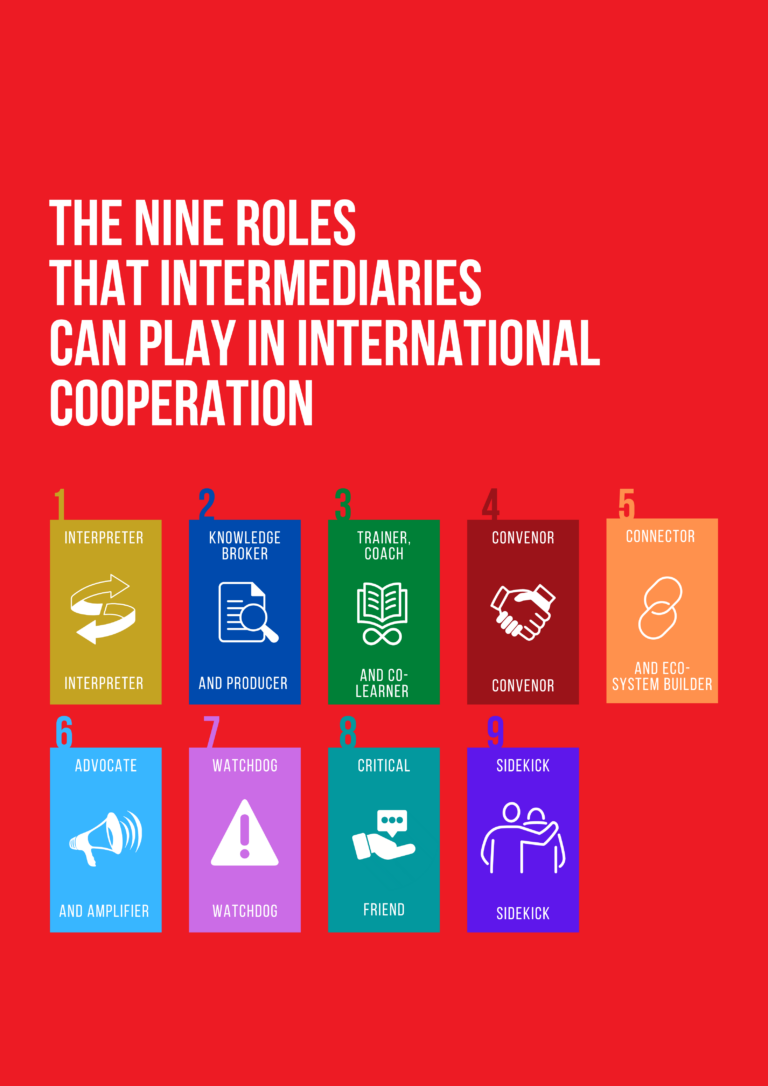
As the sector changes, INGOs can shift away from playing an 'implementer' role – this report from Peace Direct highlights nine roles for organisations to play.

“There’s been so much talk of localisation over the past few years, as well as an emerging and vibrant discussion on how to decolonise our sector. But there is also a real risk that we conflate terms. This would be a huge mistake.”
Exploring the inherent violence in global migration and conflict across a displaced person’s journey, this report seeks to highlight how peacebuilding and migration need to be more intrinsically linked in approaching global development and peace processes.

Structural racism reinforces colonial dynamics in global development, according to our new report.
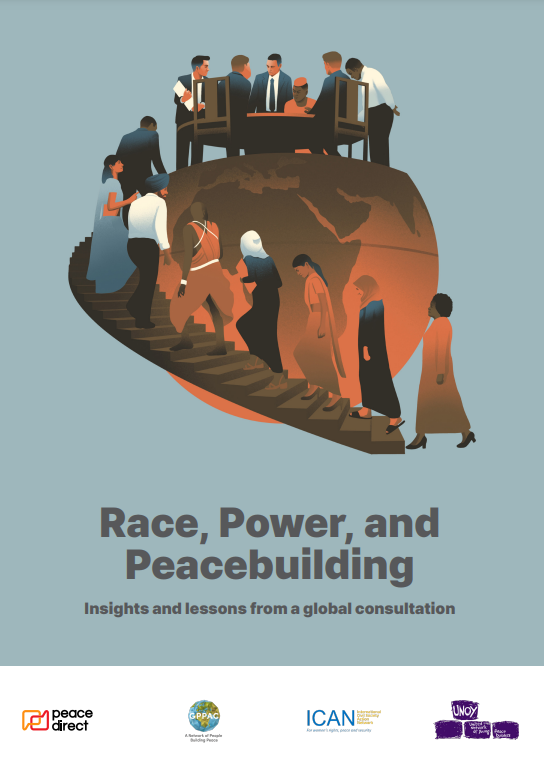
Read Peace Direct's landmark report on Race, Power and Peacebuilding, highlighting neocolonial dynamics in the peacebuilding sector.
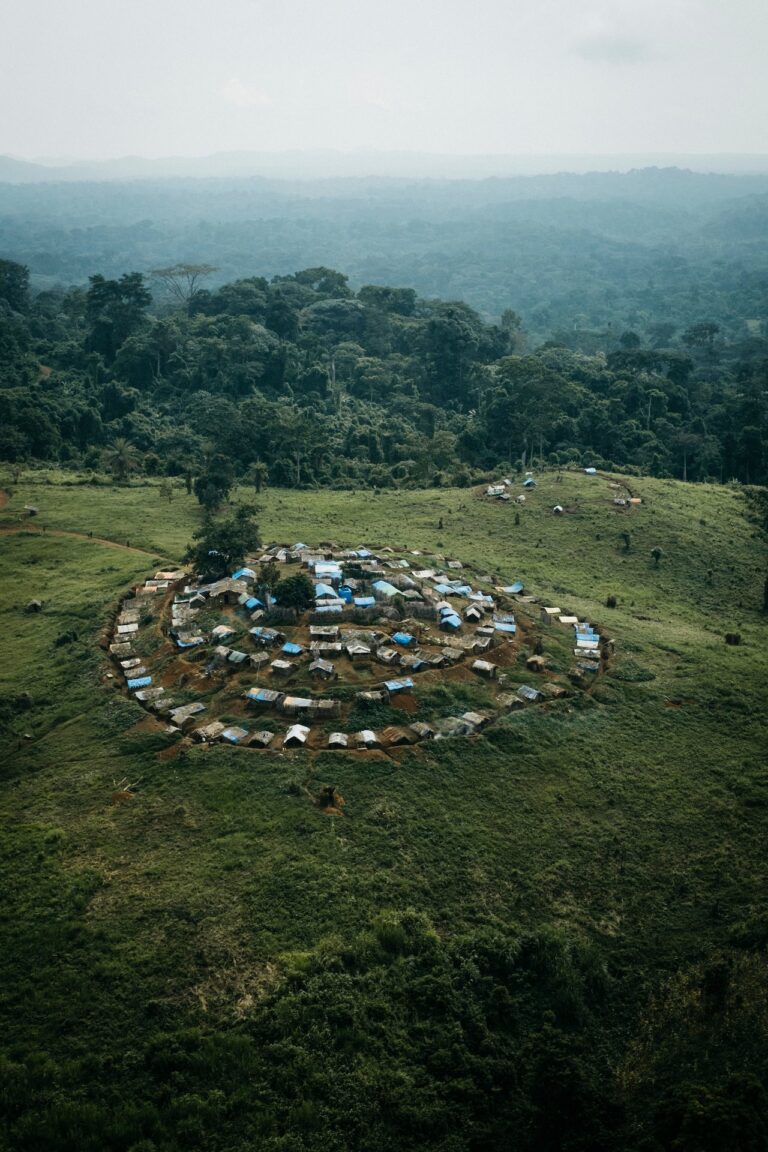
In recent years, the Democratic Republic of Congo has seen cases of violence against civilians rise dramatically. Chronic fragility is undermining opportunities for peace and making mass violence and atrocities more likely. Our new report analyses the situation, and shares recommendations for supporting atrocity prevention work.
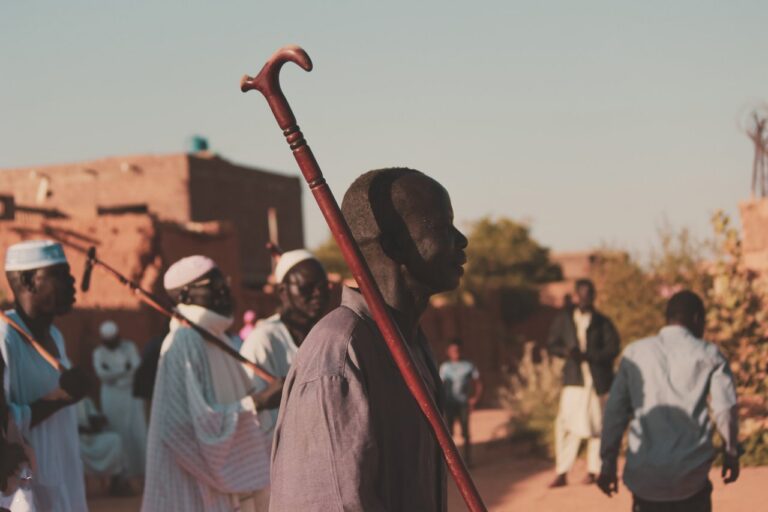
This toolkit is part of a Columbia University conflict resolution research paper undertaken by Hanna Qadir. It focuses on how to encourage local peacebuilding approaches to end farmer-pastoralist violence in Darfur, Sudan. Research was conducted on the basis of local conflict resolution practices, analysis of local and international actors and application of supporting conflict management theoretical lenses.

This toolkit encourages taking a creative, artistic approach to peacebuilding to allow the healing, nurturing and restoration of peace. Creative peacebuilding may also be used as a preventative measure to overcome the recurrence of violence within individuals, groups and societies. This approach can benefit a range of people and at-risk communities, offering an opportunity to build discipline, trust and lasting peace.