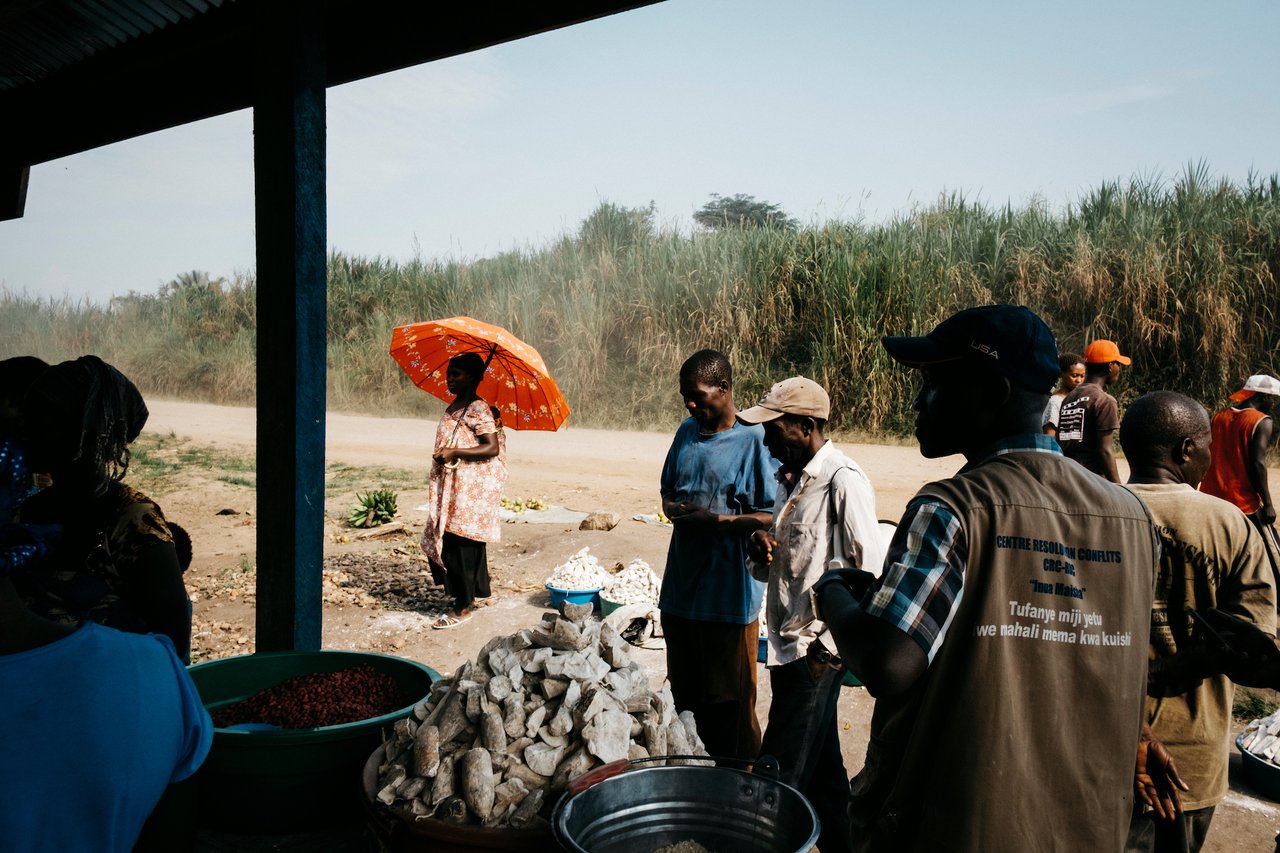
Civil Society and Inclusive Peace
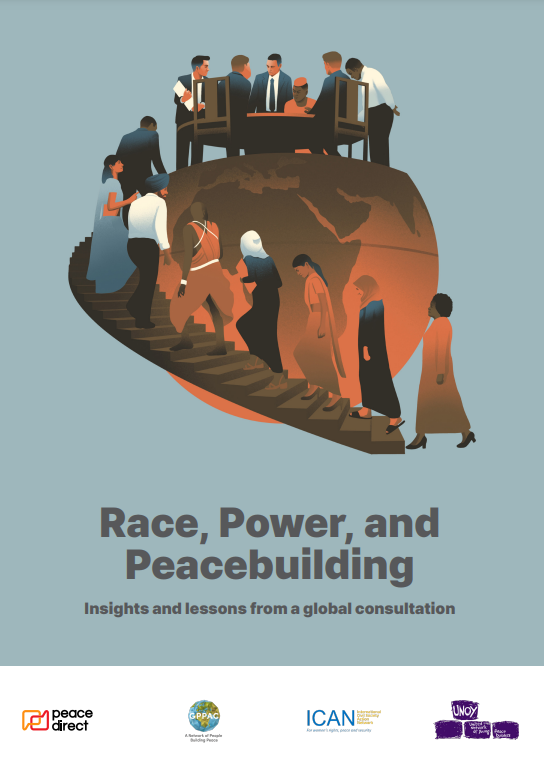
Inclusive peace, or the idea that all stakeholders in a society should have a role in defining and shaping peace, is receiving widespread global recognition. Still, despite the progress made through the increased recognition of inclusive peace at the theoretical and policy level, it has proven extremely difficult to achieve in reality.
Peace processes should take responsibility to ensure that the people invited to the table are connected to the groups they claim to represent, and that the interests of all affected groups or communities are considered.
To explore this further, Peace Direct held a collaborative online consultation in collaboration with the Inclusive Peace & Transition Initiative (IPTI) and the Global Partnership for the Prevention of Armed Conflict (GPPAC) to explore the dynamics of inclusivity and peacebuilding in further detail. The insights generated from these consultations form the basis of the analysis and recommendations developed in this report.
Executive summary
Full report