Along the Goma/Gisenyi, DRC-Rwanda border, every morning, as the sun rises over Lake Kivu, Ghislain Baraka crosses the border between the DRC and Rwanda. Microphone in hand, smile on his lips, this versatile Congolese artist, media professional, and social worker embodies a truth that Washington will never understand; peace is not signed off in palaces, it is lived every day from weddings, to markets, and shared in songs.
explains Ghislain, who has been living temporarily in Gisenyi since his hometown Goma fell to the M23 in February 2025.
Yet with every opportunity the Trump administration boasted that he has ended the war between the DRC and Rwanda. Almost one year later, on the ground in the eastern part of the DRC, the fighting continues. Massive displacement continues. Communities remain traumatized. And while diplomats and heads of state take credit for an abstract “peace,” local actors, ignored and excluded from consultations, yet essential, are working with little to no resources building bridges between Congolese and Rwandans on a daily basis.
“The neighbour isn't necessarily your enemy”
Ghislain Baraka knows this better than anyone. For several years, he has been hosting festive ceremonies on both sides of the border. He sings Congolese music in Rwanda with Rwandans. He sings Rwandan music in the DRC with Congolese people. Without any worries. Until recently.
he admits, his voice slightly darkened.
His appeal is simple, almost naïve in its sincerity, but deeply radical in the current context:
This message resonates particularly strongly as the Washington agreements, signed by heads of state without popular consultation, remain a mystery to the rest of the population, especially those who suffer most from the ravages of war. While the US president boasts repeatedly that he has resolved the conflict, the reality on the ground tells a very different story.
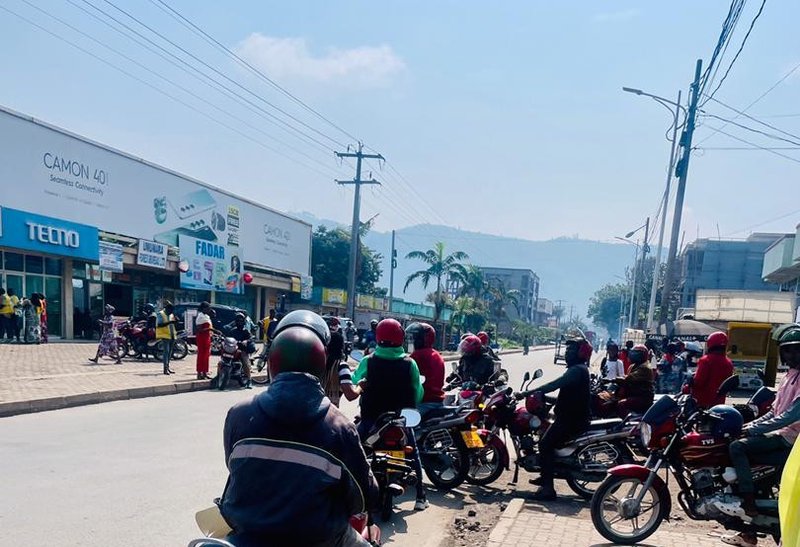
Women at the cross-border market: trade as peaceful coexistence
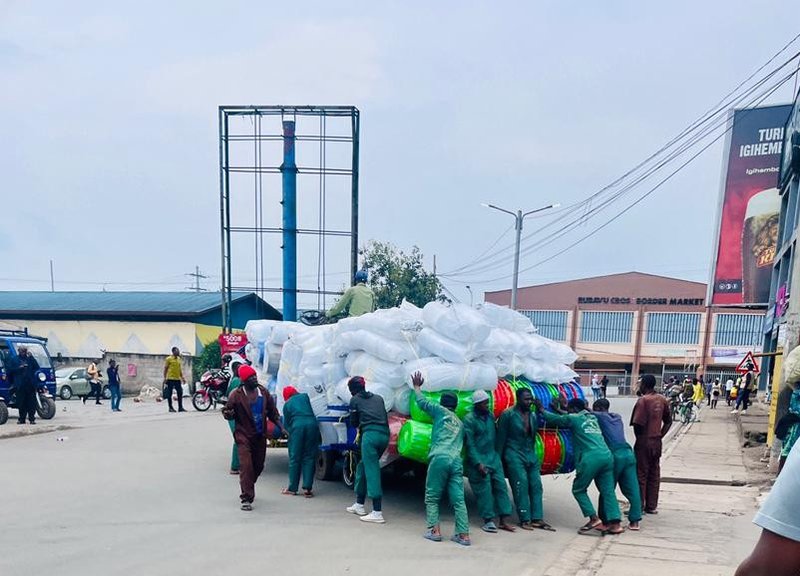
A few miles away, in the early morning, the Goma (DRC)-Gisenyi (Rwanda) border post comes to life. Hundreds of women, baskets on their heads, cross back and forth. They embody another form of peaceful resistance; informal cross-border trade, which for decades has preserved the social fabric between the two peoples.
Ndagijimana Clarice, a Rwandan woman in her thirties, is one of those who crosses the border every day.
she says, adjusting her colourful loincloth.
The ritual is well established; Rwandan women sell cassava flour, bananas, and potatoes. In return, Congolese women sell them clothes and shoes. Sometimes they barter, “to prove our friendship”, Ndagijimana explains with a knowing smile.
But these commercial exchanges are much more than economic transactions.
she says.
Ndagijimana Clarice already has “many Congolese female friends” and insists:
Then her tone hardens slightly:
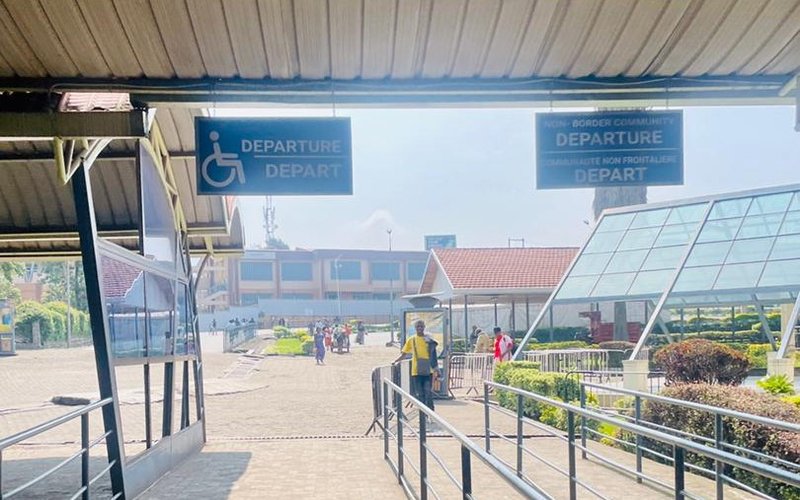
Local peace initiatives ignored by international agreements
However, these citizen-led efforts are not isolated. For several years, local and regional organizations, community media outlets, and artists from the DRC, Rwanda, Burundi, and Uganda have been collaborating on projects aimed at building or consolidating peace.
The organization Actions for the Promotion of Peace, Reconciliation, and Development in the Great Lakes Region (APRED-RGL) organizes participatory theatre fora involving Congolese and Rwandan actors. Together, they create plays to change the narrative, deconstructing hate speech between peoples in the region. On stage, borders disappear. Stereotypes are dismantled. The humanity of “the other” is restored.
The Greater Virunga Transboundary Collaboration (GVTC), an intergovernmental initiative bringing together the DRC, Rwanda, and Uganda, uses nature conservation, tourism, and collaborative management of cross-border natural resources as a mechanism for peacebuilding. Because mountain gorillas, for whom this area is the only natural habitat in their world, have no regard for political borders.
Twinning activities between Congolese and Rwandan community media professionals have also already taken place. For more than five years, the regional media organization Afia-Amani Grands-Lacs has been training journalists “from all sides in the fight against fake news and hate speech,” notes coordinator Nadine Kampire, who is aware that the media must “help bring the peoples of the region closer together by reporting objectively, while avoiding radicalism and polarization.”
Artistic and cultural collaborations have already brought the two peoples together, such as the Amani (peace in Swahili) festival organized each year in the DRC. While everyday people come together in peace, politicians unfortunately make divisive speeches “in the name of the very people they do not know how to consult in advance”, in the words of an independent observer who wishes to remain anonymous.
Official peace versus real peace
Herein lies the tragic paradox: while Washington celebrates its agreements and leaders pose for photos, it is ordinary citizens like Baraka, Ndagijimana, Kampire, and thousands of people like them who bear the daily burden of real peace in the region.
laments an independent observer of the region, who requested anonymity for his safety.
Because peace does not come from a document signed in Washington. It does not come from a triumphant declaration by an American president seeking to restore his diplomatic reputation. Peace is a living, daily, fragile process, carried out by ordinary people whom the architects of international agreements never consult.
It can be found in the microphone of social worker Ghislain Baraka, who spontaneously mixes Swahili and Kinyarwanda. It can be found in the baskets of Ndagijimana Clarice, who crosses the border every morning. It can be found in the plays of APRED-RGL and the balanced reporting of the Afia-Amani Grands-Lacs media. It can be found in the gorillas living across the borders and the meals shared between Congolese and Rwandan women.
Listen to those who are truly building peace
Ghislain Baraka perhaps sums up this little-known reality best:
His message to intellectuals and decision-makers is clear: lasting peace cannot be decreed from above. It is built from the bottom up, in cross-border marriages, morning markets, artistic collaborations, shared forests, and friendships that defy borders.
Until the architects of “official peace” understand this simple truth and finally begin to consult those who build real peace every day, their agreements will remain what they are: pieces of paper signed in distant capitals, while on the shores of Lake Kivu, true peace continues to be built, lived, sung, sold, and shared, one day at a time.