Baraza Peace Courts: ensuring fair and non-punitive justice in DRC
The Baraza, community-led courts, ensure accessible, fair and non-punitive justice to communities in rural areas, where conflicts can quickly turn violent.

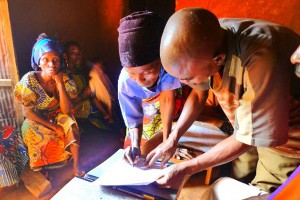
The Baraza, community-led courts, ensure accessible, fair and non-punitive justice to communities in rural areas, where conflicts can quickly turn violent.
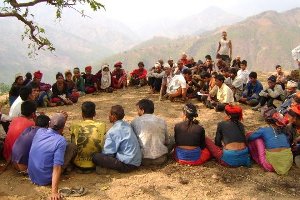
Current peacebuilding programmes in Nepal have come under widespread criticism that they’re not benefiting the people most affected by violence.

An interview with Colombian musician César López, who, since 1994, has been challenging the violence in his country through his music.
This month’s Insight on Conflict newsletter features resources on LRA demobilisation, local opinions on aid and development, and more.
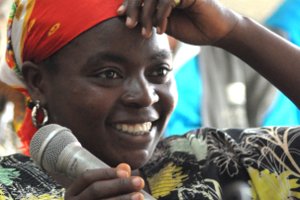
In June we launched the competition ‘Tomorrow’s Peacebuilders’ for the best emerging peacebuilders, any where in the world. Today we are pleased to announce the shortlist.
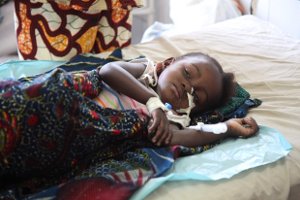
David Thomson, from World Vision UK, highlights the benefits of INGOs partnering and working closely with local organisations in a country like the DR Congo.

Tthe role of memory in guiding the current narrative of Rwandan society, institutions, and reconciliation.
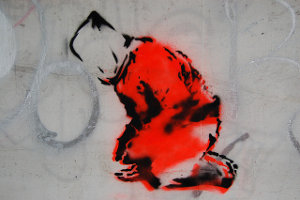
Despite not being a traditional armed conflict, Kirthi Jayakumar argues that sexual violence has been rampant in the global war on terror.
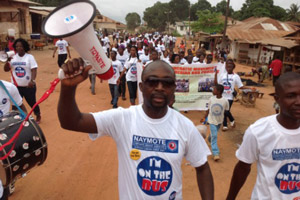
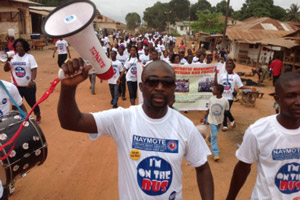
As a result of years of conflict, Liberian youths are marginalised and vulnerable. To tackle this problem, Naymote has launched The Liberian Bus Project.
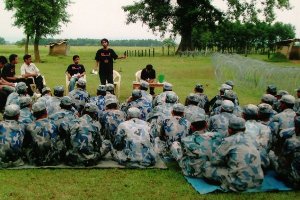
Dipendra Tamang discusses the dangers of foreign donor influence in peacebuilding and why it is important to take a ‘local first’ approach to conflicts not just in Nepal, but worldwide.
This month’s Insight on Conflict newsletter features resources on impact evaluation, civil society in Colombia and more.
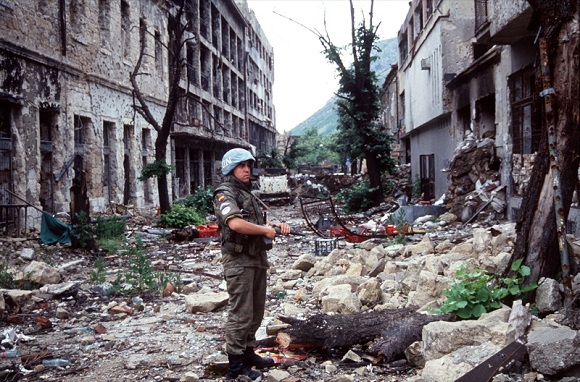
The ICTY was established in the years after the conflict in the Balkans to bring war criminals to justice. But has it failed in bringing justice to the victims?