Build Back Better: Responding to the attack on development by offering better models of practice
Can a decolonial MEL framework provide the basis for co-creation and co-learning?

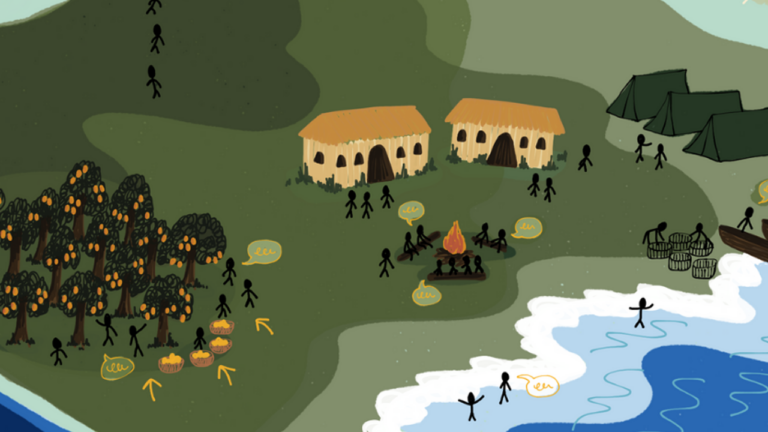
Can a decolonial MEL framework provide the basis for co-creation and co-learning?
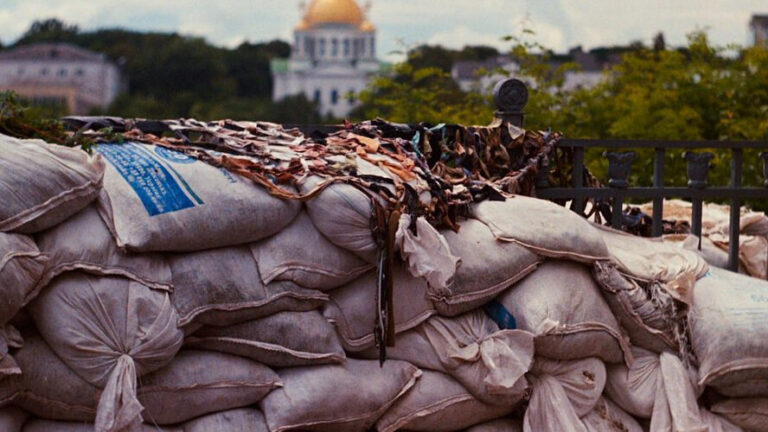
Ukrainian correspondent Olga Dolinina explores the pitfalls and successes of international involvement in Ukraine’s peace efforts.
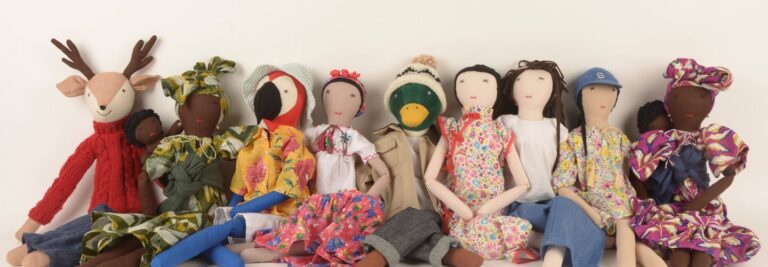
When Taliban regained full control of Afghanistan in 2021, millions of women saw their freedoms disappear almost overnight. Many fled the country in search of safety and opportunity. Silaiwali, a social enterprise based in New Delhi, has helped to provide Afghan women an opportunity to earn their livelihood, rebuild confidence and develop a community through craftsmanship.
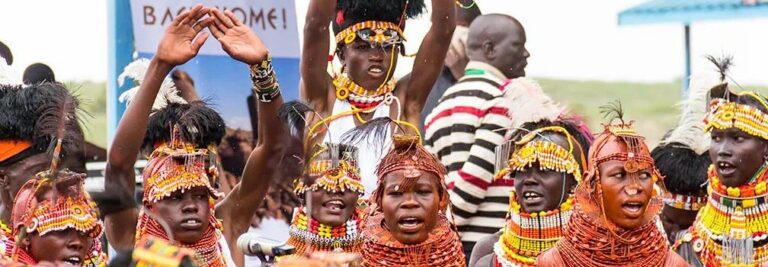
For decades, parts of Kenya’s northwest region had been accustomed to inter-community conflicts. But with the arrival of the Tobong’u Lore Cultural Festival, communities began to negotiate a truce and celebrate their rich, shared cultural heritage.
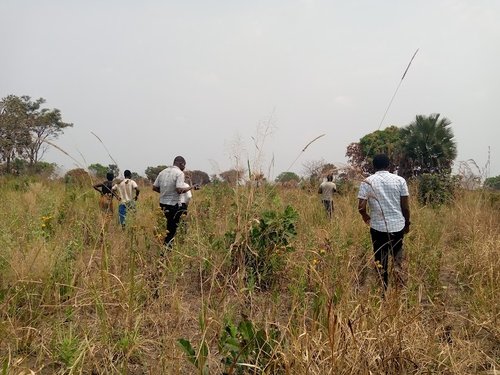
What happens when legal aid funding falls silent but the land still speaks? Acholi youth are turning to memory to protect their land in post war northern Uganda.
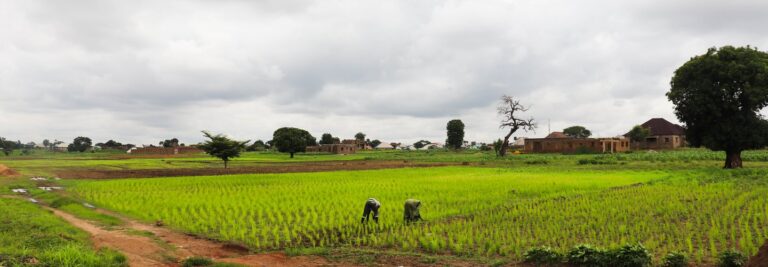
Founded in 1996 by Margret Mama, the Hope for a Village Child Foundation (HVCF), implemented an innovated peacebuilding model called the Community Peace Committee (CPC). Since 2019, it has helped build peace and security in Kaduna State, Nigeria.
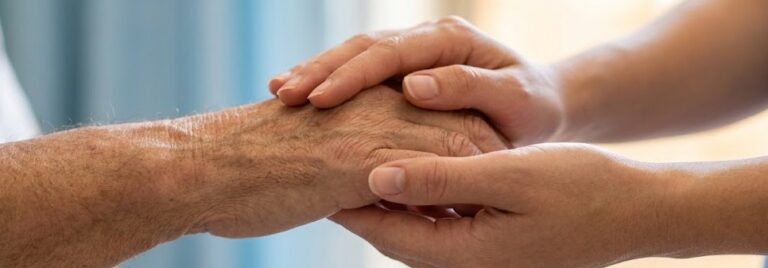
As a licensed pharmacist with two decades of professional experience navigating the complexities of Eastern Europe’s healthcare systems, I have observed a profound reality. Health insecurity directly drives deep social tension. When vulnerable families feel entirely abandoned by their local medical infrastructure, or when the fear of illness is compounded by poverty, the result expands far beyond a public health crisis. It creates a severe breakdown of social trust and civic alienation. Yet, in these exact spaces, a practical kind of peacebuilding is currently taking root. This grassroots movement is led by dedicated community health workers who bridge the gaps between marginalised citizens and the institutions built to serve them.
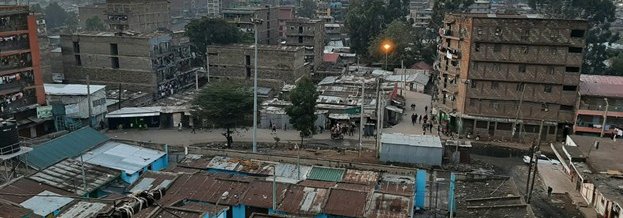
In the heart of Nairobi’s industrial area lies Mukuru, the second largest informal settlement in Kenya. Known for overcrowding, poverty, and inadequate infrastructure, Mukuru faces recurring threats like floods, fires, forced evictions, and violence. Amid these challenges, a grassroots movement has flourished, one that offers hope, justice, and a new path to peace.
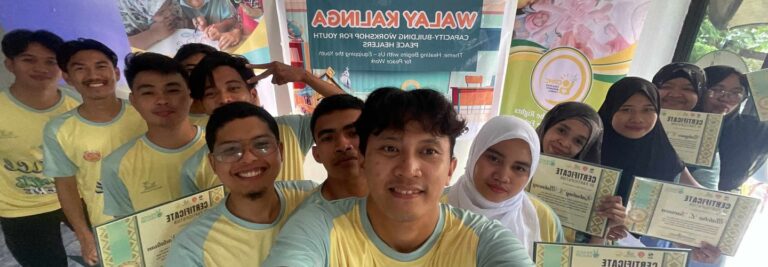
Young people in Maguindanao del Sur have created safe and culturally-grounded healing spaces. Here children and youth can begin to process fear, express emotions, and rebuild trust. So far, nearly 100 young people have benefited from it, transforming silence into shared stories and resilience.
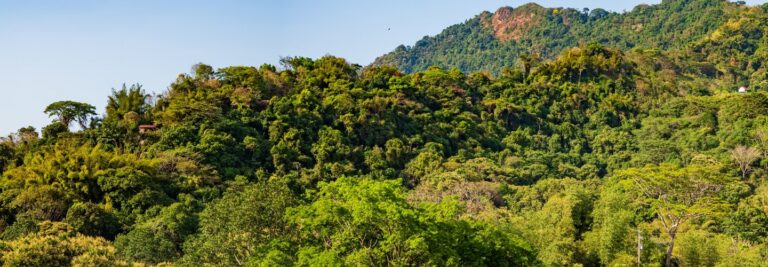
The National Network of Citizen Initiatives for Peace and Against War (REDEPAZ) a civil society organisation with members throughout Colombia, have developed relationships with indigenous communities of the Sierra Navada de Gonawindúa and facilitated dialogues and build peace.
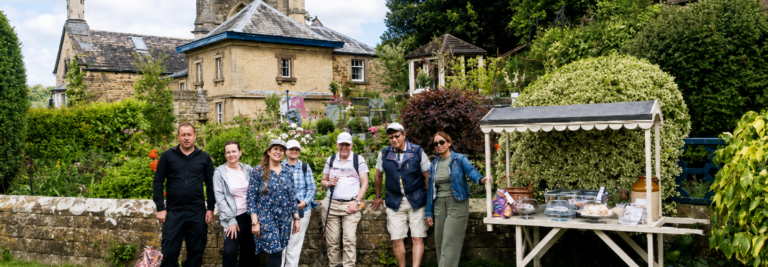
In a city shaped by migration and austerity, grassroots organisations are doing the quiet, unglamorous work of building sanctuary, one conversation at a time.
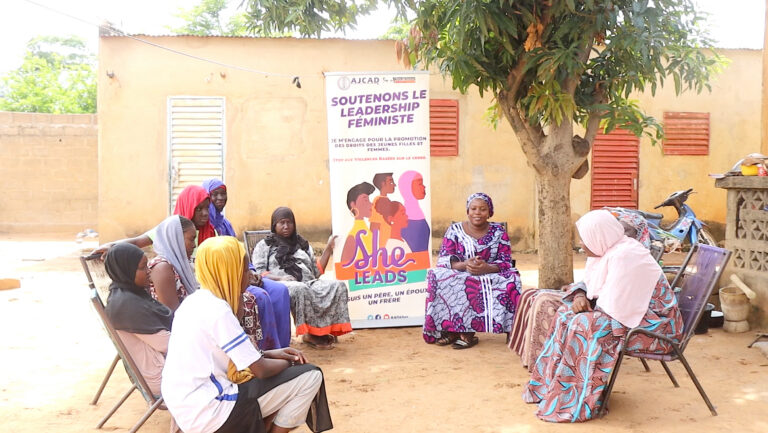
Thousands of young people are joining with AJCAD with the shared belief that peace cannot be built solely in the political or diplomatic spheres, but rather, at the heart of communities, where conflicts are experienced on a daily basis.