Peace From Below: The Mukuru Community Justice Centre, reclaiming rights and restoring hope for community members
In the heart of Nairobi’s industrial area lies Mukuru, the second largest informal settlement in Kenya. Known for overcrowding, poverty, and inadequate infrastructure, Mukuru faces recurring threats like floods, fires, forced evictions, and violence. Amid these challenges, a grassroots movement has flourished, one that offers hope, justice, and a new path to peace.
Founded in 2018 following training by the Social Justice Working Group, Mukuru Community Justice Centre (MCJC) is a powerful example of local peacebuilding in action. The organization is made up of local residents – many of whom are human rights defenders united in their mission to challenge structural violence and defend the dignity of their community.
Born Out of Injustice
The need for MCJC was urgent. Residents of Mukuru were being displaced with little notice and often no compensation as land was developed through government projects. Homes and livelihoods were destroyed, often without due legal process. Cases of extrajudicial killings, sexual and gender-based violence (SGBV), police brutality, and land grabbing were rampant but not documented.
MCJC emerged as a responsive, community-based organization committed to defending human rights and resisting injustice through nonviolent means. Its formation marked a shift in how Mukuru residents engaged with their reality: from silent victims to active defenders.
Justice as a Path to Peace
MCJC’s work focuses on educating the community about their rights, offering legal support through partners, and building solidarity across the social struggles in Mukuru. The Centre trains youth and volunteers in community documentation, enabling them to record and report human rights violations accurately and safely. These records become tools for advocacy and legal action preventing impunity and deterring future violations.
Peacebuilding in Mukuru isn’t about ceasefires or post-conflict recovery. Here, peace means access to housing, justice, safety, and dignity. MCJC works with local duty bearers, local media, and civil society groups to influence policies and push for participatory development.
During the COVID-19 lockdowns, MCJC volunteers helped distribute food and hygiene items while documenting abuses tied to enforcement. Their role helped reduce tensions and ensured vulnerable residents weren’t ignored. Their engagement with national bodies like the Kenya National Commission on Human Rights and international networks amplifies local voices while maintaining community ownership of the struggle.
A Model for Grassroots Change
MCJC exemplifies how community led organizing can confront injustice and create peaceful alternatives, even in high-risk urban areas. They challenge the dominant perception that slums are violent or chaotic, instead, showing residents of Mukuru that it is a site of resistance, resilience, and radical hope.
As the Kenyan government continues to roll out urban development projects, MCJC continues to advocate for inclusive planning, tenure security, and human centered solutions that prioritize people over profit.
In areas where forced evictions are common, MCJC has organized peaceful protests, public forums, and negotiations to stop or delay displacements. When demolitions occur, they help residents navigate legal avenues and media engagement. Such efforts not only deescalate tension but restore trust in nonviolent resistance.
Empowering the Margins
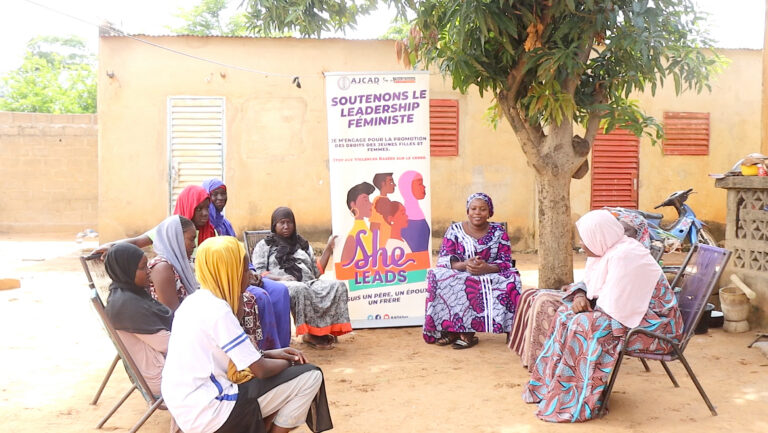
MCJC also works with women and youth who are often the most affected by systemic injustice. Through SGBV awareness campaigns, dialogues, and referral networks, they address safety and accountability. Many local women, who in the past have been supported by MCJC, now participate in civic forums adding gendered voices to the fight for housing and health rights.
Youth are engaged through creative arts, sports, and digital storytelling, turning energy that might otherwise be co-opted by crime or despair into activism and innovation.
Syombua Dorcus, one of the members of MCJC, stated, “Before I joined MCJC, I felt helpless. Now I know my rights and I help others. We may not have money, but we have our voice and art skills that we use.”
Peacebuilding in Practice
Mukuru Community Justice Centre is not just a watchdog, it is a lifeline, a school and a beacon in one of Nairobi’s most vulnerable neighborhoods. In a place where injustice once thrived in silence, MCJC has helped rewrite the script, from despair to agency, from invisibility to influence.
Our journey shows that peacebuilding does not always wear a uniform or arrive with funding. Sometimes, it wears the dust of Mukuru’s paths, holds a camera, a notebook, or a placard, and says: “We are watching. We deserve better.”
Locations
Themes