Build Back Better: Responding to the attack on development by offering better models of practice
Can a decolonial MEL framework provide the basis for co-creation and co-learning?

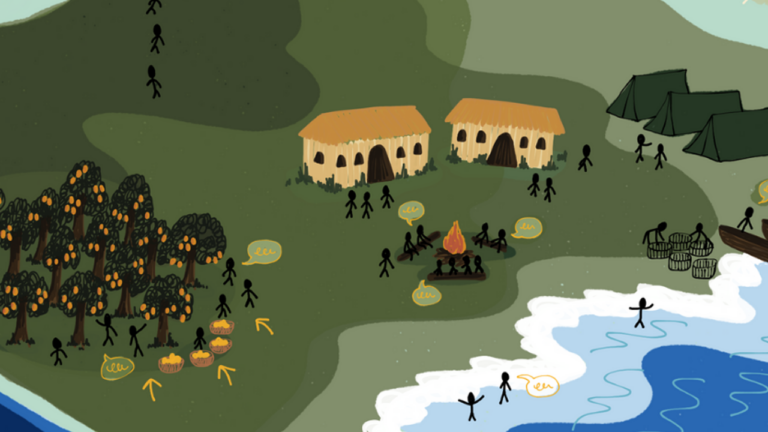
Can a decolonial MEL framework provide the basis for co-creation and co-learning?
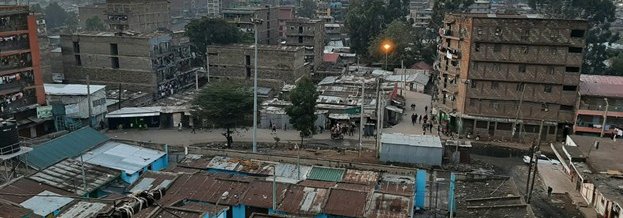
In the heart of Nairobi’s industrial area lies Mukuru, the second largest informal settlement in Kenya. Known for overcrowding, poverty, and inadequate infrastructure, Mukuru faces recurring threats like floods, fires, forced evictions, and violence. Amid these challenges, a grassroots movement has flourished, one that offers hope, justice, and a new path to peace.
As US President Trump boasts of having “ended the war” between the Democratic Republic of Congo (DRC) and Rwanda, the atrocities continue as nothing has changed. Ordinary citizens continue to build bridges to address the violence the peace treaty failed to address and who diplomats ignore as viable partners for peace.
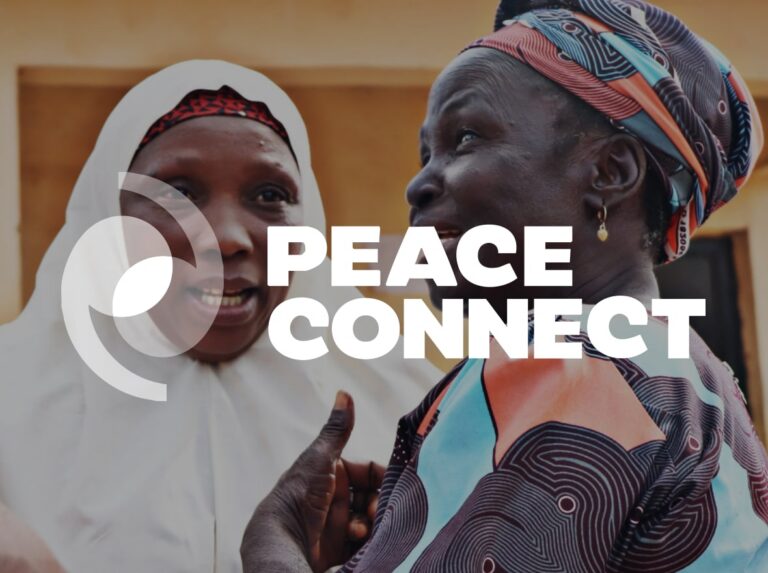
Natalia Peláez Pérez shares her experience and reflections after attending Peace Connect, a global gathering of local peacebuilders hosted in Nairobi, Kenya, in October 2025.
In an age of collapsing funding and existential threats, philanthropists and civil society must act together to reimagine a better future for the sector.
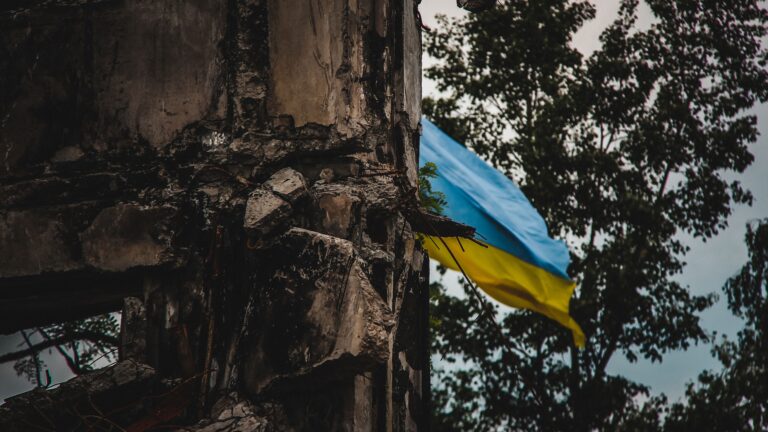
The suspension of funding in January 2025 has ‘severely impacted’ provision of humanitarian services by Civil Society Organisations (CSOs) in Ukraine, with programmes relating to WASH (Water, Sanitation & Hygiene), food, health, and education programmes reduced by one-third on average. The humanitarian data initiative REACH reports that ‘key oblasts such as Khersonska, Kharkivska, and Odeska are most affected, putting vulnerable populations at increased risk’.
Urgent call for support, solidarity and systems change from global civil society in light of funding cuts.

Kessy Ekomo Soignet highlights the emotional cost local peacebuilders face as they continue their efforts in the face of restricting environments and underfunding. But she also shares a message of hope and solidarity.
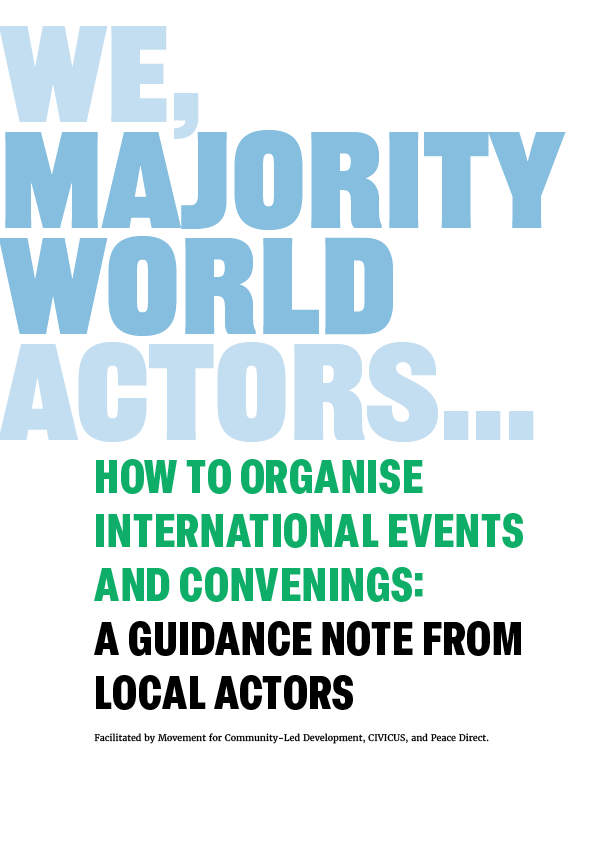
A guide from Global South local actors.
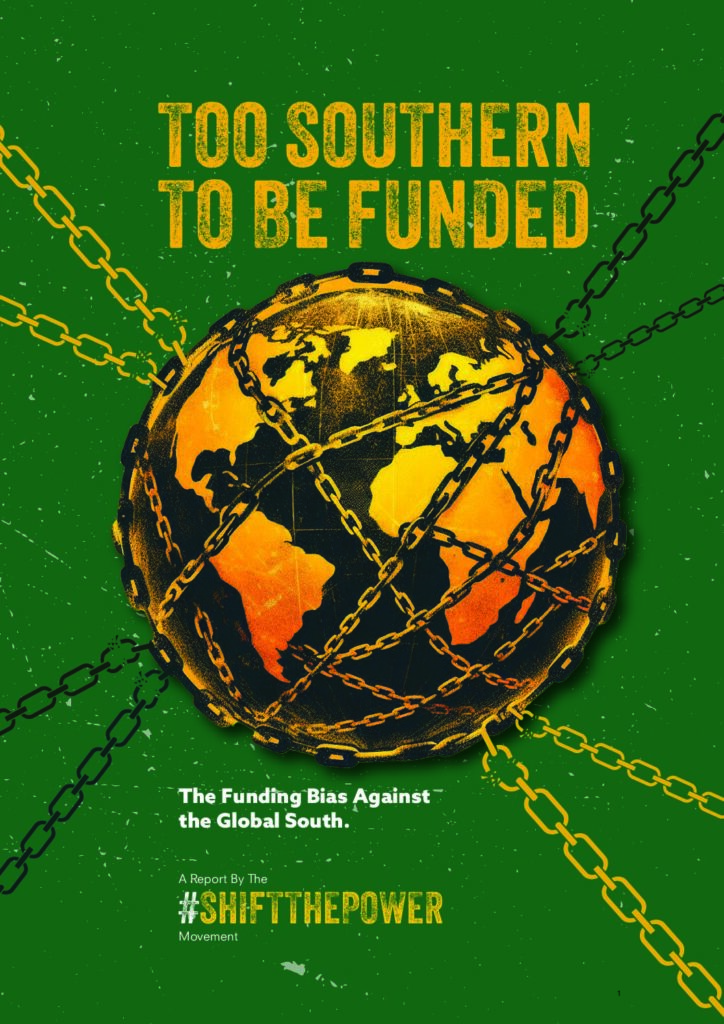
Donor countries must honour their commitments to genuine development. Sign the open letter demanding #UntiedAid to promote fairness and empower communities in the Global South, and read the research underpinning this campaign.
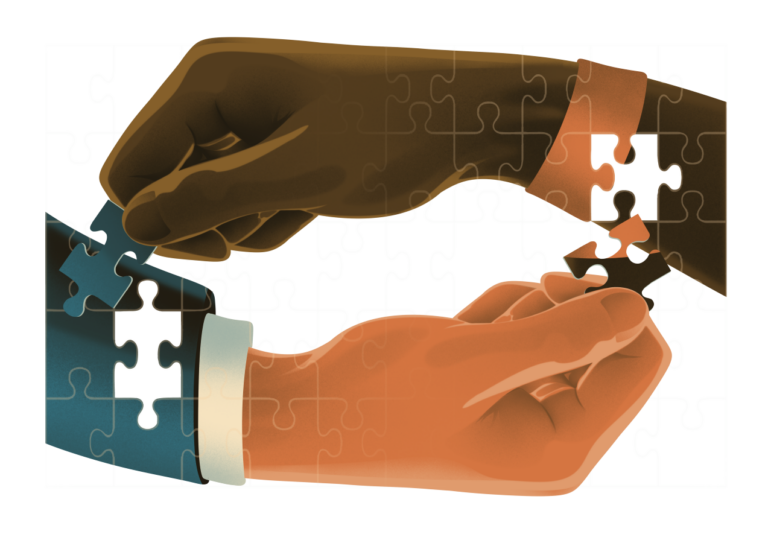
Transforming Partnerships in International Cooperation provides an operational guide to decolonising partnerships in the humanitarian, peacebuilding and development sector.
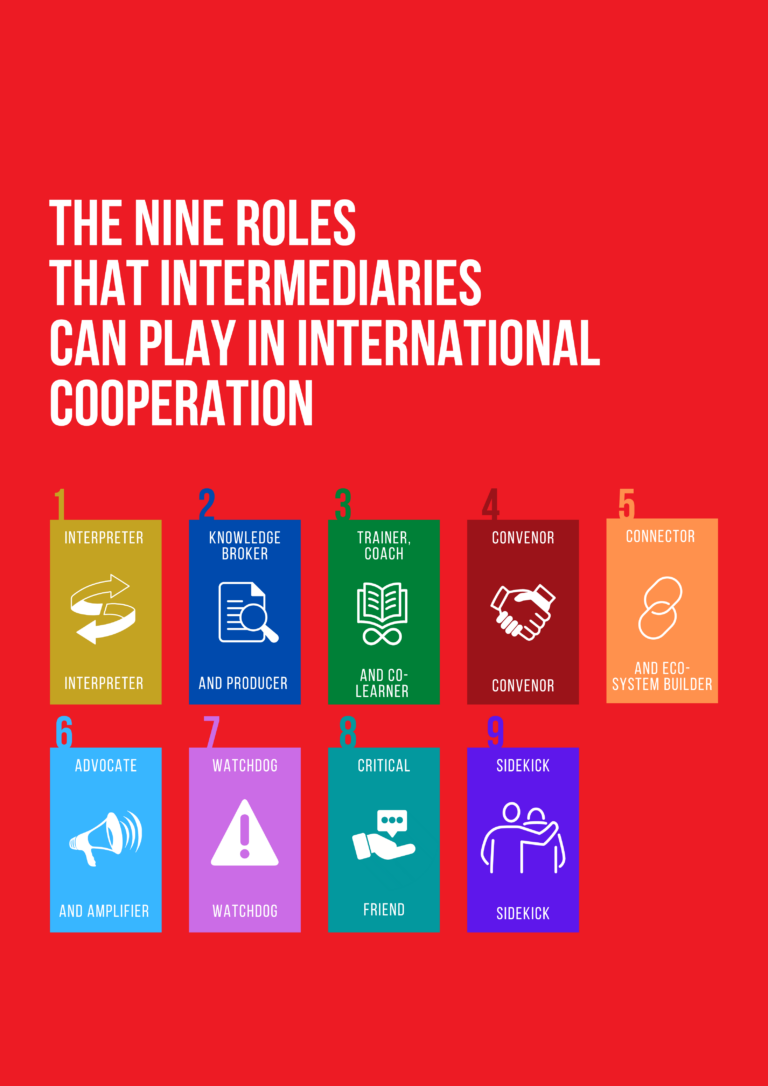
As the sector changes, INGOs can shift away from playing an 'implementer' role – this report from Peace Direct highlights nine roles for organisations to play.