Talking peace in Nepal
The state of peace talks between the Nepalese government and the countries many small armed groups.

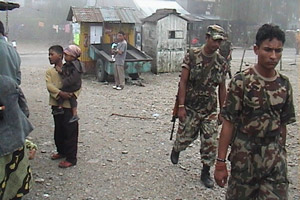
The state of peace talks between the Nepalese government and the countries many small armed groups.
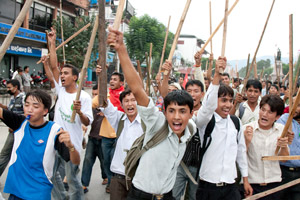
Fighting crime: how understanding security for an increasingly young, urbanising Nepal is important for peace.
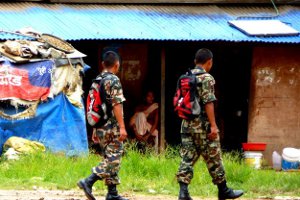
Why participation has to be at the centre of Nepal’s transitional justice process.
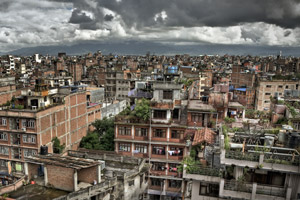
A look at the creation of the Truth and Reconciliation Commission and Disappearance Commission in the steps toward justice for victims of Nepal’s civil war.
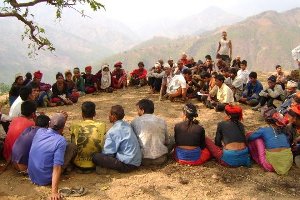
Current peacebuilding programmes in Nepal have come under widespread criticism that they’re not benefiting the people most affected by violence.
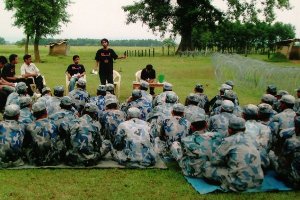
Dipendra Tamang discusses the dangers of foreign donor influence in peacebuilding and why it is important to take a ‘local first’ approach to conflicts not just in Nepal, but worldwide.
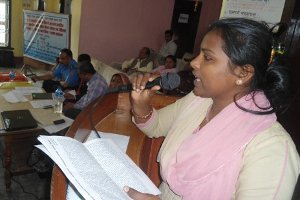
Shyam Kumari Sah, local peacebuilding organisation, Mukti Nepal, speaks about their work to eradicate female human rights abuses and injustice.

What is needed to provide give women in Nepal the chances to become leaders and peacebuilders.
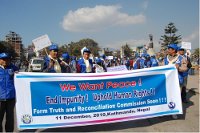
Nepal is in desperate need of a truth and reconciliation commission to investigate human rights abuses and promote reconciliation.
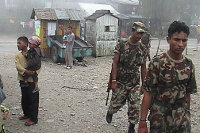
The process of demobilising thousands of former fighters in Nepal has proved to be a long and difficult challenge.
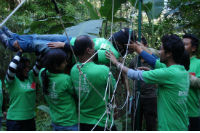
Despite 10 years of armed, conflict peacebuilding organisations in Nepal worked tirelessly promoting dialogue, mediation and negotiation.
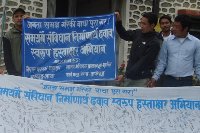
There have been huge efforts by Nepalese civil society to put pressure on Nepal’s politicians to reach a consensus on a new constitution.