Rebuilding the lives of war-affected women
The story of Empowering Hands, a local organisation rebuilding the lives of war-affected women in Uganda.
This post was originally published on the Ashoka Peace Blog.
When she was 13 years old, Ashoka Fellow Milly Auma was captured by the Lord’s Resistance Army in Uganda, and was forced to serve as a the wife of a rebel commander. Eight years later, when she was finally able to escape back to her village with her two children, Milly was met by former friends and neighbors with hostility and fear. The realities she had brought home with her, in the form of both her children and her scars, epitomized everything the residents of her village had been trying to escape.
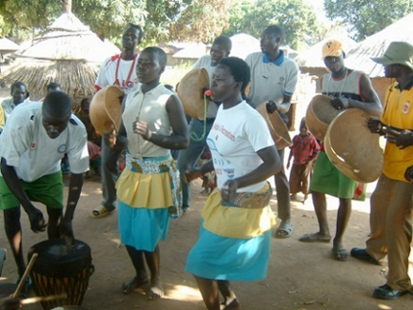
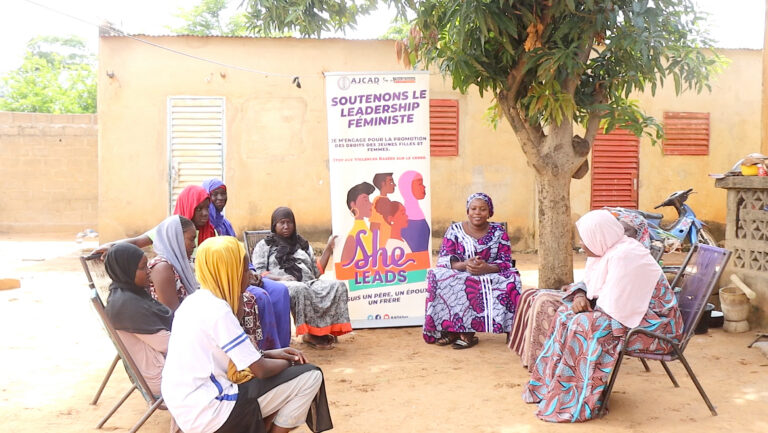
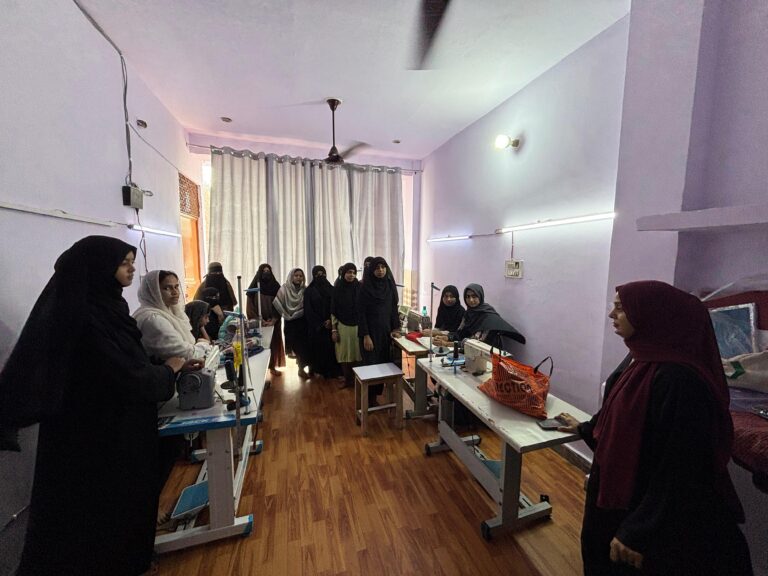
Milly was not the only one who felt like a stranger in her own home. Hundreds of women and their children returning from abduction were facing similar challenges of being ostracized by their communities. When she saw that many of these women were beginning to prefer life in the bush to an inability to rebuild their lives, she organized a small group of struggling women and helped them gain access to counseling, job skills training, and educational scholarships, proving that even war-affected women can rebuild their lives and contribute to their communities. Today, her organization Empowering Hands has organized and trained the first corps of women returnees to provide services within internallly displaced people’s camps. In five refugee camps in northern Uganda serving more than 1,300 people, the corps counsels women and works with them to become self-sustaining by applying for microloans and opening their own businesses.
Before Empowering Hands, many formerly abducted women were buried by the shame and terror of their experiences; this, perpetuated by the fact that none of their former friends or family wanted to know or understand the plight of these women, created even less opportunity for peaceful reconciliation. Now though, many women can feel comfortable to share their experiences with fellow returnees, spread awareness throughout the community by staging plays about their experiences in the bush, and generate an empathetic muscle within the society.
Fear is a wicked deterrent. While it can often be used to dissuade violence, it can even more effectively dissuade peace. When we are motivated by fear, like the people of northern Uganda, we sacrifice the ability to take risks, to accept, and sometimes even to love. The unseated hatred between abductees and their former villages is a product of a reluctance to remember, overwhelmed by a desire to forget. Milly Auma and the leaders she has enabled understand the importance of the memories of their nightmares as a mechanism to regain strength and rebuild, rather than searching for a stone to cover a horrific reality.
Locations
Themes