The land remembers: a path to peaceful coexistence in Uganda
What happens when legal aid funding falls silent but the land still speaks? Acholi youth are turning to memory to protect their land in post war northern Uganda.

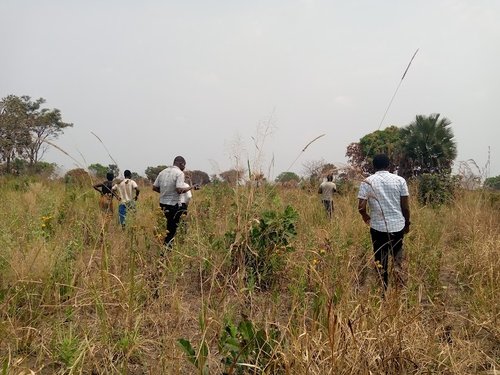
What happens when legal aid funding falls silent but the land still speaks? Acholi youth are turning to memory to protect their land in post war northern Uganda.
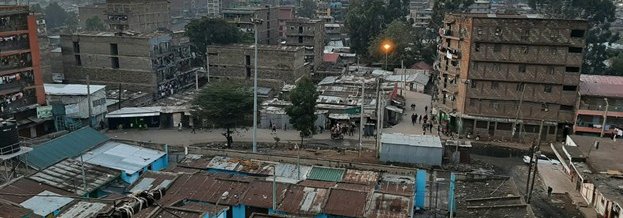
In the heart of Nairobi’s industrial area lies Mukuru, the second largest informal settlement in Kenya. Known for overcrowding, poverty, and inadequate infrastructure, Mukuru faces recurring threats like floods, fires, forced evictions, and violence. Amid these challenges, a grassroots movement has flourished, one that offers hope, justice, and a new path to peace.
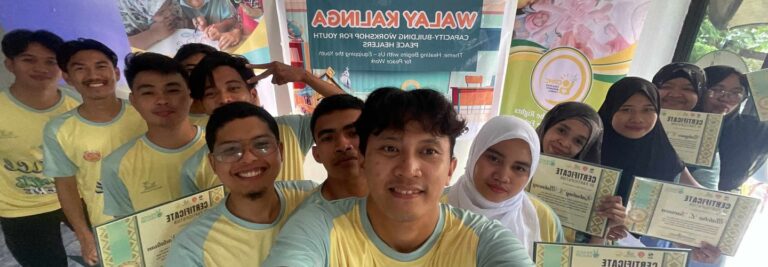
Young people in Maguindanao del Sur have created safe and culturally-grounded healing spaces. Here children and youth can begin to process fear, express emotions, and rebuild trust. So far, nearly 100 young people have benefited from it, transforming silence into shared stories and resilience.
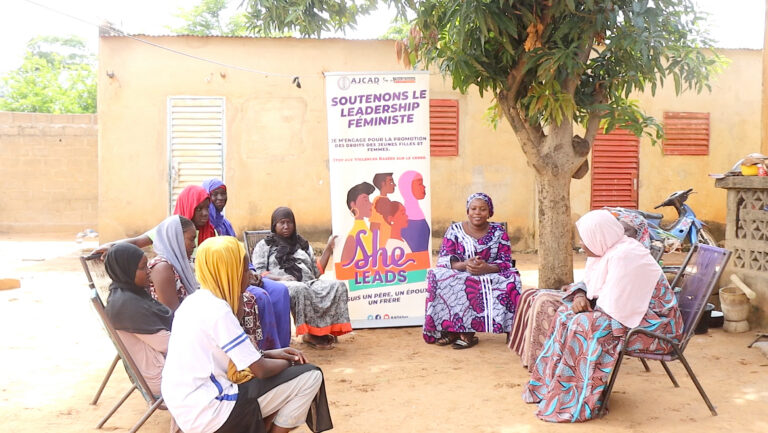
Des milliers de jeunes rejoignent AJCAD, animés par la conviction commune que la paix ne peut se construire uniquement dans les sphères politiques ou diplomatiques, mais bien au cœur même des communautés, là où les conflits sont vécus au quotidien.
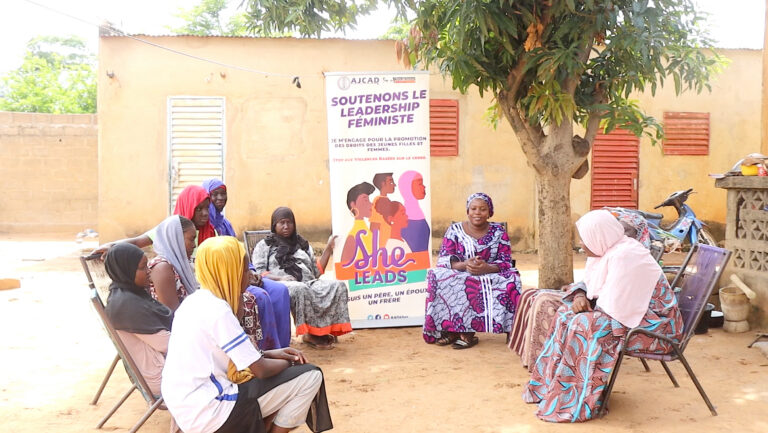
Thousands of young people are joining with AJCAD with the shared belief that peace cannot be built solely in the political or diplomatic spheres, but rather, at the heart of communities, where conflicts are experienced on a daily basis.
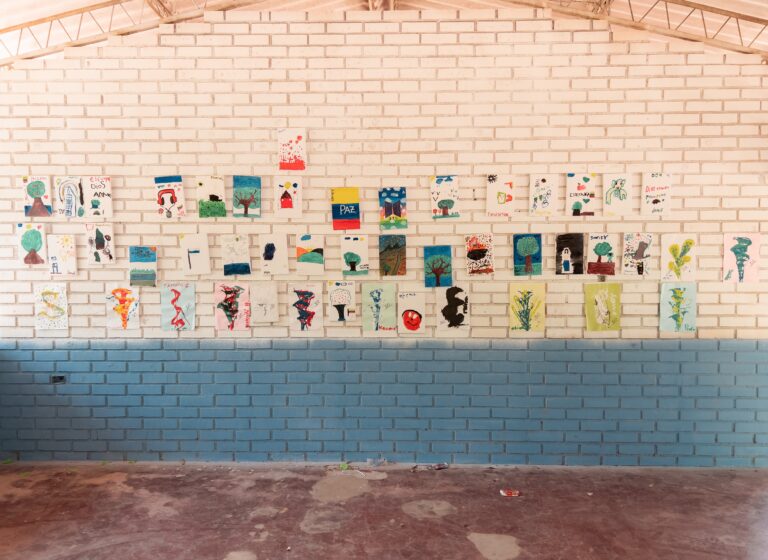
En la región colombiana del Catatumbo, incluso los más pequeños actos de solidaridad son atesorados por las Madres del Catatumbo por la Paz. En ocasiones, cuando una de las mujeres del grupo tiene necesidad de consuelo, las otras le tararean y mecen suavemente en una canción de cuna – el arrullo – una nana con la que normalmente se calma a los bebés. Muchas han perdido a seres queridos, han huido de sus hogares o han sido testigos del reclutamiento de sus hijos/as por parte de grupos armados. Este apaciguador ritual transforma el dolor individual en un duelo compartido – un símbolo de paz en una región históricamente marcada por el conflicto.
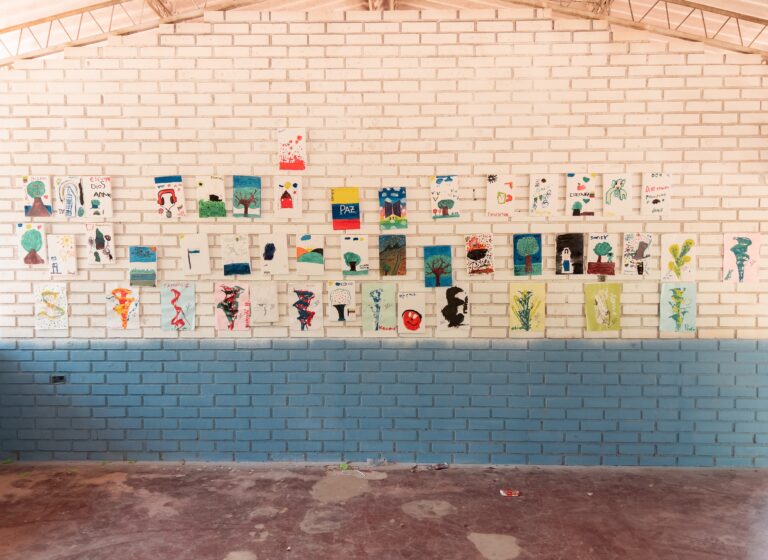
In Colombia’s Catatumbo region, even small acts of solidarity are treasured by the Mothers of Catatumbo for Peace (Madres del Catatumbo por la Paz). Sometimes, when a woman in the group needs comfort, the others softly hum and sway into a wordless arrullo – a lullaby usually sung to soothe babies. Many have lost loved ones, fled their homes, or seen their children recruited by armed groups. This quiet ritual turns individual pain into a shared sorrow – a symbol of peace in a region long scarred by conflict.
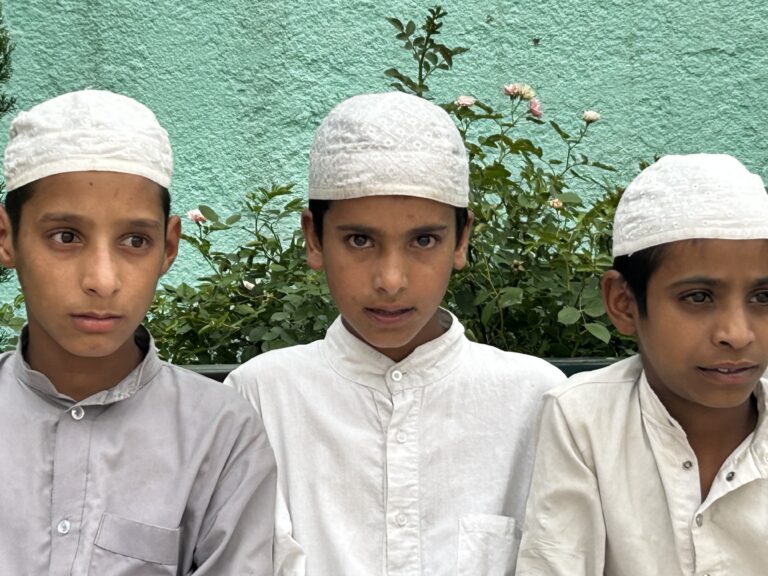
Almost three months after Operation Sindoor and the subsequent ceasefire between India and Pakistan, locals and social media reported that on 5 August there was firing from across the border, an allegation the army denied, stating there were no ceasefire violations. The incident once again stirred anxiety among the people, as tensions between the two countries continue to remain high. As such, the emotional and psychological trauma of the people has become a persistent reality. More so with the new war doctrine that any act of terrorism will be seen as an act of war. Here is an account of my visit to Poonch, the theatre of ‘war’, in May, soon after the ceasefire announcement.

At a time of heightened polarisation in India, local peacebuilders are turning to innovative, community-rooted strategies to resist hate and further inclusion. One example of this is The Community Library Project (TCLP), a network of free libraries located across Delhi – in South Extension, Malviya Nagar, and Sikanderpur – that provide access to books and safe spaces for dialogue, critical thinking, and collective learning.The idea of the library started in 2014, when a group of college students wanted to create space for open conversations in a country where public opinion has become increasingly polarised. Set up in the premises of an NGO-run school with just a few books on politics and social science, the library was born. What began as a small act of protest has since grown into a full-fledged reading movement with over 14,000 active members. By bringing together people of all age groups, the library encourages open and respectful discussions thus helping build understanding across divides.“We don’t call ourselves a peacebuilding organization,” Mausam Kamari, Director at TCLP, says with a smile. “But when people read together, question together, and care for one another, peace is what naturally grows.”
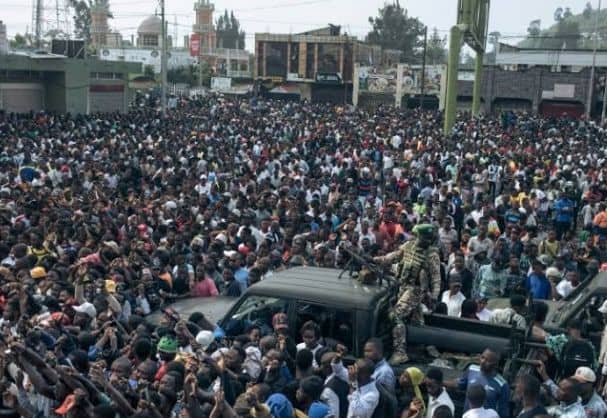
Le Nord-Kivu, un territoire de la RDC, est marqué par des décennies de conflits armés, actuellement entre le groupe rebelle M23/AFC et les Forces Armées de la République Démocratique du Congo (FARDC). Mais au-delà des combats sur le terrain, une autre guerre, plus insidieuse, fait rage : celle de l’information. La prolifération de la désinformation et de la propagande médiatique ne se contente pas d’alimenter la confusion ; elle sabote activement les efforts de consolidation de la paix et renforce l’instabilité sociale.
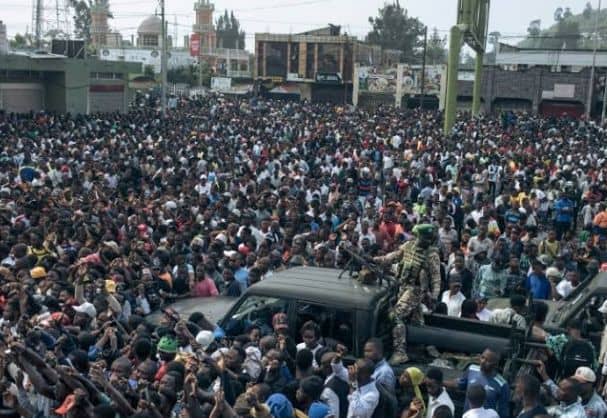
North Kivu, a territory of the DRC, has been marked by decades of armed conflict, currently between the rebel group M23/AFC and the Armed Forces of the Democratic Republic of Congo (FARDC). But beyond the fighting on the ground, another, more insidious war is raging: that of information. The proliferation of disinformation and media propaganda is not just fuelling confusion; it is actively sabotaging peacebuilding efforts and reinforcing social instability.
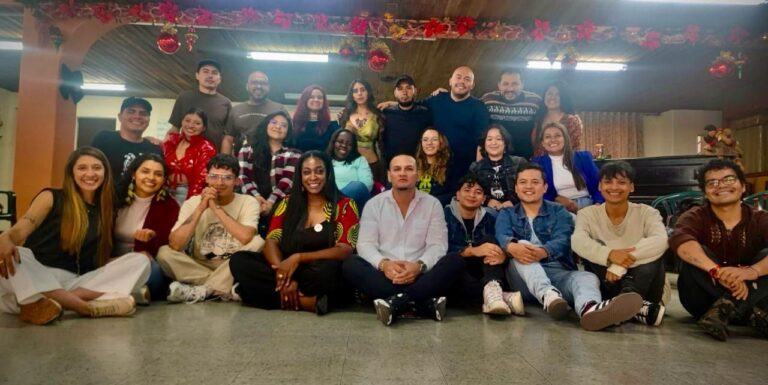
Justapaz, organización local de construcción de paz en Colombia, detalla la exitosa campaña por una alternativa al militarismo en Colombia: el Servicio Social por la Paz.