Build Back Better: Responding to the attack on development by offering better models of practice
Can a decolonial MEL framework provide the basis for co-creation and co-learning?

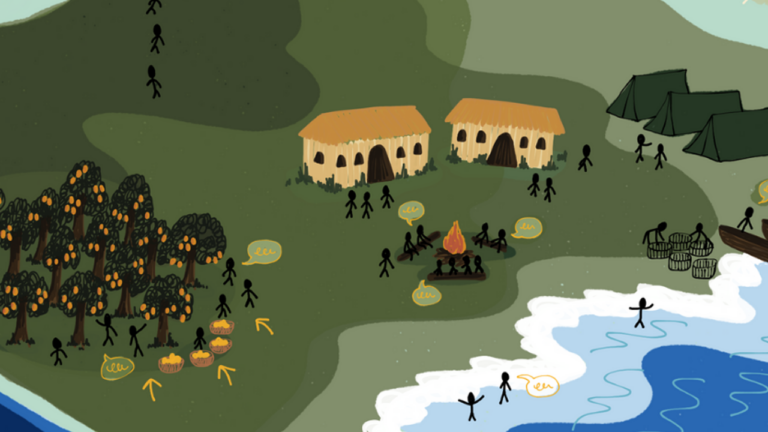
Can a decolonial MEL framework provide the basis for co-creation and co-learning?
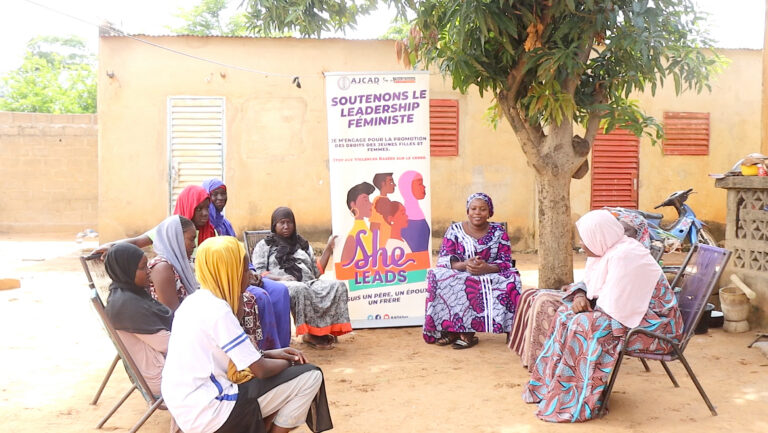
Des milliers de jeunes rejoignent AJCAD, animés par la conviction commune que la paix ne peut se construire uniquement dans les sphères politiques ou diplomatiques, mais bien au cœur même des communautés, là où les conflits sont vécus au quotidien.
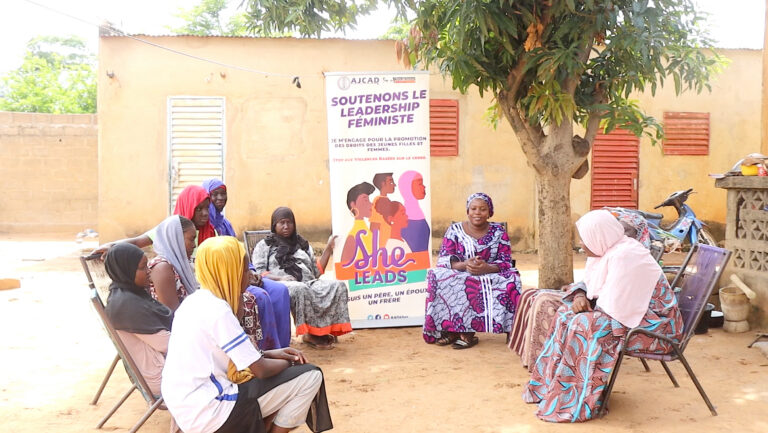
Thousands of young people are joining with AJCAD with the shared belief that peace cannot be built solely in the political or diplomatic spheres, but rather, at the heart of communities, where conflicts are experienced on a daily basis.
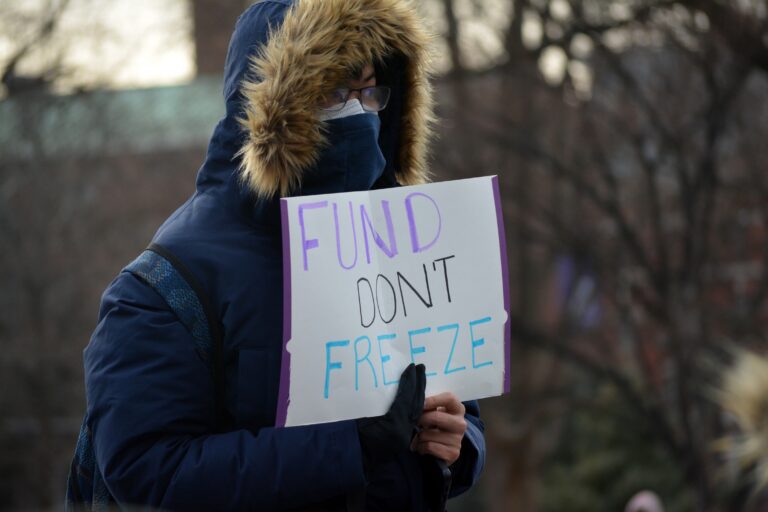
Let’s not wait for the US government or US courts to unfreeze the funding, and ‘return everything to normal’. Let’s work together to identify what we can each do, right now, to ‘unfreeze’ our sector.

This article explores the work of Florence Swamy, Executive Director of the Pacific Centre for Peacebuilding (PCP). She works in Fiji, a society that is patriarchal and where cultural considerations are paramount especially when designing peace interventions. Florence has a long history of engaging women in peacebuilding practice within this context, and has seen the dynamics of gender in this work evolve with time.
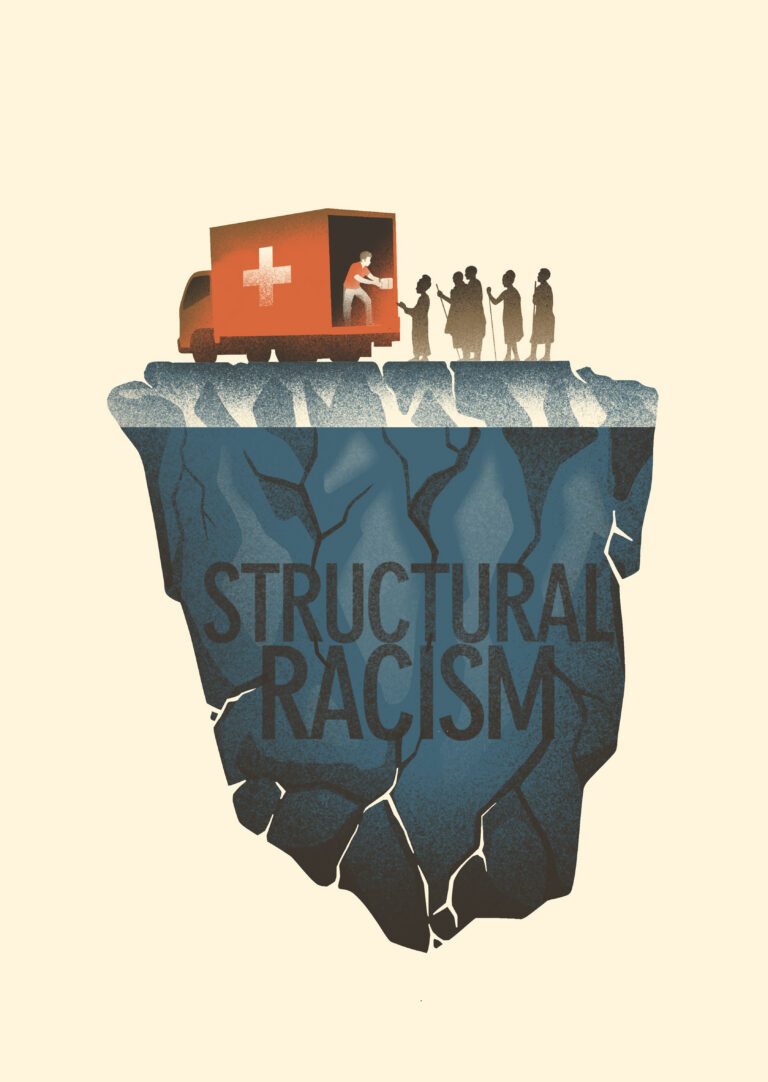
INGO country offices are a well-established part of the humanitarian, development and peacebuilding landscape.

In the context of both COVID-19 and the global racial justice movement, there’s energy like never before to listen to the people affected most by the issues, and for them to be represented in decisions and as a central part of diverse leadership. But what are the common features of a successful transition process, and what can we learn from the evidence about them?

What Transformation Takes: Evidence of Responsible INGO Transitions to Locally Led Development Around the World takes readers on a journey to examine responsible transitions from international non-governmental organizations to locally led entities.
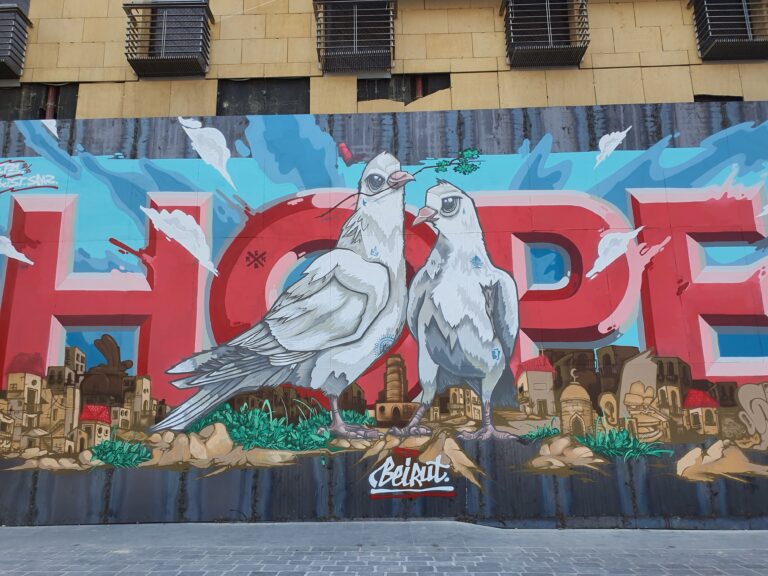
Four months since the devastating blast in Lebanon’s capital, our local correspondent Sawssan Abou-Zahr stresses why increased activism and an holistic approach to peacebuilding is needed now more than ever.
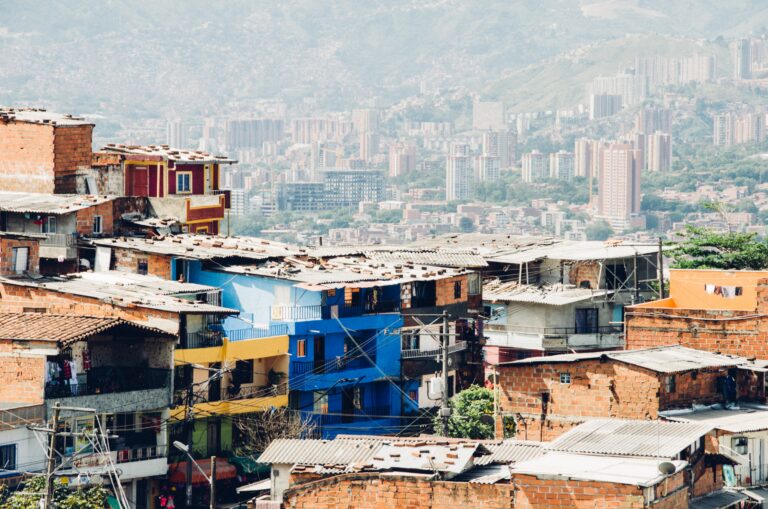
In this article, local peacebuilding expert in Colombia Lina María Jaramillo reflects on the impact of COVID-19 for peacebuilders, along with the opportunities brought about by a pandemic.
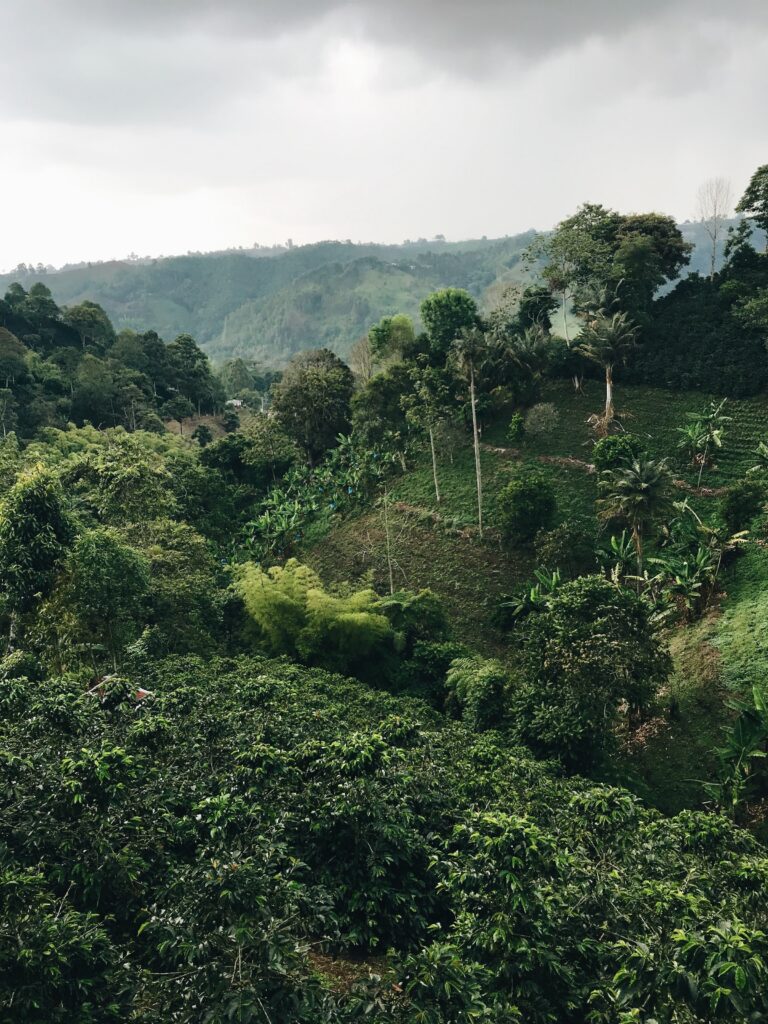
In this blog post, Juanita Esguerra-Rezk argues that a “territorial peace” approach is needed to curb coca production in Colombia, opposing the militarized approaches proposed by the current government. It exposes evidence related to the health, environmental and social costs of aerial spraying of Glyphosate herbicide, and asserts that sustainable peace must be built through the recognition and empowerment of local communities.
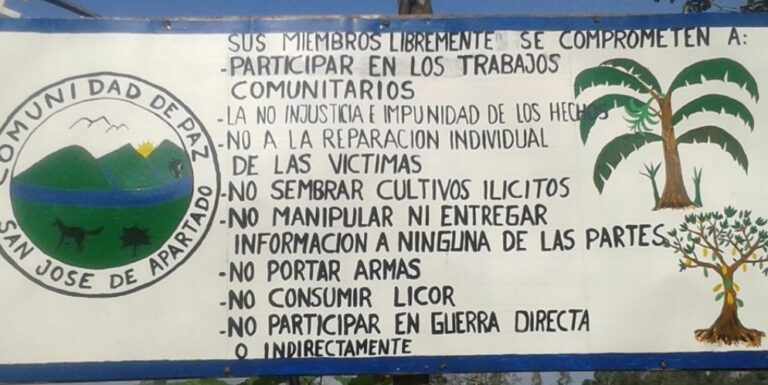
The Colombian Peace Agreement (CPA) is known as being the most inclusive peace deal to date, as several civil society organizations partook in the negotiation process and helped in drafting the final agreement. Two years later into the peacebuilding process, how inclusive is the implementation of Colombia’s peace?