Successes and challenges of international involvement in local peacebuilding in Ukraine
Ukrainian correspondent Olga Dolinina explores the pitfalls and successes of international involvement in Ukraine’s peace efforts.

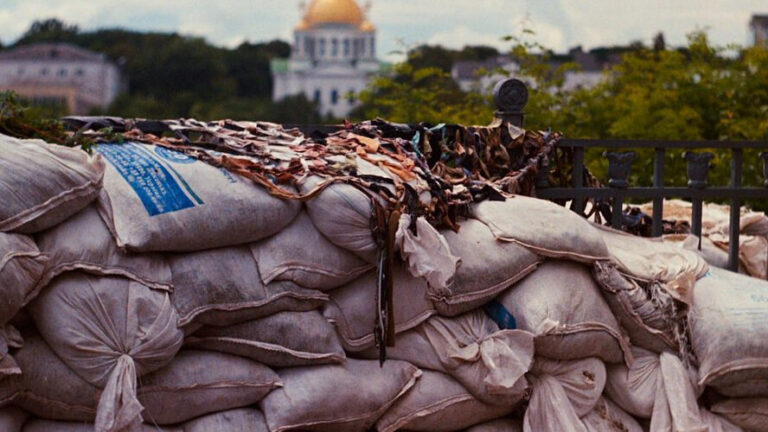
Ukrainian correspondent Olga Dolinina explores the pitfalls and successes of international involvement in Ukraine’s peace efforts.
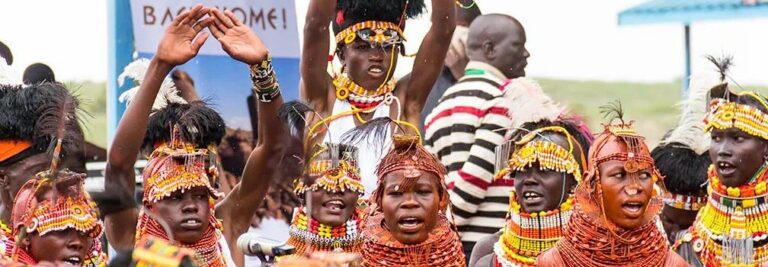
For decades, parts of Kenya’s northwest region had been accustomed to inter-community conflicts. But with the arrival of the Tobong’u Lore Cultural Festival, communities began to negotiate a truce and celebrate their rich, shared cultural heritage.
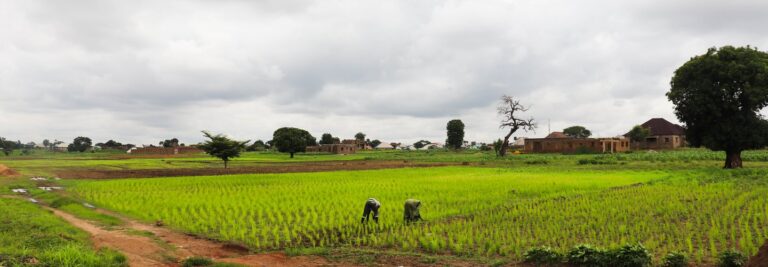
Founded in 1996 by Margret Mama, the Hope for a Village Child Foundation (HVCF), implemented an innovated peacebuilding model called the Community Peace Committee (CPC). Since 2019, it has helped build peace and security in Kaduna State, Nigeria.

As a licensed pharmacist with two decades of professional experience navigating the complexities of Eastern Europe’s healthcare systems, I have observed a profound reality. Health insecurity directly drives deep social tension. When vulnerable families feel entirely abandoned by their local medical infrastructure, or when the fear of illness is compounded by poverty, the result expands far beyond a public health crisis. It creates a severe breakdown of social trust and civic alienation. Yet, in these exact spaces, a practical kind of peacebuilding is currently taking root. This grassroots movement is led by dedicated community health workers who bridge the gaps between marginalised citizens and the institutions built to serve them.
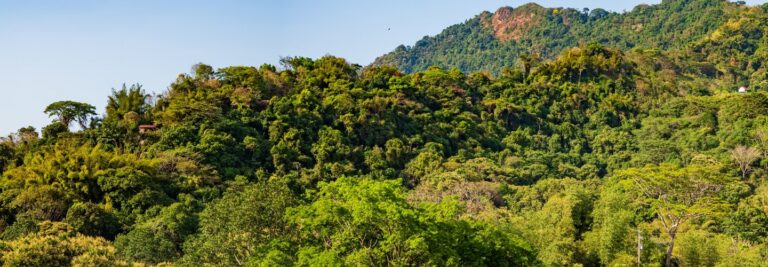
La Red Nacional de Iniciativas Ciudadanas por la Paz y contra la Guerra (REDEPAZ), una organización de la sociedad civil con miembros en toda Colombia, ha establecido vínculos con las comunidades indígenas de la Sierra Nevada de Gonawindúa y ha facilitado el diálogo y la construcción de la paz.
The National Network of Citizen Initiatives for Peace and Against War (REDEPAZ) a civil society organisation with members throughout Colombia, have developed relationships with indigenous communities of the Sierra Navada de Gonawindúa and facilitated dialogues and build peace.
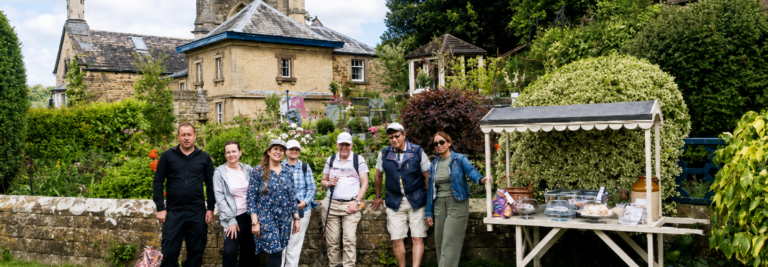
In a city shaped by migration and austerity, grassroots organisations are doing the quiet, unglamorous work of building sanctuary, one conversation at a time.
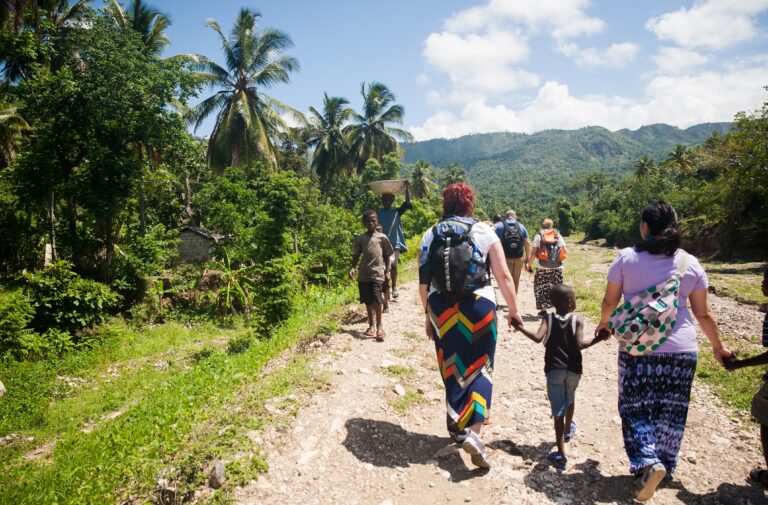
In the misty hills of southern Haiti, the town of Beaumont sits on a fault line of tension. Once a close-knit agricultural community, years of political instability, gang violence, and dwindling state presence have fractured trust among neighbours. What began as disputes over farmland and aid distribution gradually evolved into cycles of resentment and isolation. Yet in this uncertain landscape, a quiet movement has been unfolding, one led not by international nongovernmental organisations (NGOs) or government officials, but by local mediators who believe that peace must begin with conversation. Their work, modest in scale but profound in effect, is helping rebuild what years of unrest have eroded: people’s belief in one another.
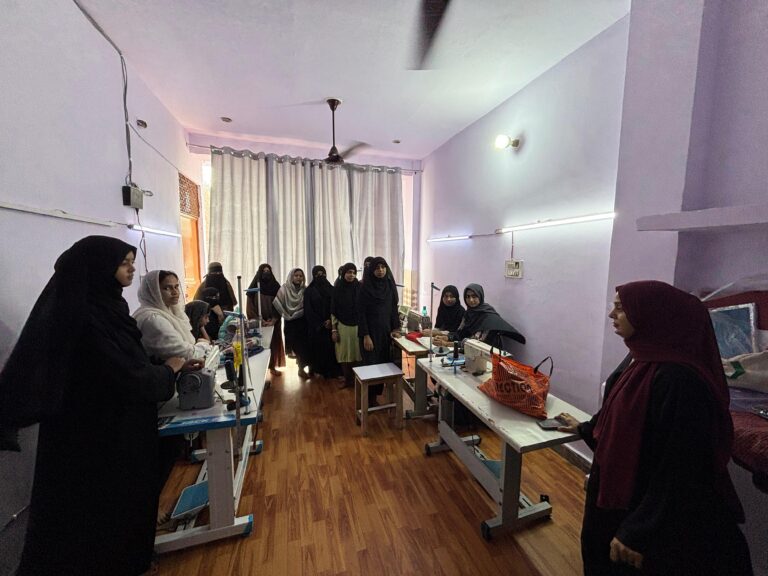
The 2020 Delhi pogrom left behind shattered homes, lost livelihoods, and women forced into silence by grief and fear. Yet, in the heart of this devastation, a quiet revolution began. Sabaat, an initiative born out of compassion and resilience, has given riot-affected women not just a safe space to share their trauma but also the tools to rebuild their lives. Through stitching, training, and newfound sisterhood, women who once felt powerless are now earning, standing tall, and reclaiming independence with dignity and hope.
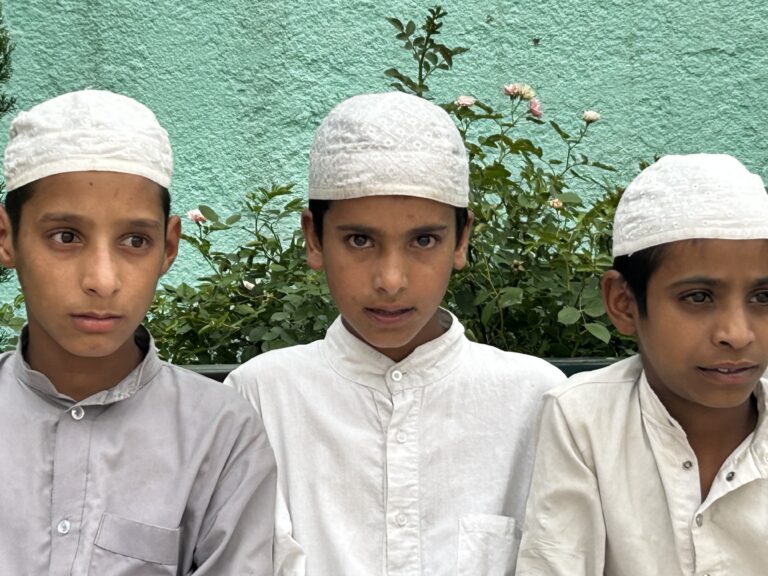
Almost three months after Operation Sindoor and the subsequent ceasefire between India and Pakistan, locals and social media reported that on 5 August there was firing from across the border, an allegation the army denied, stating there were no ceasefire violations. The incident once again stirred anxiety among the people, as tensions between the two countries continue to remain high. As such, the emotional and psychological trauma of the people has become a persistent reality. More so with the new war doctrine that any act of terrorism will be seen as an act of war. Here is an account of my visit to Poonch, the theatre of ‘war’, in May, soon after the ceasefire announcement.
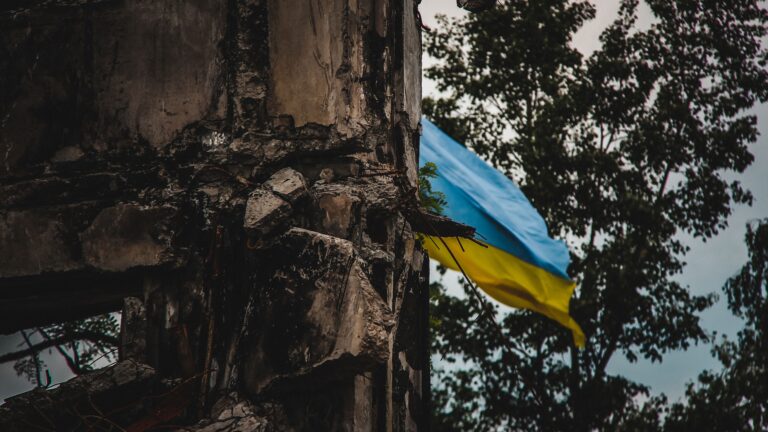
The suspension of funding in January 2025 has ‘severely impacted’ provision of humanitarian services by Civil Society Organisations (CSOs) in Ukraine, with programmes relating to WASH (Water, Sanitation & Hygiene), food, health, and education programmes reduced by one-third on average. The humanitarian data initiative REACH reports that ‘key oblasts such as Khersonska, Kharkivska, and Odeska are most affected, putting vulnerable populations at increased risk’.
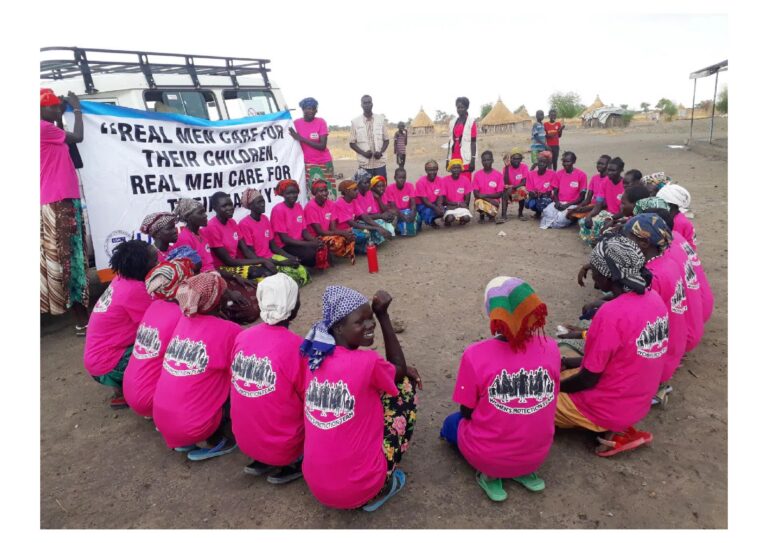
In Jonglei State, a conflict-prone region for decades in the east of South Sudan, residents have been denied peace and development courtesy of cattle rustling, revenge raids, abductions, and killings among the Murle, Dinka, and Nuer communities. Through Community Women Peace Protectors and with support from SSCC, the women of Jonglei are rewriting history and upsetting societal norms by confronting male-triggered insecurity incidents, which often take the form of cattle theft, abductions, and killings.