Successes and challenges of international involvement in local peacebuilding in Ukraine
Ukrainian correspondent Olga Dolinina explores the pitfalls and successes of international involvement in Ukraine’s peace efforts.

Ukrainian correspondent Olga Dolinina explores the pitfalls and successes of international involvement in Ukraine’s peace efforts.
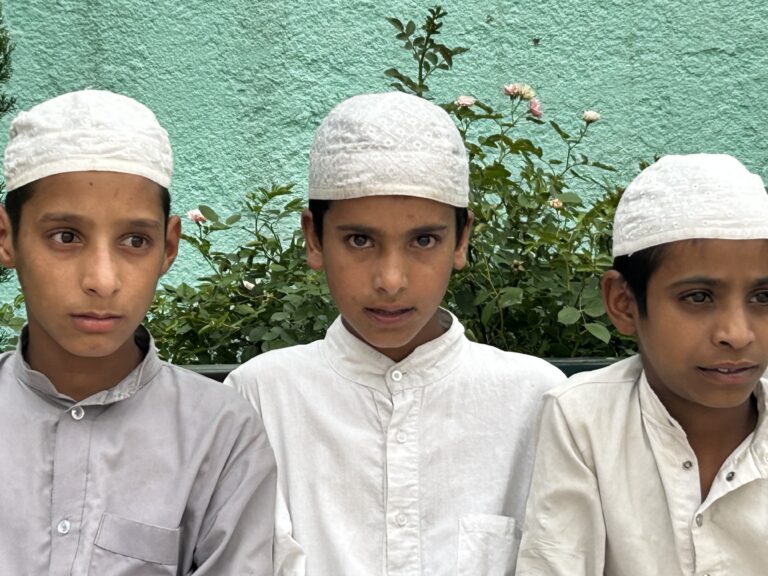
Almost three months after Operation Sindoor and the subsequent ceasefire between India and Pakistan, locals and social media reported that on 5 August there was firing from across the border, an allegation the army denied, stating there were no ceasefire violations. The incident once again stirred anxiety among the people, as tensions between the two countries continue to remain high. As such, the emotional and psychological trauma of the people has become a persistent reality. More so with the new war doctrine that any act of terrorism will be seen as an act of war. Here is an account of my visit to Poonch, the theatre of ‘war’, in May, soon after the ceasefire announcement.
The suspension of funding in January 2025 has ‘severely impacted’ provision of humanitarian services by Civil Society Organisations (CSOs) in Ukraine, with programmes relating to WASH (Water, Sanitation & Hygiene), food, health, and education programmes reduced by one-third on average. The humanitarian data initiative REACH reports that ‘key oblasts such as Khersonska, Kharkivska, and Odeska are most affected, putting vulnerable populations at increased risk’.
Exploring the inherent violence in global migration and conflict across a displaced person’s journey, this report seeks to highlight how peacebuilding and migration need to be more intrinsically linked in approaching global development and peace processes.
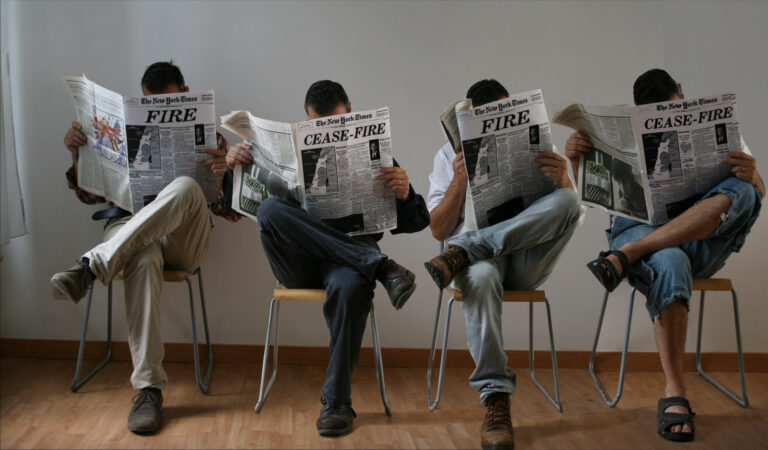
Since 27 November 2024, many Southern Lebanese see themselves trapped in an insecure labyrinth between peace and war. In theory Israel must stop their violence towards civilians as stated by the US sponsored ceasefire. However, people are still internally displaced, away from their devastated villages where some loved ones remain under the rubbles. They just want to recover their remains and bury them in dignity.
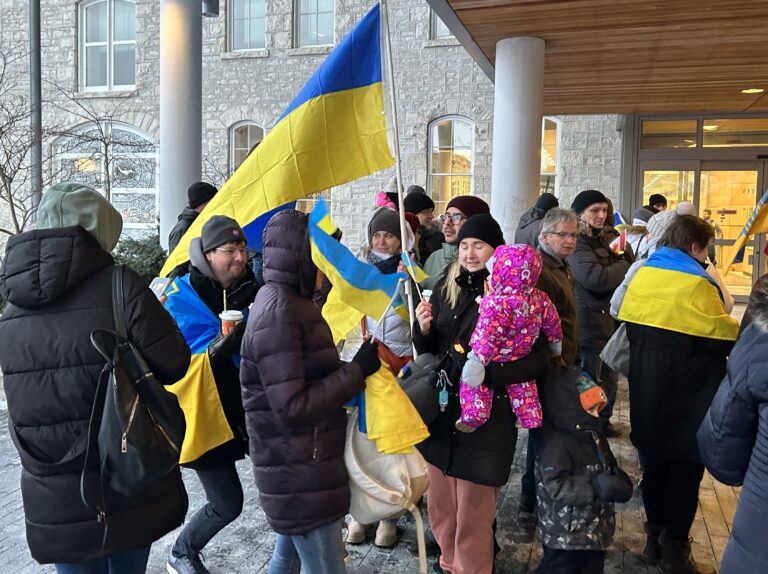
2025 marks the third anniversary of Russia’s war on Ukraine. As we enter the fourth year of the full-fledged war, pain, courage, resistance, hope are words which define the best nowadays feelings. The three past years have exhausted Ukrainian civilians and civil society, volunteers, and donors. Everyone hopes for the stop of the war, or at least to stop active military actions. Both international aid and donations to civil society organisations are diminishing month after month – due to fatigue, economic problems, an uncertain future, political decisions and an increasing level of corruption. But as a habit, Ukrainians express their anger towards the war through daily donations to support the army, even though the amount given has decreased.
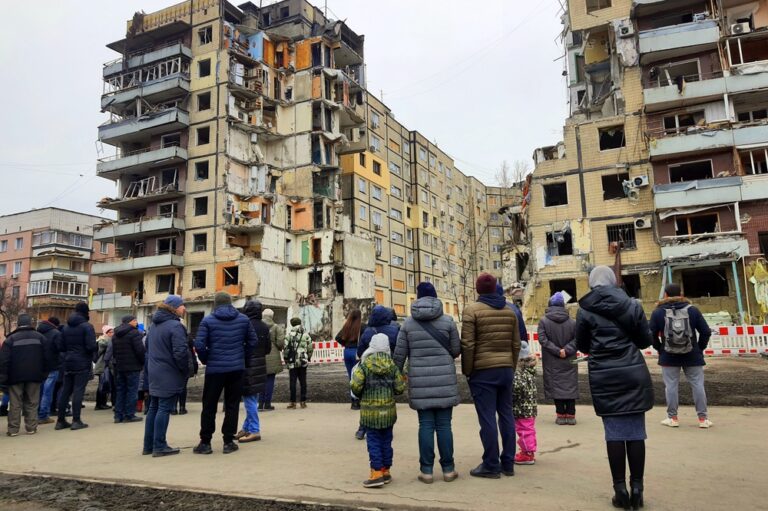
Economic initiatives can support war-affected people by fostering stability through job creation, reducing poverty and addressing inequalities. They encourage cooperation across communities, empower local populations, and provide sustainable livelihoods, thereby reducing conflict drivers and promoting social cohesion essential for long-term peace.
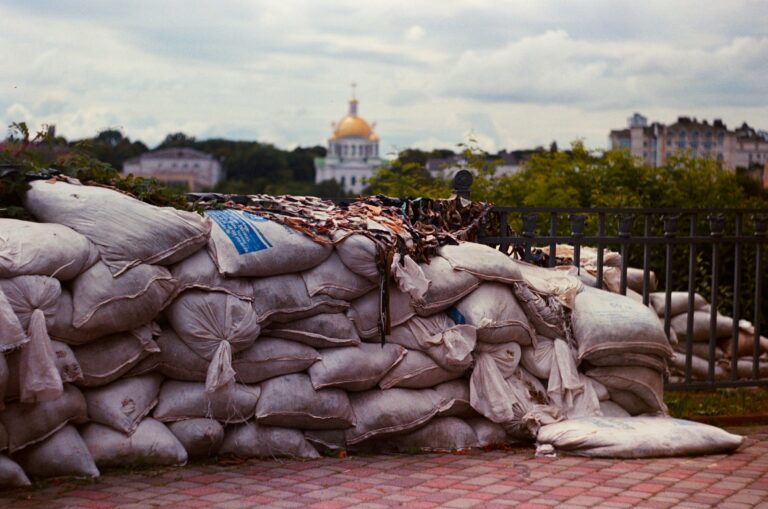
February 24 marks the second anniversary of Russia’s brutal full-scale invasion of Ukraine. Twenty-four months since Russia invaded Ukraine and created 1,500 km long active front line, forcing entire communities to be dependent on humanitarian assistance coming from local civil-society organizations, volunteers and international organizations.

Hkawn Maran Hpauwung set up Hparat Lund Pa Books, initially, to enable her two daughters to read stories and folktales in her native language, Kachin. While the project started on a personal note, it soon took on a broader meaning, where trilingual visual storybooks and cartoons are being used for peace.
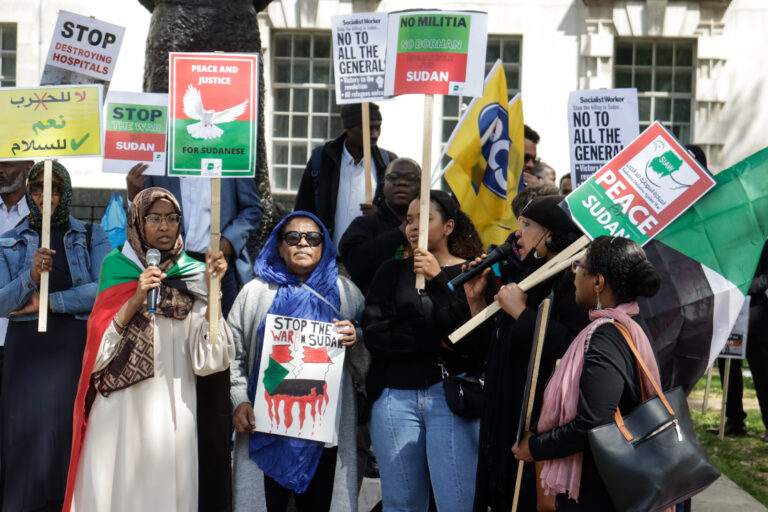
Sawssan Abou-Zahr shares the stories of two peacebuilders from Sudan who are striving to continue their work after being displaced by conflict.
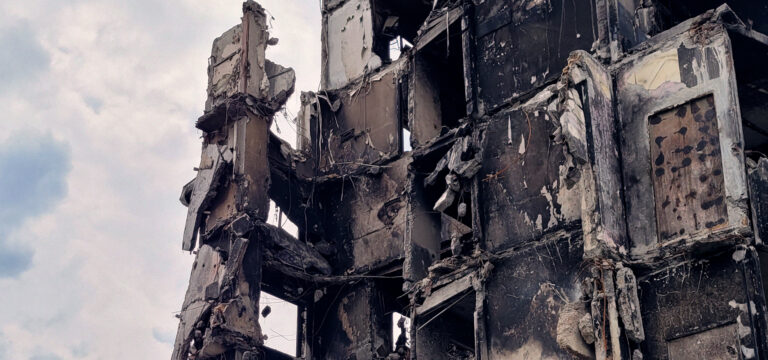
In light of the first anniversary of Russia’s invasion of Ukraine, Olga Konstantinova met with the individuals featured in Peace Insight’s Portraits from the War in Ukraine, to hear their reflections on the first year of war, the needs of conflict-affected Ukrainians and changes in humanitarian response.
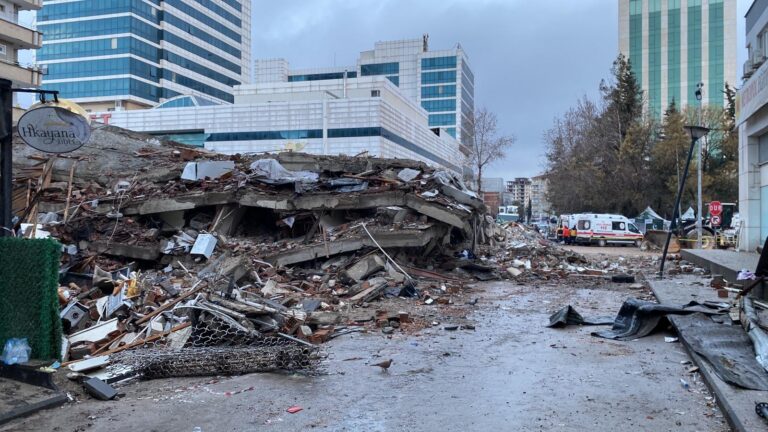
Sawssan Abou-Zahr describes the impact of the 6 February Türkiye/Syria earthquakes on the mental health and work of surviving local peacebuilders.