Build Back Better: Responding to the attack on development by offering better models of practice
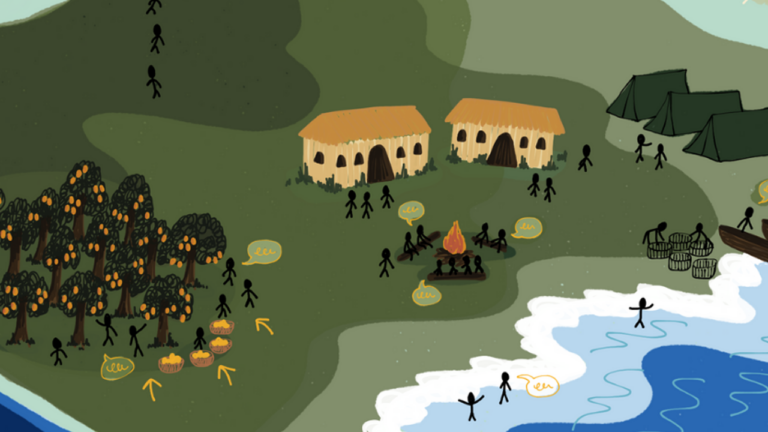
Can a decolonial MEL framework provide the basis for co-creation and co-learning?

Can a decolonial MEL framework provide the basis for co-creation and co-learning?
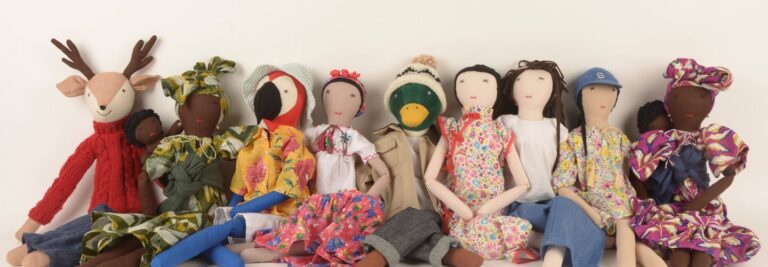
When Taliban regained full control of Afghanistan in 2021, millions of women saw their freedoms disappear almost overnight. Many fled the country in search of safety and opportunity. Silaiwali, a social enterprise based in New Delhi, has helped to provide Afghan women an opportunity to earn their livelihood, rebuild confidence and develop a community through craftsmanship.
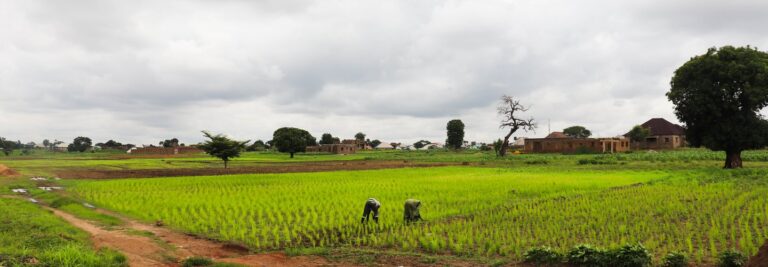
Founded in 1996 by Margret Mama, the Hope for a Village Child Foundation (HVCF), implemented an innovated peacebuilding model called the Community Peace Committee (CPC). Since 2019, it has helped build peace and security in Kaduna State, Nigeria.
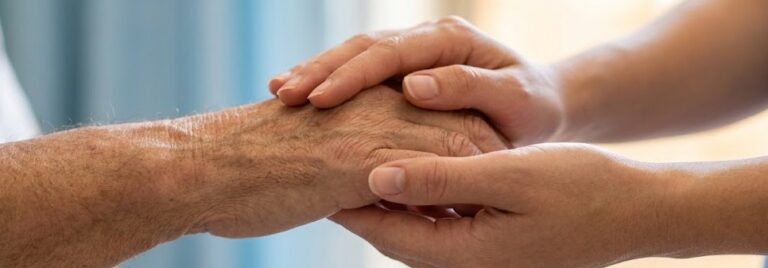
As a licensed pharmacist with two decades of professional experience navigating the complexities of Eastern Europe’s healthcare systems, I have observed a profound reality. Health insecurity directly drives deep social tension. When vulnerable families feel entirely abandoned by their local medical infrastructure, or when the fear of illness is compounded by poverty, the result expands far beyond a public health crisis. It creates a severe breakdown of social trust and civic alienation. Yet, in these exact spaces, a practical kind of peacebuilding is currently taking root. This grassroots movement is led by dedicated community health workers who bridge the gaps between marginalised citizens and the institutions built to serve them.
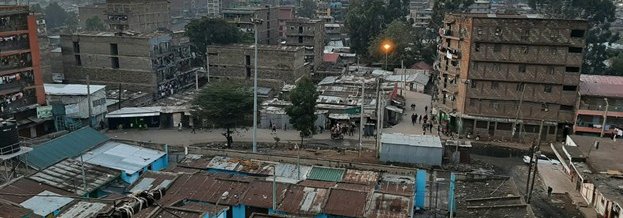
In the heart of Nairobi’s industrial area lies Mukuru, the second largest informal settlement in Kenya. Known for overcrowding, poverty, and inadequate infrastructure, Mukuru faces recurring threats like floods, fires, forced evictions, and violence. Amid these challenges, a grassroots movement has flourished, one that offers hope, justice, and a new path to peace.
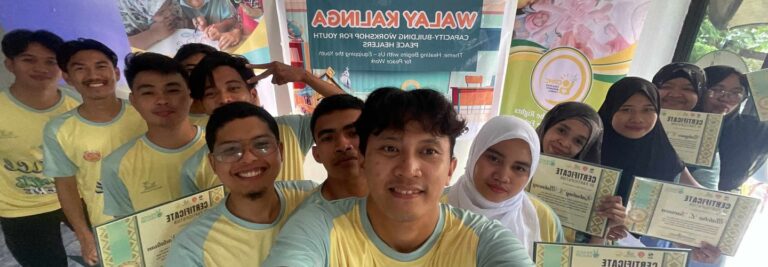
Young people in Maguindanao del Sur have created safe and culturally-grounded healing spaces. Here children and youth can begin to process fear, express emotions, and rebuild trust. So far, nearly 100 young people have benefited from it, transforming silence into shared stories and resilience.
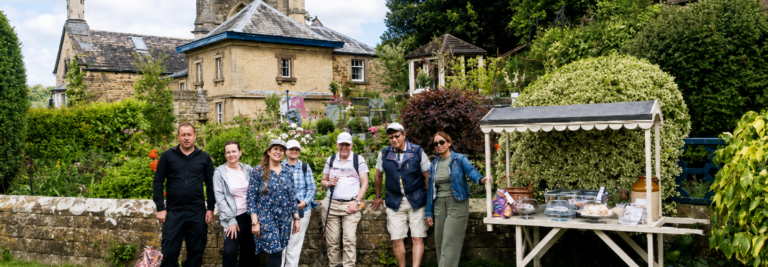
In a city shaped by migration and austerity, grassroots organisations are doing the quiet, unglamorous work of building sanctuary, one conversation at a time.
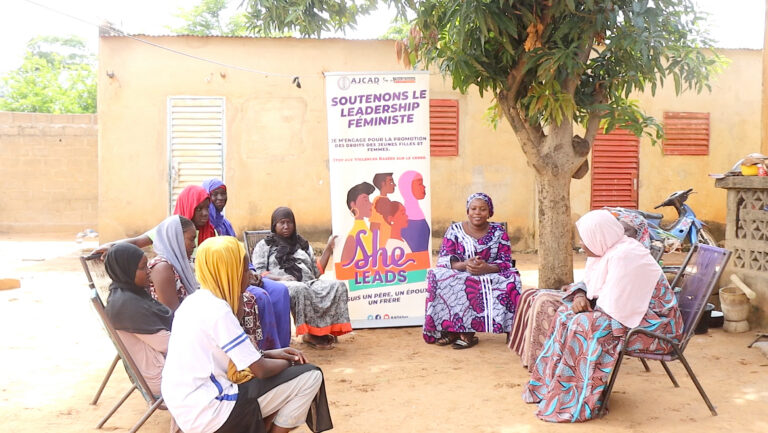
Des milliers de jeunes rejoignent AJCAD, animés par la conviction commune que la paix ne peut se construire uniquement dans les sphères politiques ou diplomatiques, mais bien au cœur même des communautés, là où les conflits sont vécus au quotidien.
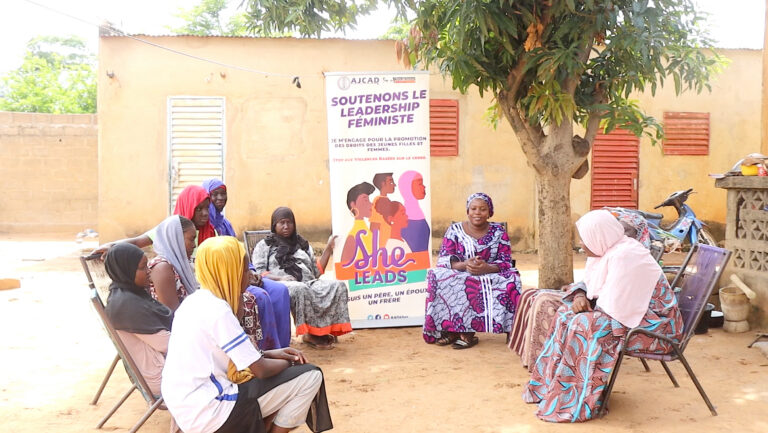
Thousands of young people are joining with AJCAD with the shared belief that peace cannot be built solely in the political or diplomatic spheres, but rather, at the heart of communities, where conflicts are experienced on a daily basis.
Local Correspondent Olga Dolinina highlights local efforts to support mental wellbeing in Ukraine, after 4 years of intensified war.

At a time of heightened polarisation in India, local peacebuilders are turning to innovative, community-rooted strategies to resist hate and further inclusion. One example of this is The Community Library Project (TCLP), a network of free libraries located across Delhi – in South Extension, Malviya Nagar, and Sikanderpur – that provide access to books and safe spaces for dialogue, critical thinking, and collective learning.The idea of the library started in 2014, when a group of college students wanted to create space for open conversations in a country where public opinion has become increasingly polarised. Set up in the premises of an NGO-run school with just a few books on politics and social science, the library was born. What began as a small act of protest has since grown into a full-fledged reading movement with over 14,000 active members. By bringing together people of all age groups, the library encourages open and respectful discussions thus helping build understanding across divides.“We don’t call ourselves a peacebuilding organization,” Mausam Kamari, Director at TCLP, says with a smile. “But when people read together, question together, and care for one another, peace is what naturally grows.”
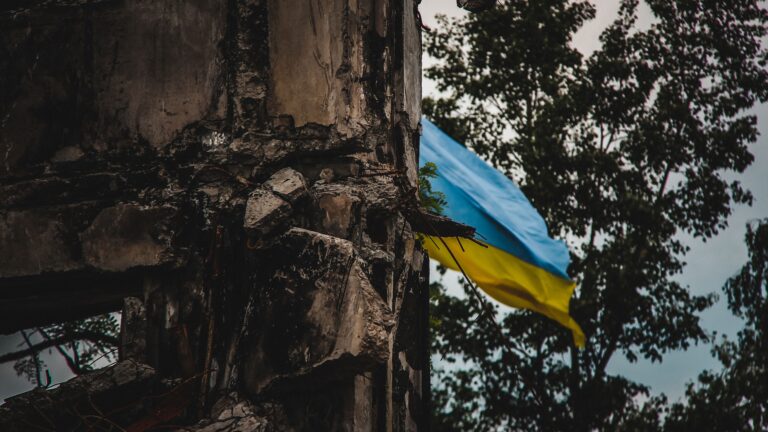
The suspension of funding in January 2025 has ‘severely impacted’ provision of humanitarian services by Civil Society Organisations (CSOs) in Ukraine, with programmes relating to WASH (Water, Sanitation & Hygiene), food, health, and education programmes reduced by one-third on average. The humanitarian data initiative REACH reports that ‘key oblasts such as Khersonska, Kharkivska, and Odeska are most affected, putting vulnerable populations at increased risk’.