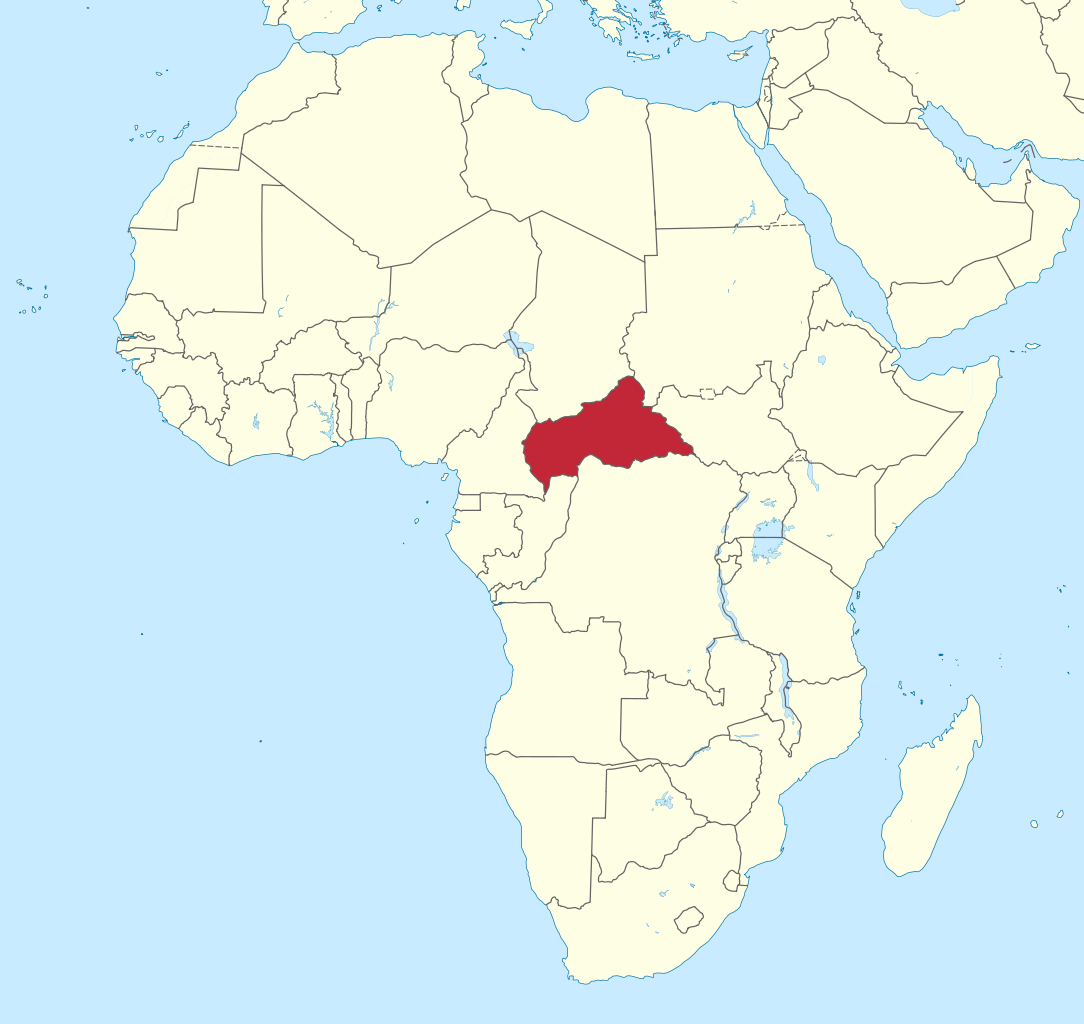
Context update: Resisting oblivion in the Central African Republic – civil society innovating under pressure
The Central African Republic (CAR) remains largely absent from global headlines, despite a persistent, multifaceted crisis that continues to undermine social cohesion and state legitimacy. As international attention fades, civil society actors are not retreating, they are adapting, resisting, and quietly reconfiguring their modes of engagement.
In recent months, civic space has contracted further. The Cybersecurity Law and new Media Law have expanded the state’s surveillance and censorship powers, without clear guarantees for freedom of expression or protection of personal data.
Simultaneously, a draft ‘foreign agents’ law emerged in parliamentary debate. It would classify any organisation receiving external funding and engaging in ‘political activity’ as a foreign agent, echoing authoritarian legal frameworks elsewhere. While not yet enacted, the draft alone has had a chilling effect. Many organisations are revising their communications, reconsidering partnerships, or lowering their public profile to avoid becoming targets.
These developments reflect a wider securitisation of civic life, in which independent voices are framed as threats to national stability or sovereignty. In this context, traditional spaces of consultation, such as local dialogue platforms or thematic coordination mechanisms, have lost credibility or are perceived as politically co-opted.
Yet beneath the surface, a quiet reinvention of civic engagement is taking place.
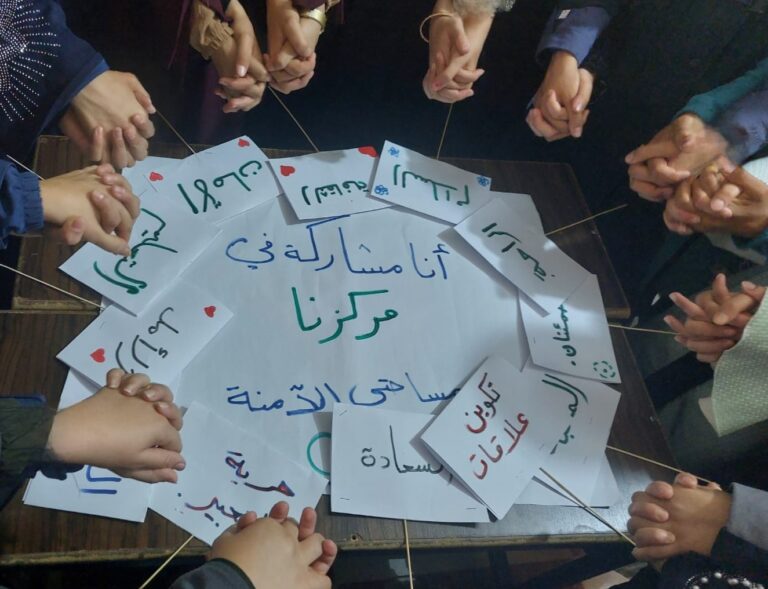
In cities like Bangui, Bouar, Bambari, and Mbaïki, local actors are developing hybrid interventions that combine civic, social, and economic dimensions. In some areas, youth associations and informal networks are creating safe spaces for dialogue, awareness-raising, and digital literacy, often integrated with skills training or psychosocial support. Women’s groups, religious leaders, and community-based organisations are building bridges between generations, repairing fragmented social ties through hyper-local mediation practices.
At the national level, trans-local coalitions are emerging, connecting civic actors across cities through encrypted messaging platforms, informal learning groups, and shared advocacy strategies. These are not formal NGOs or donor-funded programmes, but adaptive micro-networks rooted in social trust, creativity, and necessity.
This shift signals a deeper transformation: from institutional engagement to embedded, problem-driven organising. It reflects an understanding that civic agency in CAR is not dying: it is moving. It is moving away from centralised frameworks and into the fabric of daily life, carried on by actors who understand both the risks and the stakes.
To support civil society in CAR today is not simply to protect what exists, but to recognise what is emerging. It is to pay attention to alternative forms of leadership, informal governance, and locally rooted innovation. These dynamics are not marginal; they are foundational. They constitute a frontline of resilience and local peacebuilding, and they demand a shift in how we think about partnership, protection, and participation in fragile states.
Themes