Kirguistán: constructores de paz y la anti-ONG proyecto de ley
Inga Sikorskaya analiza cómo la sociedad civil kirguís movilizado para bloquear una ley polémica anti-ONG.
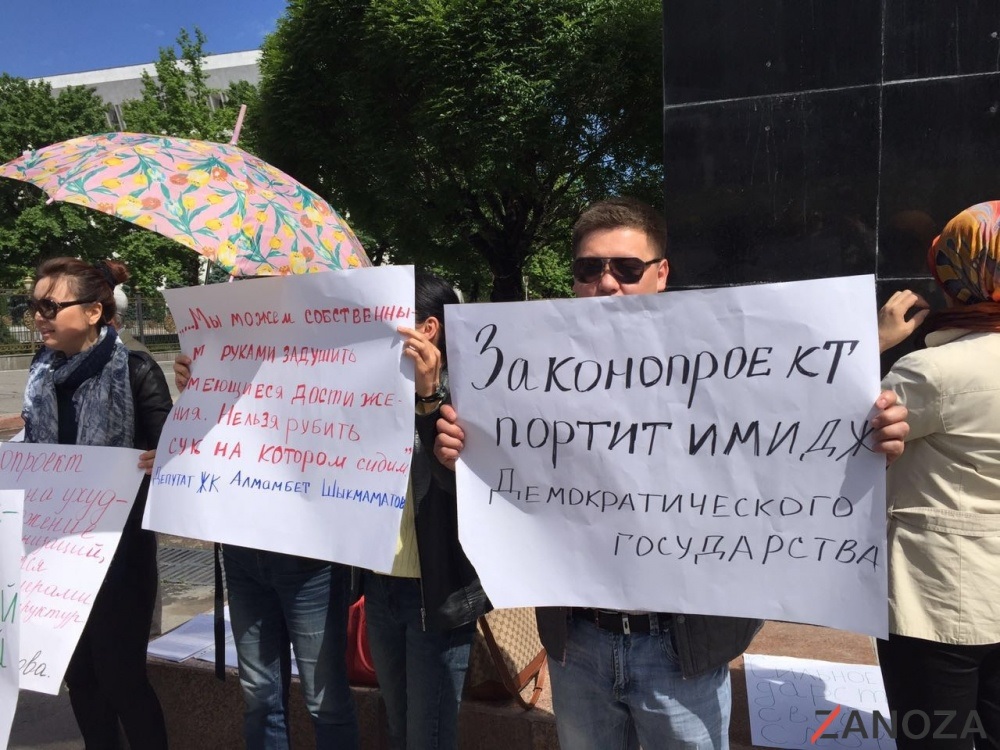
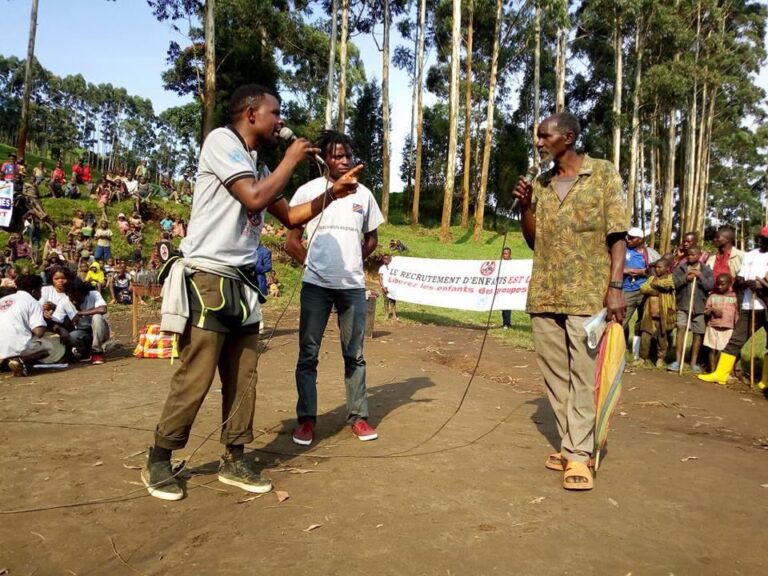
Civiles activistas en una protesta contra la ley de agente externo. Crédito de la imagen: Inga Sikorskaya
Kirguistán, como la única democracia en Asia Central, tiene una fuerte sociedad civil
en el 2012, la aprobación de una ley rusa refiriéndose a las organizaciones no gubernamentales financiadas desde el extranjero como ‘agentes externos’ fue propuesta por el partido político kirguís Ar Namys (dignidad), que está cerca de Moscú. Aunque el partido no ganó ningún asiento en las elecciones de 2015, su iniciativa legislativa seguía siendo del orden del día. Debates sobre la necesidad de enmiendas a la ley se intensificaron en 2014 en medio de la adhesión del país a la Unión Económica Euroasiática, supervisado por el Kremlin.
Según el proyecto de ley, organizaciones no gubernamentales en Kirguistán fueron ser referido como “agentes extranjeros” si recibió fondos de fuentes extranjeras o internacionales y estuvieron implicados en “actividades políticas”. Los legisladores interpretaron este último término como una actividad diseñada para afectar la política del gobierno o la opinión pública.
Los que apoyaron la actividad limitadora de las ONG acusan el sector civil de “desestabilizar el país y la organización de las protestas”. Además, la ley de derecho al estado a suspender la actividad de un “agente externo” durante seis meses, si la entidad no ha podido solicitar listado como una ONG que funciona como un agente externo.
Durante dos años, las enmiendas sugeridas ante fuerte oposición por parte del sector no gubernamental en Kirguistán, incluyendo no sólo las asociaciones civiles, pero también los sindicatos y los partidos políticos.
Muchos activistas de la paz fueron afectados con el posible impacto negativo en sus actividades; casi la totalidad de los proyectos centrados en la prevención de conflictos en el sur de Kirguistán después de la violencia étnica de 2010, no discriminación y protección de las minorías, son financiada por donantes extranjeros. Si el proyecto de ley había sido adoptada, podría suspenderse su aplicación, que tendría un impacto en la estabilidad y de interrelaciones en la sociedad. Activistas de derechos humanos temían también el proyecto de ley que se asemeja a la práctica rusa limitaría la actividad de las ONG, específicamente relacionados con trabajar en temas de gobernabilidad, transparencia y derechos humanos.
En mayo de 2015, un grupo compuesto por 28 organizaciones de derechos humanos de Europa, Estados UNIDOS y ex Estados soviéticos pidió a los legisladores de Kyrgyz para rechazar el proyecto de ley que plantea una “seria amenaza” a la sociedad civil en Kirguistán.
Consolidación de la paz en el ojo público: el papel de las organizaciones locales
Los activistas exigieron la retirada de un proyecto de ley que identifica a las organizaciones no gubernamentales como “agentes extranjeros”
Kirguistán, como la única democracia en Asia Central, tiene una sociedad civil fuerte, con más 15.000 ONGs registradas que representan el 2.2% del PIB nacional. Esto es igual a la de servicios de transporte de mercancías o la producción de alimentos y bebidas.
Grupos de la sociedad civil, liderados por organizaciones de la paz, organizó una campaña en el Parlamento para convencer a los legisladores que la nueva ley podría perjudicar la ejecución de programas sociales es necesarios. Estas organizaciones trabajan en un gran paquete de la educación, salud y difusión proyectos en Kirguistán que el estado no ha podido financiar. Los activistas exigieron la retirada del proyecto de ley que identifican las organizaciones no gubernamentales como “agentes extranjeros” como funcionó contrariamente a normas democráticas y el derecho constitucional de los ciudadanos a la libertad de asociación.
Cada mes el equipo de Centro Internacional de “Interbilim” y los derechos humanos movimiento Bir Duino Kirguistán reunieron firmas contra la ley discriminatoria y enviado las peticiones al Presidente y al Parlamento, preparando también hace un llamamiento a los legisladores y del Defensor del pueblo piden la protección de las organizaciones no gubernamentales contra la discriminación. Más de dos años, se organizaron acciones de protesta más de 10 y una campaña de sensibilización importante en los medios y redes sociales sobre el papel de las ONG en la vida social del país.
En febrero de 2016, Bir Duino activistas anunciaron que iban a iniciar una demanda en contra de los redactores, los tres legisladores en el Parlamento anterior. Activistas de derechos humanos dijeron que estaban listos para impugnar la legislación inconstitucional durante las audiencias públicas con la participación de los parlamentarios, donde los representantes de las organizaciones no gubernamentales llegaban con un lema ¡no somos agentes extranjeros, somos patriotas! En mayo de 2016, Bir Duino realizó un foro especial en Bishkek en apoyo de las asociaciones, con la participación de representantes de organizaciones no gubernamentales, para discutir los próximos pasos para bloquear el proyecto de ley.
Tales medidas activas tomadas por la sociedad civil fuertemente afectan opiniones de parlamentarios. En el último año, legisladores modificó el proyecto de ley estudiaron alternativas y en consecuencia, eliminar la frase “agente externo”. Sin esta frase la iniciativa perdió su punto y la mayoría de habla de los legisladores contra las enmiendas.
La experiencia de grupos civiles de Kirguistán en la sensibilización e incidencia demuestra la importancia y el poder de una sociedad civil activa para otros países, destacando su papel en la solución de problemas en el nivel más alto. Es lamentable que ni Rusia ni Estados de Asia Central vecinos parecen capaces de lograr un cambio positivo a través de dichas campañas.
Locations
Themes