Kyrgyzstan: peacebuilders and the anti-NGO Bill
Inga Sikorskaya discusses how Kyrgyz civil society mobilised to block a controversial anti-NGO law.
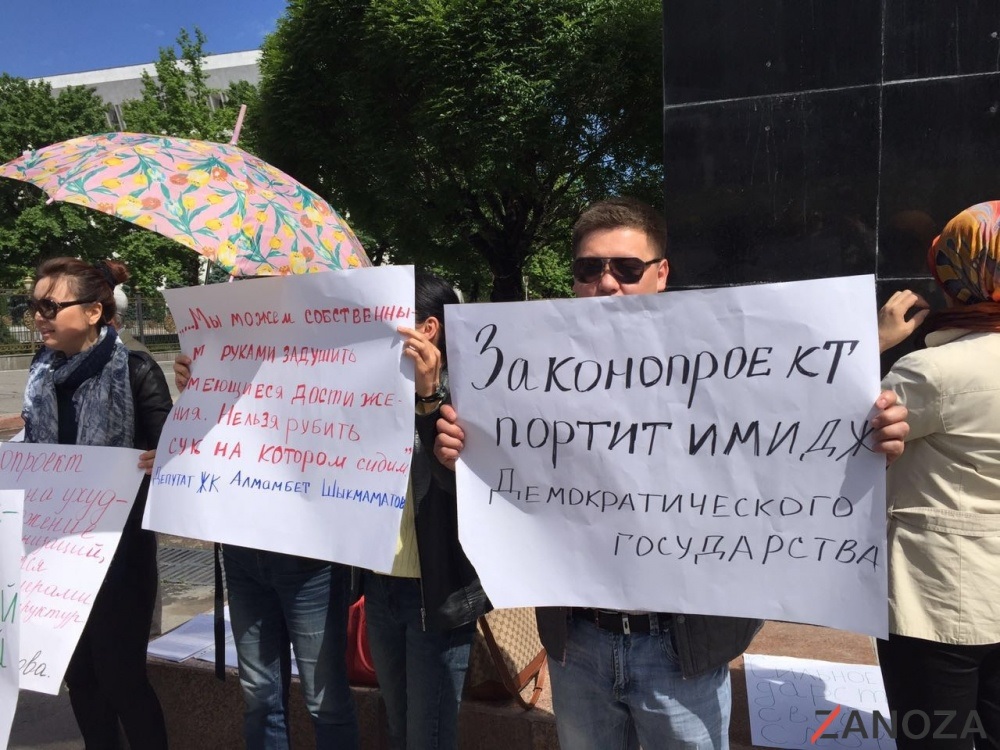
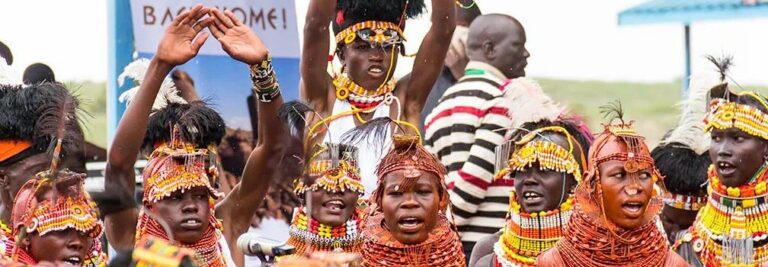
Civil activists at a protest against the foreign agent law. Image credit: Inga Sikorskaya
Kyrgyzstan, as the only democracy in Central Asia, has a strong civil society
In 2012, the adoption of a Russian law referring to NGOs funded from abroad as ‘foreign agents’ was proposed by Kyrgyz political party Ar Namys (‘Dignity’), which is close to Moscow. Although the party did not win any seats in the 2015 elections, its legislative initiative remained on the agenda. Debates about the need for amendments to the law intensified in 2014 amid Kyrgyzstan’s accession to the Eurasian Economic Union, supervised by the Kremlin.
According to the draft legislation, non-governmental organisations in Kyrgyzstan were to be referred to as “foreign agents” if they received funds from foreign or international sources and were involved in “political activity”. Lawmakers interpreted this last term as an activity designed to affect the government policy or public opinion.
Those who supported limiting NGO activity accused the civilian sector of “destabilising the country and organising protests”. Moreover, the bill entitled the state to suspend the activity of a “foreign agent” for six months if the entity failed to apply for listing as an NGO functioning as a foreign agent.
For two years, the suggested amendments faced strong opposition by the non-governmental sector in Kyrgyzstan, including not only civil associations, but also trade unions and political parties.
Many peacebuilding activists were concerned with possible negative impact on their activities; almost all of the projects focusing on conflict prevention in southern Kyrgyzstan after the ethnic violence of 2010, non-discrimination, and protection of minorities, are funded by foreign donors. If the draft legislation had been adopted, their implementation could be suspended, which would have an impact on stability and interrelations in the society. Human rights activists also feared the draft law resembling Russian practice would constrain NGO activity, specifically related to work on governance, transparency and human rights issues.
In May 2015, a group consisting of 28 human rights organisations from Europe, the USA and former Soviet states called on Kyrgyz legislators to reject the bill as it posed a “serious threat” to civil society in Kyrgyzstan.
Peacebuilding in the public eye: the role of local organisations
Activists demanded the withdrawal of a draft law that identified NGOs as “foreign agents”
Kyrgyzstan, as the only democracy in Central Asia, has a strong civil society, with over 15,000 registered NGOs which represent 2.2% of national GDP. This is the same as that of freight transportation services or food and beverage production.
Civil society groups, led by peacebuilding organisations, held a campaign in parliament to convince the legislators that the new law would harm the implementation of necessary social programmes. These organisations work on a large package of educational, health, and outreach projects in Kyrgyzstan that the state has failed to fund. The activists demanded the withdrawal of the draft law that identified NGOs as “foreign agents” as it ran contrary to democratic standards and the constitutional right of citizens to freedom of association.
Every month the International Centre “Interbilim” team and human rights movement Bir Duino Kyrgyzstan gathered signatures against the discriminatory law and submitted these petitions to the president and parliament, while also preparing appeals to legislators and the Ombudsman ask for the protection of NGOs from discrimination. Over two years, they organised more than 10 protest actions and a major awareness campaign in the media and social networks about the role of NGOs in the social life of the country.
In February 2016, Bir Duino activists announced that they were going to initiate a lawsuit against the drafters, three legislators in the previous parliament. Human rights activists said they were ready to contest the unconstitutional legislation during public hearings with the participation of parliamentarians, where the representatives of NGOs arrived with a slogan “We are not foreign agents, we are patriots!” In May 2016, Bir Duino held a special forum in Bishkek in support of the associations, with involvement of representatives of NGOs, to discuss their next steps to block the draft law.
Such active measures taken by civil society strongly affected parliamentarians’ opinions. In the last year, legislators amended the draft law, studied alternative options, and as a result, removed the phrase “foreign agent”. Without this phrase the initiative lost its point and the majority of legislators spoke against the amendments.
The experience of Kyrgyzstan’s civil groups in public outreach and advocacy shows the importance and power of an active civil society for other countries, emphasizing its role in solving issues at the highest level. It is unfortunate that neither Russia nor neighbouring Central Asian states appear capable of achieving positive change through such campaigns.
Locations
Themes